 Anshika Jain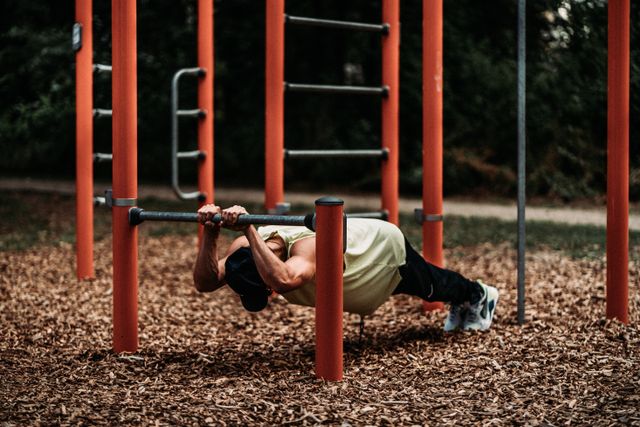
In recent years, outdoor fitness has become an increasingly popular lifestyle choice among young people. Instead of depending entirely on traditional gyms, many individuals are exploring parks, public walking spaces, running tracks, open-air workout areas, cycling routes, and outdoor sports facilities. This shift reflects changing attitudes toward physical activity, mental well-being, social interaction, and everyday lifestyle habits.
Young adults are increasingly looking for fitness routines that offer more than physical transformation. They want activities that support emotional health, provide flexibility, reduce stress, and fit naturally into their daily schedules. Outdoor fitness provides an opportunity to exercise while spending time in natural surroundings, connecting with others, and moving away from enclosed indoor environments.
The growth of digital fitness platforms, social media communities, wearable technology, and wellness awareness has further encouraged this change. Outdoor workouts can now be planned, tracked, shared, and personalised through smartphones and fitness applications. As a result, exercising outside is no longer viewed only as a traditional activity such as walking or running. It has developed into a modern fitness lifestyle that combines movement, technology, social participation, and personal well-being.
Understanding the Growing Interest in Outdoor Fitness
Outdoor fitness refers to physical activities performed in open-air environments rather than exclusively inside gyms or fitness studios. These activities can include running, walking, cycling, hiking, yoga, body weight training, outdoor sports, and group exercise sessions. The intensity and format may vary depending on an individual’s fitness level, interests, and surroundings.
For many young people, outdoor exercise offers a refreshing alternative to repetitive indoor routines. A gym can provide structured equipment and professional guidance, but outdoor spaces offer greater variety in surroundings and movement. A person can walk through a park, perform stretching exercises in an open area, or join a running group without requiring a complicated setup.
The increasing popularity of outdoor fitness is also connected to the changing definition of health. Fitness is no longer understood only through body shape, muscle development, or athletic performance. Many people now consider energy levels, mental relaxation, mobility, social connection, and consistency as important parts of a healthy lifestyle.
This broader perspective has encouraged young people to choose activities that they genuinely enjoy and can continue over time.
The Desire to Escape Indoor and Screen-Based Routines
Modern lifestyles often involve extended periods of sitting, studying, working, commuting, and using digital devices. Young people may spend several hours each day looking at laptops, smartphones, and other screens. Although technology supports education, employment, entertainment, and communication, excessive sedentary time can reduce opportunities for physical movement.
Outdoor fitness provides a way to create distance from screen-based routines. Going for a walk, cycling through a neighbourhood, or exercising in a public park allows people to change their surroundings and focus on physical activity. Even a short outdoor session can introduce movement into a day that might otherwise involve prolonged sitting.
The attraction is not necessarily a complete rejection of technology. Many young people use fitness applications, smartwatches, and online workout videos to organise their outdoor routines. The difference is that technology becomes a support tool rather than the primary environment in which the activity takes place.
This balance between digital convenience and outdoor movement is becoming an important part of modern wellness habits.
Outdoor Fitness and Mental Well-Being
Mental well-being is one of the major reasons young people are showing interest in outdoor exercise. Academic pressure, professional competition, financial concerns, social expectations, and constant digital communication can contribute to feelings of stress and exhaustion. Physical activity is often used as one part of a broader strategy for managing these challenges.
Exercising outdoors may create a sense of change and mental space. Natural surroundings, fresh air, daylight, and a temporary break from indoor responsibilities can make physical activity feel more restorative. Walking in a green space or practising yoga outside may provide an opportunity to slow down and pay attention to the immediate environment.
Outdoor exercise should not be presented as a replacement for professional mental healthcare when someone is experiencing significant psychological difficulties. However, regular physical activity can be a useful component of a balanced lifestyle, particularly when combined with sufficient sleep, social support, and appropriate care.
For young people, the emotional experience of exercise can be as important as its physical benefits. An activity that feels enjoyable and manageable may be easier to maintain than a routine based only on appearance-related goals.
The Appeal of Affordable Fitness
Cost is another factor influencing fitness decisions. Gym memberships, personal training sessions, specialised equipment, and studio classes may be difficult to afford for students, fresh graduates, and young professionals managing limited budgets.
Outdoor fitness can offer a comparatively accessible starting point. Walking, jogging, hiking, and many body weight exercises require little or no specialised equipment. Public parks and open spaces may provide opportunities for movement without a recurring membership fee, although access and facilities differ across locations.
Affordability does not mean that all outdoor fitness activities are free. Cycling may require a bicycle, hiking can involve transportation costs, and organized classes may charge participation fees. Nevertheless, outdoor exercise allows people to begin with simple activities and gradually invest in equipment or coaching if needed.
This flexibility makes outdoor fitness appealing to people who want to remain active without committing to expensive fitness arrangements. It also encourages the idea that physical activity can be integrated into daily life rather than treated as a luxury service.
Social Media and the Outdoor Fitness Community
Social media has played a significant role in shaping how young people discover and participate in fitness activities. Platforms such as Instagram, YouTube, and other social networks allow users to share running routes, hiking experiences, workout routines, cycling journeys, and outdoor challenges.
Online communities can motivate individuals by making exercise feel more social and visible. A person who sees friends participating in a weekend run or a local fitness challenge may feel encouraged to try a similar activity. Digital communities can also help beginners find guidance, learn basic techniques, and discover local groups.
However, social media can create unrealistic expectations when edited images, extreme workouts, or highly disciplined routines are presented as normal. Young people should evaluate fitness content carefully and avoid comparing their progress with people whose circumstances, experience, and goals may be different.
The most useful role of social media is to provide information, encouragement, and community while allowing individuals to follow realistic and personally appropriate fitness routines.
Outdoor Fitness as a Social Experience
Traditional exercise is sometimes viewed as an individual activity, but outdoor fitness can create opportunities for social connection. Running clubs, cycling groups, outdoor yoga sessions, hiking communities, and sports meetups allow participants to exercise with others.
Group activities can improve motivation because people may feel accountable to their peers. Meeting others with similar interests can also make fitness more enjoyable and reduce the sense of isolation that some people experience when exercising alone.
For young adults who have moved to new cities for education or employment, outdoor fitness groups may provide a way to build friendships and become familiar with their surroundings. Shared activities can create social connections without requiring formal networking events.
At the same time, group participation should remain inclusive. People have different fitness levels, schedules, physical abilities, and comfort zones. Supportive communities should encourage progress without pressuring participants to compete or exceed their limits.
The Influence of Flexible Lifestyle Patterns
Young people often manage changing schedules involving college classes, internships, employment, freelance work, commuting, and family responsibilities. Fixed gym timings or long travel distances may make regular exercise difficult.
Outdoor fitness can be adapted to different schedules. A person may walk before attending college, run after work, cycle during the weekend, or perform a short body weight workout in a nearby park. This flexibility allows individuals to choose activities based on available time and energy.
Outdoor exercise can also be combined with everyday transportation and recreation. Walking part of a commute, using a bicycle for short trips, or taking an evening walk with friends can increase movement without requiring a separate long workout session.
Consistency is often easier when fitness fits into a person’s existing routine. Instead of treating exercise as an additional obligation, young people may find it more sustainable when movement becomes part of their daily lifestyle.
The Role of Wearable Technology
Technology has changed the way outdoor fitness is planned and measured. Smartwatches, fitness trackers, and smartphone applications can record steps, distance, pace, heart rate, activity duration, and other measurements. These tools may help users understand their habits and set practical goals.
For runners and cyclists, GPS-based applications can track routes and provide information about speed and distance. Hiking applications may help users explore trails, while fitness platforms can offer outdoor workout plans and guided sessions.
Although tracking can support motivation, measurements should not become a source of unnecessary pressure. Daily activity levels naturally change due to weather, workload, sleep, health, and personal commitments. A lower step count on one day does not automatically indicate failure.
Young people can use technology as a guide while paying attention to how their bodies feel. Rest, recovery, and enjoyment remain important even when digital devices encourage users to achieve specific targets.
Outdoor Fitness and Personalised Exercise
One reason outdoor fitness appeals to young people is that it can be adapted to different interests and abilities. Not everyone enjoys lifting weights or participating in competitive sports. Outdoor environments provide several options for people with different preferences.
A beginner may start with short walks and gradually increase duration. Someone interested in strength development may practise body weight squats, lunges, push-ups, and mobility exercises in a suitable space. Others may prefer cycling, swimming where safe and permitted, hiking, or recreational games.
Personalisation also involves choosing the appropriate intensity. Individuals should consider their experience, physical condition, environment, and safety requirements. Beginners may benefit from professional guidance, particularly when learning unfamiliar movements or returning to exercise after a long break.
The ability to choose from multiple activities can make fitness more engaging. Instead of following one rigid programme, young people can explore different forms of movement and identify what they enjoy most.
The Connection Between Nature and Physical Activity
Outdoor fitness allows exercise to take place in natural or open environments. Parks, gardens, trails, beaches, and public recreational spaces can provide changing scenery and sensory experiences that differ from indoor workout settings.
Exposure to natural surroundings is often associated with relaxation and a stronger awareness of the environment. Green spaces may encourage people to spend more time walking or moving because the activity also becomes an opportunity to explore and unwind.
The experience depends on location, weather, air quality, noise, crowding, and accessibility. Not every outdoor environment is equally comfortable or safe. Urban residents may have limited access to green spaces, while extreme temperatures or pollution can affect the suitability of outdoor exercise.
For this reason, outdoor fitness should be planned according to local conditions. Choosing appropriate timings, carrying water, wearing suitable clothing, and checking environmental conditions can make the experience more comfortable.
Outdoor Fitness and Sustainable Lifestyle Choices
Some outdoor activities can also support environmentally conscious lifestyles. Walking and cycling, for example, may reduce dependence on motorised transportation for short journeys. Choosing nearby parks or local exercise spaces can reduce travel requirements.
However, outdoor fitness is not automatically sustainable. Travel to distant locations, disposable plastic products, excessive equipment consumption, and improper waste disposal can increase environmental impact.
Young people interested in sustainable fitness can consider practical choices such as carrying reusable water bottles, respecting public spaces, avoiding littering, and using durable equipment. Cycling or walking for suitable short-distance travel can also combine physical activity with everyday mobility.
The connection between fitness and sustainability encourages people to consider how their lifestyle choices affect both personal health and the surrounding environment.
Challenges and Safety Considerations
Despite its advantages, outdoor fitness also involves challenges. Weather conditions, traffic, uneven surfaces, limited lighting, air pollution, and personal security can affect the safety of outdoor exercise.
Young people should select suitable locations and avoid environments that create unnecessary risks. Running or cycling near busy roads requires attention to traffic and visibility. Exercising in isolated areas may be less appropriate when safety support is limited. Outdoor activities during extreme heat or poor air quality may require changes in timing, intensity, or location.
Hydration and sun protection are important during hot weather. Proper footwear can reduce discomfort and help improve stability on different surfaces. Beginners should increase activity gradually rather than attempting intense workouts immediately.
Outdoor fitness should be accessible and enjoyable, not driven by pressure to exercise despite pain, exhaustion, or unsafe conditions. Listening to the body and taking rest when necessary supports more responsible participation.
Why Outdoor Fitness Is Becoming a Long-Term Lifestyle
The growing interest in outdoor fitness may represent more than a temporary trend. Young people are increasingly interested in lifestyles that combine physical activity with mental well-being, affordability, flexibility, and social connection.
Outdoor exercise can adapt to different stages of life. A student may walk or run in a local park, while a working professional may cycle on weekends or join a community fitness group. As schedules and preferences change, individuals can modify their activities without abandoning movement entirely.
The long-term value of outdoor fitness depends on consistency and suitability. People are more likely to continue an activity when it fits their needs, feels enjoyable, and does not create excessive financial or time-related pressure.
This approach shifts the focus from short-term transformation to sustainable well-being. Instead of exercising only for a specific event or appearance-related objective, individuals can view movement as a regular part of maintaining physical and emotional health.
The Future of Outdoor Fitness
The future of outdoor fitness is likely to involve a combination of community participation, digital tools, flexible programmes, and improved public facilities. Fitness platforms may continue to provide personalised plans, location-based activities, and virtual group challenges.
Cities and institutions may also explore ways to make outdoor movement more accessible through walking paths, cycling infrastructure, public exercise equipment, and recreational spaces. The availability of safe and inclusive environments can influence whether people feel comfortable participating in outdoor activities.
At the same time, the fitness industry may continue developing products and services designed for outdoor use. These may include wearable devices, portable exercise equipment, guided programmes, and community-based fitness experiences.
Technology can support this development, but the foundation of outdoor fitness remains simple: regular movement, suitable surroundings, realistic goals, and an approach that respects individual needs.
Conclusion
More young people are choosing outdoor fitness because it offers a flexible and accessible way to support physical activity, mental well-being, social connection, and healthier lifestyles. Outdoor exercise provides an alternative to highly structured indoor routines while allowing individuals to enjoy natural surroundings and explore different forms of movement.
Affordability, social media communities, wearable technology, changing work patterns, and growing wellness awareness have contributed to its popularity. However, outdoor fitness should be approached thoughtfully, with attention to safety, weather, personal ability, and recovery.
The growing interest in outdoor exercise reflects a broader shift in how young people understand health. Fitness is increasingly connected to everyday enjoyment, emotional balance, social experiences, and sustainable habits. By choosing activities that fit their interests and circumstances, young people can develop a healthier relationship with movement and make physical activity a meaningful part of their daily lives.