 Anshika Jain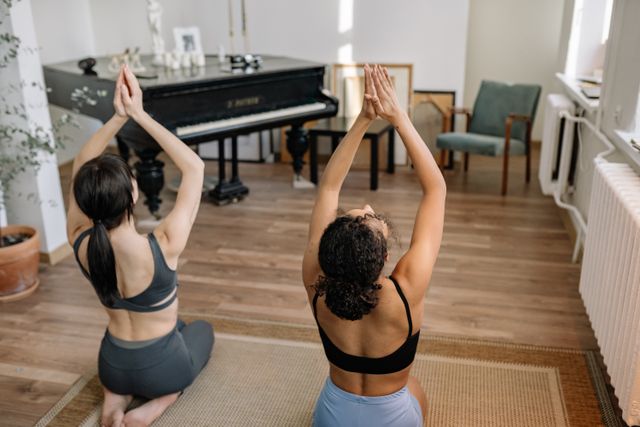
Modern lifestyles are changing the way people think about fitness. Long working hours, extended screen time, busy schedules, commuting, and increasingly sedentary routines have created a growing need for exercise that can fit comfortably into everyday life. While high-intensity training continues to attract people looking for challenging workouts, another approach is gaining attention: low-impact fitness.
Low-impact workouts focus on controlled movement while placing less stress on the joints. Walking, cycling, swimming, yoga, Pilates, mobility exercises, and certain forms of strength training can all be adapted into low-impact routines. These activities can provide opportunities to improve movement, strength, flexibility, balance, and cardiovascular fitness without requiring constant jumping, sprinting, or high-impact movements.
The rise of low-impact workouts reflects a broader change in fitness culture. People are increasingly interested in sustainable exercise routines that can become part of their lifestyle rather than short-term programmes followed only for a specific goal. For students, professionals, older adults, beginners, and people returning to exercise, the ability to adjust intensity can make physical activity more approachable.
What Are Low-Impact Workouts?
Low-impact workouts are forms of physical activity designed to minimise repetitive or forceful impact on the joints. Unlike exercises that involve frequent jumping, running, or rapid changes in direction, low-impact movements generally keep at least one foot or another part of the body in contact with the ground or support surface.
Walking is one of the simplest examples. Other activities include swimming, stationary cycling, elliptical training, Pilates, yoga, rowing, and controlled resistance exercises. However, low-impact does not necessarily mean low-intensity. A cycling session, swimming workout, or carefully structured strength routine can still provide a significant physical challenge.
The important distinction is the type of movement rather than whether the workout feels easy. A low-impact routine can be adapted to different fitness levels by changing duration, resistance, pace, repetitions, or recovery periods.
This flexibility is one reason low-impact fitness is becoming increasingly relevant to modern lifestyles.
Why Modern Lifestyles Need Different Fitness Approaches
Many people spend substantial portions of their day sitting at desks, attending online meetings, studying, travelling, or using digital devices. Although technology has made work and education more convenient, it has also changed everyday movement patterns.
A person may spend several hours sitting at a computer and then struggle to find time for a traditional one-hour workout. In this environment, exercise needs to be practical enough to fit around existing responsibilities.
Low-impact workouts can provide a flexible solution. A person may take a brisk walk during a lunch break, perform mobility exercises between work sessions, cycle in the evening, or practise yoga before bed. These activities do not always require extensive preparation or specialised facilities.
The goal is not necessarily to eliminate more intense exercise. Instead, low-impact movement gives people another option for staying active when their schedule, energy level, or physical needs make high-impact training less suitable.
The Shift from Extreme Fitness to Sustainable Fitness
Fitness culture has often highlighted demanding workouts, rapid transformations, and intense training challenges. While high-intensity exercise can be appropriate for many people, the idea that every workout needs to be exhausting has gradually been questioned.
A sustainable fitness routine is one that an individual can maintain consistently. If a workout is so demanding that a person avoids exercising for several days afterward, its long-term usefulness may be limited for that individual.
Low-impact workouts encourage a different approach. They can focus on regular movement, gradual progression, proper technique, mobility, and recovery. This can help people develop a more balanced relationship with exercise.
Modern fitness is increasingly about finding an appropriate level of activity rather than constantly pushing physical limits. For some people, that means combining challenging sessions with lower-impact activities throughout the week.
Walking as a Major Low-Impact Fitness Activity
Walking remains one of the most accessible forms of low-impact exercise. It requires minimal equipment and can often be incorporated into everyday routines.
People can walk outdoors, use a treadmill, walk around a workplace, explore a neighbourhood, or use walking as part of their commute. The pace and duration can be adjusted according to fitness level.
Walking can also become more engaging when combined with other lifestyle activities. People may listen to educational content, talk with friends, explore local areas, or simply use the time to take a break from screens.
For individuals who are new to exercise, gradually increasing walking time can be a practical way to introduce more movement into the day. Those who are already active can increase pace, distance, or terrain difficulty to make walks more challenging.
Yoga and the Growth of Mindful Movement
Yoga has become an important part of modern low-impact fitness because it combines physical movement with balance, flexibility, breathing, and body awareness. Different forms of yoga offer different levels of intensity, making it possible for people to choose routines that suit their preferences and abilities.
For individuals who spend much of the day sitting, gentle stretching and mobility-focused movements may feel particularly useful. Yoga can also provide an opportunity to step away from digital distractions and focus on controlled movement.
The popularity of yoga reflects a broader shift toward fitness that addresses more than physical performance. Many people now view exercise as part of a wider wellness routine that includes relaxation, sleep, mindfulness, and stress management.
However, yoga should still be practised with appropriate technique. Some positions can be physically demanding, and beginners may benefit from qualified instruction when learning unfamiliar movements.
Pilates and Controlled Strength
Pilates has also gained attention as a low-impact form of exercise. Its emphasis on controlled movement, posture, core engagement, stability, and body awareness makes it suitable for a wide range of fitness routines.
Mat-based Pilates can often be performed at home with limited equipment, while studio-based programmes may use specialised equipment to provide resistance and support.
The controlled nature of Pilates makes it different from fast-paced workout formats. Instead of focusing primarily on speed, participants often concentrate on movement quality and technique.
This approach fits well with modern fitness preferences that emphasise functional movement and body awareness. People who spend long periods sitting may also appreciate exercises that encourage attention to posture and controlled mobility.
Low-Impact Cardio Is Becoming More Accessible
Cardiovascular exercise does not have to involve running or jumping. Cycling, swimming, rowing, brisk walking, and elliptical training can provide cardiovascular activity while reducing repetitive impact compared with running.
Stationary bikes and home workout platforms have also made indoor low-impact cardio more convenient. People can exercise at home while following guided classes or personalised programmes.
This flexibility can be particularly useful for people with unpredictable schedules. Instead of travelling to a gym for a specific class, they can choose a short session that fits into the available time.
Outdoor cycling and walking also combine physical activity with a change of environment, which can make exercise feel less repetitive.
Low-Impact Strength Training
Strength training is sometimes associated with heavy weights and intense movements, but it can also be structured around controlled, low-impact exercises.
Bodyweight exercises, resistance bands, light dumbbells, and machines can be used to develop strength while limiting jumping or high-impact movement. Squats, supported lunges, rows, presses, and controlled core exercises can be adapted to different fitness levels.
The key is appropriate technique and progression. People can begin with manageable resistance and gradually increase the challenge as their strength improves.
Low-impact strength training can also complement other activities. Someone who enjoys walking or cycling may include resistance exercises to create a more balanced fitness routine.
Why Low-Impact Workouts Appeal to Beginners
Starting a new fitness routine can be intimidating. Some beginners may feel uncomfortable entering a busy gym or participating in advanced workout classes.
Low-impact exercise can offer a gentler introduction. Walking, stretching, beginner yoga, mobility routines, and basic resistance exercises allow people to become familiar with movement without immediately entering highly demanding training environments.
The ability to control intensity can also make beginners feel more comfortable. They can stop when necessary, reduce resistance, shorten a workout, or take additional recovery time.
As confidence improves, they can gradually increase the duration or difficulty of their workouts. This progression can help transform exercise from an occasional activity into a regular habit.
The Role of Low-Impact Fitness in Active Ageing
Low-impact workouts are not limited to young adults. They can also form part of fitness routines for people who want to remain active as they age.
Walking, swimming, cycling, mobility exercises, yoga, and controlled strength training can help individuals maintain regular movement while adapting exercise to changing physical needs.
Age alone does not determine what type of exercise a person can perform. Fitness level, health status, previous experience, and individual circumstances are all important. Some older adults may comfortably participate in demanding activities, while others may prefer lower-impact options.
For anyone with a medical condition, injury, or significant physical limitation, professional guidance can help determine which exercises are appropriate.
Low-Impact Exercise and Recovery
Recovery has become an increasingly important part of fitness culture. Training every day at high intensity without adequate recovery can make it difficult to maintain a consistent routine.
Low-impact activities can provide an alternative on days when someone wants to remain active without repeating a demanding workout. A gentle walk, mobility session, easy cycling session, or relaxed yoga routine can provide movement while allowing a person to adjust intensity.
This does not mean that low-impact exercise automatically equals recovery. A challenging cycling or Pilates session can still place demands on the body. The intensity of the specific activity matters.
The broader lesson is that fitness does not need to follow an all-or-nothing approach. Different types of movement can be used according to energy levels, training goals, and recovery needs.
The Influence of Home Fitness Technology
Technology has made low-impact workouts easier to access. Fitness applications and online platforms offer guided walking workouts, yoga sessions, Pilates classes, cycling programmes, mobility routines, and strength workouts.
Smartphones and wearable devices can also help people monitor activity levels, exercise duration, heart rate, and other measurements.
For beginners, guided sessions can provide structure. Someone who does not know how to design a workout can follow an instructor and gradually learn different movements.
However, digital fitness content should be evaluated carefully. Online videos vary widely in quality, and not every programme is suitable for every person. People should avoid copying advanced routines without considering their own ability and limitations.
Technology can support exercise, but it does not replace the need for good technique, sensible progression, and attention to physical signals.
Low-Impact Workouts and Busy Professional Lives
Professionals often face one of the biggest challenges in maintaining consistent fitness routines: limited time. Long working hours, commuting, meetings, and family responsibilities can make traditional workout schedules difficult.
Low-impact exercise can be divided into manageable sessions. A person may take a 20-minute walk in the morning and complete a short mobility routine later in the day. Another person may cycle after work or perform a brief strength session during a break.
Breaking physical activity into smaller sessions can make exercise feel more achievable. It also reduces the idea that a workout must always take an hour to be worthwhile.
The most effective routine is often the one that fits realistically into everyday life.
The Social Side of Low-Impact Fitness
Low-impact fitness can also become a social activity. Walking groups, community yoga sessions, cycling clubs, recreational swimming groups, and Pilates classes allow people to exercise together.
Social participation can make exercise more enjoyable and create a sense of accountability. Friends may encourage one another to maintain regular walking routines, while community classes can provide structure and connection.
For people working remotely or spending significant time alone, group fitness can provide valuable opportunities for social interaction.
The social dimension also makes low-impact activities appealing to people who are less interested in competitive fitness environments.
Low-Impact Fitness and the Environment
Some low-impact activities require very little equipment or infrastructure. Walking and outdoor mobility exercises can be performed in public spaces, while cycling can combine transportation and exercise for suitable journeys.
This can support a lifestyle in which physical activity becomes integrated with everyday movement rather than requiring a separate trip to a fitness facility.
However, environmental impact depends on how an activity is performed. Purchasing large amounts of equipment, travelling long distances to exercise locations, or frequently replacing fitness products can increase consumption.
A simple approach can sometimes be more sustainable: walk locally, use existing public spaces, choose durable equipment, and incorporate movement into daily transportation where practical.
Is Low-Impact Fitness Suitable for Everyone?
Low-impact workouts can be highly adaptable, but they are not automatically appropriate for every individual or every goal. People training for competitive sports may require higher-impact activities as part of their specific programmes.
Similarly, someone recovering from an injury should not assume that every low-impact exercise is safe. Certain movements may still place significant stress on particular muscles or joints.
The right exercise programme depends on the individual. People with injuries, chronic health conditions, or concerns about beginning exercise should consider guidance from an appropriate healthcare or fitness professional.
The concept of low impact should therefore be understood as an option rather than a universal solution.
The Future of Low-Impact Fitness
The popularity of low-impact workouts is likely to remain connected to broader lifestyle changes. As people look for fitness routines that fit into busy schedules, digital platforms, home exercise environments, and flexible work patterns, adaptable forms of movement can become increasingly relevant.
Fitness technology may continue making personalised low-impact programmes easier to access. Wearable devices can help users understand their activity patterns, while online platforms can offer workouts for different goals and experience levels.
At the same time, the fitness industry may continue shifting toward a broader understanding of wellness. Strength, mobility, cardiovascular health, recovery, mental well-being, and everyday functionality can all become parts of the same fitness conversation.
This approach recognises that exercise does not need to look the same for everyone.
Conclusion
The rise of low-impact workouts reflects a changing relationship between people and fitness. Modern lifestyles often require exercise to be flexible, accessible, sustainable, and compatible with busy schedules. Low-impact activities such as walking, cycling, swimming, yoga, Pilates, mobility exercises, and controlled strength training provide a wide range of options.
Their popularity is not simply about avoiding intense exercise. Instead, low-impact fitness represents a broader shift toward sustainable movement and long-term consistency. People are increasingly looking for routines that support physical health while fitting naturally into work, education, family life, and personal well-being.
As fitness culture continues to evolve, low-impact workouts are likely to remain an important part of the conversation. Their greatest strength may be their adaptability: they can be gentle or challenging, performed indoors or outdoors, completed alone or with others, and adjusted to different stages of life.
Ultimately, modern fitness is becoming less about following one universal formula and more about finding forms of movement that people can realistically enjoy and maintain.