 Anshika Jain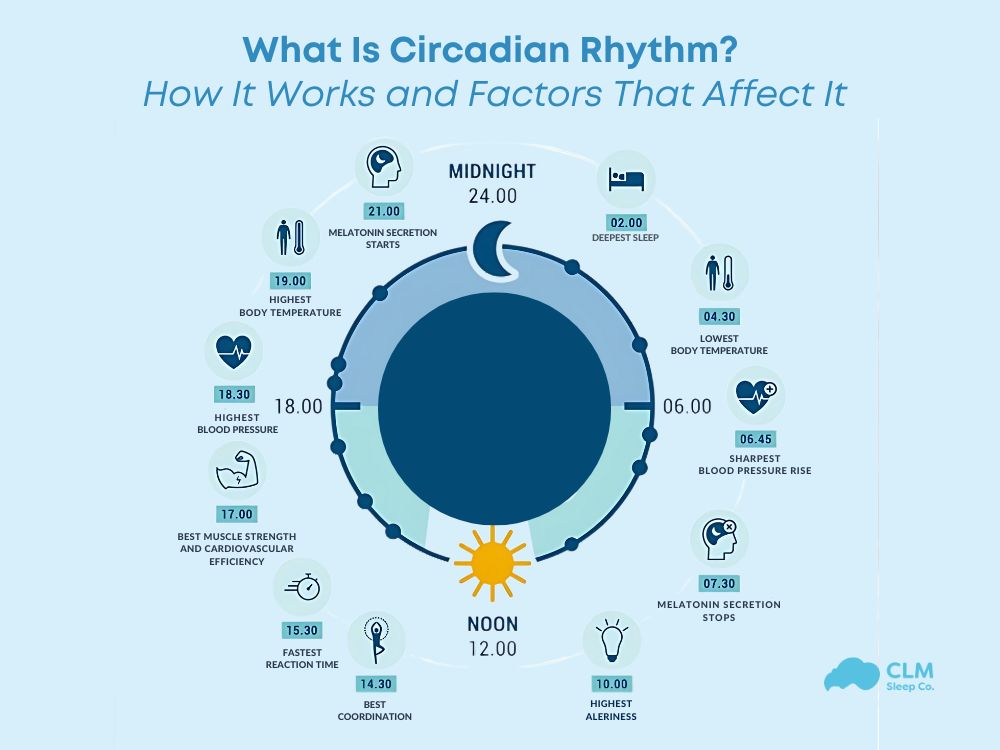
In the intricate design of human biology, few systems are as fundamental and far-reaching as the circadian rhythm. Often described as the body’s internal clock, the circadian rhythm governs a wide range of physiological and behavioral processes that follow a roughly 24-hour cycle. From sleep-wake patterns to hormone secretion, metabolism, and cognitive performance, this internal timing system plays a crucial role in maintaining overall health. In an age characterized by artificial lighting, irregular schedules, and constant connectivity, the natural rhythm of the body is frequently disrupted, leading to significant health implications. Understanding the role of circadian rhythm in health is therefore essential for promoting long-term well-being and optimizing daily performance.
Understanding the Circadian Rhythm
The circadian rhythm is a biological process that regulates cycles of sleep and wakefulness in response to environmental cues, primarily light and darkness. It is controlled by a region in the brain known as the suprachiasmatic nucleus (SCN), located in the hypothalamus. This “master clock” synchronizes various peripheral clocks present in organs and tissues throughout the body.
Light exposure is the most powerful external cue influencing the circadian rhythm. When natural light enters the eyes, it signals the brain to promote alertness and suppress the production of melatonin, a hormone that induces sleep. As darkness falls, melatonin levels rise, preparing the body for rest. This delicate balance ensures that physiological processes occur at the most appropriate times of the day.
While the circadian rhythm operates on an internal schedule, it is not entirely rigid. It can adapt to changes in the environment, such as travel across time zones or shifts in daily routines. However, frequent or prolonged disruptions can lead to misalignment between the internal clock and external conditions, with significant consequences for health.
Sleep and the Circadian Rhythm
Sleep is perhaps the most visible manifestation of the circadian rhythm. The timing, duration, and quality of sleep are all influenced by this internal clock. A well-regulated circadian rhythm promotes consistent sleep patterns, allowing individuals to fall asleep and wake up at regular times.
Disruptions to this rhythm can lead to sleep disorders such as insomnia or irregular sleep-wake cycles. Factors such as exposure to artificial light at night, shift work, and inconsistent sleep schedules can interfere with melatonin production and delay sleep onset. Over time, poor sleep quality can have cascading effects on physical and mental health.
Adequate sleep is essential for cognitive function, emotional regulation, and physical recovery. When the circadian rhythm is aligned with natural light-dark cycles, sleep becomes more restorative, supporting memory consolidation, immune function, and overall vitality.
Hormonal Regulation and Metabolism
The circadian rhythm plays a central role in regulating hormone production. Hormones such as cortisol, insulin, and growth hormone follow daily cycles that are synchronized with the body’s internal clock. Cortisol, often referred to as the “stress hormone,” typically peaks in the early morning to promote wakefulness and gradually declines throughout the day.
Insulin sensitivity also varies across the day, with the body generally more efficient at processing glucose during daylight hours. This has important implications for meal timing and metabolic health. Eating late at night, when the body is less prepared to handle glucose, can contribute to weight gain and increase the risk of metabolic disorders.
The circadian rhythm also influences appetite-regulating hormones such as ghrelin and leptin. Disruptions in these hormones can lead to increased hunger, cravings, and overeating. Over time, such imbalances may contribute to obesity and related health conditions.
Mental Health and Cognitive Function
The relationship between circadian rhythm and mental health is both complex and significant. A stable circadian rhythm supports emotional stability, cognitive performance, and overall psychological well-being. Conversely, disruptions in this rhythm have been linked to conditions such as depression, anxiety, and mood disorders.
Cognitive functions, including attention, memory, and decision-making, fluctuate throughout the day in accordance with the circadian rhythm. Most individuals experience peak alertness during daylight hours and reduced cognitive efficiency at night. Aligning tasks with these natural fluctuations can enhance productivity and performance.
Chronic misalignment of the circadian rhythm, such as that experienced by shift workers or individuals with irregular schedules. This highlights the importance of maintaining a consistent daily routine that supports the body’s natural timing system.
Immune Function and Disease Risk
Emerging research suggests that the circadian rhythm plays a critical role in immune function. The immune system exhibits daily variations in activity, with certain mechanisms being more active at specific times of the day. This rhythmic behavior helps optimize the body’s response to pathogens and injuries.
Disruption of the circadian rhythm can impair immune function, making individuals more susceptible to infections. It may also influence the progression of chronic conditions such as cardiovascular disease, diabetes, and certain cancers. For example, irregular sleep patterns and nighttime light exposure have been associated with increased of metabolic and cardiovascular disorders.
The timing of medical treatments may also be influenced by circadian rhythms, a concept known as chronotherapy. Administering medications at times when the body is most receptive can enhance their effectiveness and reduce side effects.
Lifestyle Factors Affecting Circadian Rhythm
Modern lifestyles present numerous challenges to maintaining a healthy circadian rhythm. Artificial lighting, particularly from electronic devices, can interfere with the natural light-dark cycle. Exposure to blue light in the evening suppresses melatonin production, delaying sleep onset and reducing sleep quality.
Irregular work schedules, especially shift work, can significantly disrupt the circadian rhythm. Individuals who work at night and sleep during the day often experience misalignment between their internal clock and external environment. This can lead to chronic fatigue, and reduced quality of life.
Travel across time zones, commonly known as jet lag, is another factor that temporarily disrupts the circadian rhythm. While the body can eventually adapt, frequent travel can lead to persistent disturbances.
Diet and physical activity also influence circadian rhythms. Eating at irregular times or consuming heavy meals can disrupt metabolic processes. Similarly, lack of physical activity or exercising at inappropriate times may affect sleep and overall rhythm stability.
Strategies for Supporting a Healthy Circadian Rhythm
Maintaining a well-aligned circadian rhythm requires intentional lifestyle choices. One of the most effective strategies is establishing a consistent sleep schedule. Going to bed and waking up at the same time each day helps reinforce the body’s internal clock.
Exposure to natural light during the day is equally important. Spending time outdoors, especially in the morning, helps synchronize the circadian rhythm with the external environment. In contrast, minimizing exposure to artificial light in the evening supports melatonin production.
Creating a sleep-friendly environment can further enhance circadian alignment. A dark, quiet, and cool bedroom promotes and reduces disruptions. Limiting the use of electronic devices before bedtime can also improve sleep quality.
Meal timing should align with the body’s natural metabolic rhythms. Consuming larger meals earlier in the day and avoiding late-night can support. Regular physical activity, particularly during daylight hours, also contributes to a circadian rhythm.
The Broader Implications for Health and Performance
The influence of the circadian rhythm extends beyond individual health to broader aspects of daily life. In professional settings, aligning work schedules with natural can enhance productivity and job satisfaction. Educational institutions may also benefit from considering circadian rhythms when designing schedules, particularly for students.
Athletic performance is another area influenced by circadian timing. Strength, and endurance tend to peak at specific times of the day. Understanding these patterns can help athletes optimize training and competition schedules.
Public health initiatives increasingly recognize the importance of circadian health. Promoting awareness of health sleep habits and the impact of light exposure can contribute to improved population health outcomes.
Conclusion
The circadian rhythm is a fundamental component of human biology, influencing a wide range of physiological and psychological processes. Its role in regulating sleep, hormone production, metabolism, and underscores its importance in maintaining overall well-being. In a world where modern lifestyles conflict with natural rhythms, preserving circadian alignment has become both a challenge and a necessity.
By adopting consistent routines, optimizing light exposure, and making mindful lifestyle choices, individuals can support their internal clocks and enhance their health. The benefits of a well-regulated circadian rhythm extend beyond improved sleep, encompassing and reduced disease risk. As research continues to uncover the complexities of this biological system, its significance in promoting long-term health and performance becomes increasingly evident.