 Anshika Jain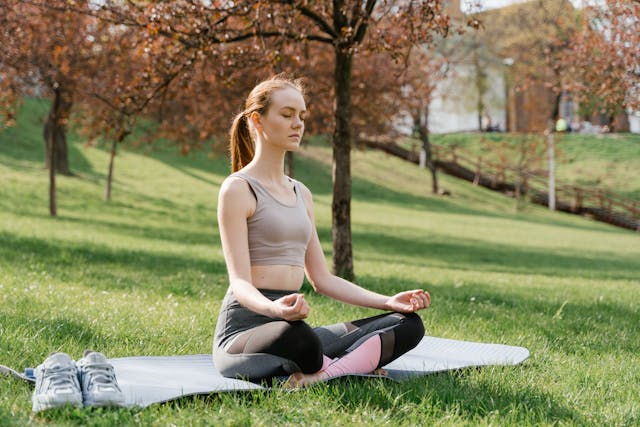
Modern lifestyles are often filled with constant noise, digital distractions, work pressure, social obligations, and fast-paced routines. Many people spend most of their time indoors surrounded by screens, artificial lighting, traffic, and crowded environments. As stress levels continue to rise globally, interest in mindfulness, relaxation techniques, and meditation practices has grown significantly.
Meditation is widely recognized as a valuable practice for improving mental clarity, emotional balance, stress management, and overall well-being. While meditation is commonly practiced indoors in quiet rooms or dedicated spaces, outdoor meditation has become increasingly popular due to its unique connection with nature and environmental awareness.
Outdoor meditation combines mindfulness practices with natural surroundings such as parks, forests, beaches, gardens, mountains, or open green spaces. This combination allows individuals to experience the calming effects of both meditation and nature simultaneously.
Natural environments often provide sensory experiences that support relaxation and mindfulness, including fresh air, sunlight, birdsong, flowing water, wind, and greenery. Spending time outdoors may help reduce overstimulation and mental fatigue commonly associated with urban living and excessive technology use.
Outdoor meditation does not require advanced spiritual knowledge or complicated techniques. It can be practiced by beginners and experienced meditators alike. The goal is not perfection or complete silence but developing greater awareness, calmness, and connection with the present moment.
Understanding outdoor meditation practices and their benefits can help individuals explore healthier ways to manage stress, improve focus, and support emotional well-being through mindful interaction with the natural environment.
Understanding Meditation
Meditation is a mental practice that involves focused attention, awareness, observation, or mindfulness.
Different meditation traditions exist across cultures and philosophies, but many practices share common goals related to calming the mind, increasing self-awareness, improving emotional regulation, and reducing mental distraction.
Meditation often involves attention to breathing, bodily sensations, thoughts, sounds, or surroundings. Contrary to common misconceptions, meditation does not require completely emptying the mind or eliminating all thoughts.
Instead, meditation encourages observing thoughts and sensations without excessive judgment or emotional reactivity. Regular meditation practice has been associated with reduced stress, improved concentration, emotional resilience, better sleep quality, and enhanced mental well-being.
The Connection Between Nature and Mental Health
Natural environments can have powerful effects on psychological health.
Research in environmental psychology suggests that spending time in nature may help reduce stress, mental fatigue, anxiety, and emotional tension. Green spaces often provide a calming contrast to the overstimulation of urban environments filled with noise, traffic, advertisements, and constant digital input.
Nature Exposure→Reduced Stress and Improved Mental Clarity
Outdoor environments encourage sensory awareness through sights, sounds, textures, and natural rhythms that support relaxation and mindfulness. The combination of meditation and nature may therefore create stronger calming effects than either practice alone for many individuals.
Benefits of Outdoor Meditation
Outdoor meditation offers physical, emotional, and psychological benefits.
Many individuals report feeling calmer, more grounded, and mentally refreshed after spending mindful time outdoors.
Potential benefits may include:
- Reduced stress and anxiety
- Improved focus and concentration
- Enhanced emotional balance
- Better mood
- Increased mindfulness
- Reduced mental fatigue
- Improved relaxation
- Greater connection with nature
Outdoor meditation may also support healthier breathing patterns and encourage physical movement when combined with walking meditation or nature exploration.
Natural settings often make meditation feel more enjoyable and accessible for people who struggle with indoor stillness or formal meditation environments.
Mindfulness in Natural Environments
Mindfulness involves paying attention to the present moment with awareness and without excessive judgment.
Outdoor settings naturally encourage mindfulness because they provide rich sensory experiences. The sound of birds, movement of leaves, warmth of sunlight, smell of soil, or sensation of wind can all become points of mindful attention.
Instead of trying to block out all environmental input, outdoor meditation often involves becoming more aware of surrounding natural experiences.
This form of mindfulness helps individuals reconnect with the present moment and reduce excessive focus on worries, distractions, or mental overactivity. Nature-based mindfulness may also increase appreciation for simple experiences often overlooked in busy daily life.
Choosing a Suitable Outdoor Meditation Space
Outdoor meditation can be practiced in many different environments depending on personal preference and accessibility.
Suitable locations may include:
- Parks
- Gardens
- Forests
- Beaches
- Mountains
- Riversides
- Quiet backyards
- Open fields
The ideal environment is generally one that feels relatively safe, comfortable, and minimally distracting.
Complete silence is not necessary. Natural sounds often enhance relaxation and mindfulness. Some individuals prefer secluded areas for privacy, while others feel comfortable meditating in public parks or shared outdoor spaces. Accessibility and consistency are often more important than finding a “perfect” meditation location.
Breathing Meditation Outdoors
Breathing meditation is one of the simplest and most accessible outdoor meditation practices. This technique involves focusing attention on the breath while observing inhalation and exhalation patterns. Natural outdoor air and open environments may make breathing exercises feel more refreshing and calming.
During outdoor breathing meditation, individuals may notice:
- Air temperature
- Wind sensations
- Natural scents
- Breathing rhythm
- Bodily relaxation
Focused Breathing→Calmer Nervous System and Reduced Stress
When distractions arise, attention is gently returned to the breath without harsh self-criticism. Breathing meditation can be practiced while sitting, standing, or walking outdoors.
Walking Meditation
Walking meditation combines mindful movement with awareness of the surrounding environment.
Unlike seated meditation, walking meditation involves slow and intentional movement while focusing on bodily sensations and environmental awareness.
Attention may be directed toward:
- Footsteps
- Breathing
- Body posture
- Sounds
- Scenery
- Physical sensations
Walking meditation is especially helpful for individuals who find stillness difficult or who prefer active forms of mindfulness. Nature trails, beaches, parks, and quiet paths are often ideal settings for walking meditation. The goal is not speed or exercise performance but mindful presence during movement.
Forest Bathing and Nature Immersion
Forest bathing, also known as “Shinrin-yoku,” originated in Japan as a wellness practice involving mindful immersion in forest environments.
This practice encourages slow and intentional interaction with nature through observation, breathing, and sensory awareness. Forest bathing is not focused on hiking intensity or physical achievement.
Instead, the emphasis is on relaxation, presence, and connection with natural surroundings. Research suggests that spending time in forest environments may support reduced stress hormones, improved mood, and relaxation responses. Natural environments may also encourage slower breathing and reduced mental overstimulation.
Sound Awareness Meditation
Outdoor meditation provides opportunities for sound-based mindfulness.
Rather than avoiding sound completely, individuals learn to observe natural sounds without emotional resistance or distraction. Sounds such as birdsong, flowing water, rain, wind, insects, or rustling leaves can become anchors for mindful attention.
This practice encourages acceptance of the present moment and reduces the tendency to become frustrated by external noise. Listening meditation may improve concentration and sensory awareness while promoting calmness.
Sunlight and Outdoor Meditation
Natural sunlight exposure may positively affect mood, sleep regulation, and overall well-being.
Morning outdoor meditation may help support healthy circadian rhythms by exposing the body to natural daylight early in the day. Sunlight also contributes to vitamin D production, which supports various aspects of health.
However, safe sun exposure remains important, especially during periods of intense heat or prolonged outdoor sessions. Outdoor meditation can therefore combine mindfulness benefits with some of the positive effects associated with spending time outdoors in natural light.
Emotional Benefits of Outdoor Meditation
Outdoor meditation may help individuals manage emotional stress more effectively.
Nature often creates feelings of openness, perspective, and emotional grounding. Many people find that natural environments reduce mental pressure and emotional intensity compared to enclosed indoor settings. Mindfulness practices also encourage greater awareness of emotional states without immediate reaction or avoidance.
This can support emotional resilience and self-regulation over time. Outdoor meditation may be particularly beneficial for individuals experiencing stress, mental fatigue, emotional overwhelm, or digital burnout.
Outdoor Meditation and Physical Relaxation
Stress often creates physical tension in muscles, breathing patterns, posture, and nervous system activity. Outdoor meditation encourages relaxation by slowing breathing, reducing mental stimulation, and increasing bodily awareness. Natural settings may help activate relaxation responses within the nervous system.
Physical signs of relaxation during meditation may include:
- Slower breathing
- Reduced muscle tension
- Lower heart rate
- Improved posture awareness
- Feelings of calmness
These responses support both mental and physical well-being.
Challenges of Outdoor Meditation
While outdoor meditation offers many benefits, it also presents certain challenges.
Weather conditions, insects, noise, crowds, temperature changes, and environmental distractions may affect comfort and concentration. Some individuals initially become frustrated when outdoor environments are not perfectly quiet or controlled.
However, learning to observe distractions without excessive reaction is part of mindfulness development. Flexibility and realistic expectations help improve the outdoor meditation experience. Short sessions may be more manageable for beginners before progressing to longer practices.
Technology and Mindful Disconnection
Outdoor meditation also provides opportunities to reduce dependence on constant digital stimulation. Many individuals spend large portions of the day connected to phones, notifications, emails, and social media.
Excessive digital exposure may contribute to mental fatigue, anxiety, reduced attention span, and overstimulation. Choosing to meditate outdoors without digital interruptions may improve mental clarity and emotional balance. Temporary disconnection from technology often enhances awareness of the surrounding environment and present moment experiences.
Group Outdoor Meditation
Outdoor meditation can be practiced individually or in groups. Group meditation sessions in parks, retreats, beaches, or nature centers may create feelings of community and shared relaxation. Some individuals feel more motivated and focused when practicing mindfulness with others.
Group environments may also provide guidance for beginners who are unfamiliar with meditation techniques.
However, solo outdoor meditation can offer valuable opportunities for self-reflection, independence, and personal quiet time. Both approaches may support emotional well-being in different ways.
Building a Consistent Outdoor Meditation Routine
Consistency is more important than duration when developing meditation habits. Even short outdoor meditation sessions practiced regularly may provide noticeable benefits over time. Starting with five to ten minutes daily can help individuals build sustainable routines without feeling overwhelmed.
Scheduling meditation during walks, mornings, lunch breaks, or evenings may improve consistency. Creating realistic and flexible routines helps prevent meditation from becoming another source of pressure or perfectionism.
Outdoor Meditation and Long-Term Wellness
Outdoor meditation supports a holistic approach to health by combining mental relaxation, mindfulness, movement, sunlight exposure, and connection with nature. These combined benefits may positively influence stress management, emotional resilience, sleep quality, focus, and overall well-being.
Long-term wellness depends not only on physical health but also on emotional balance, recovery, and mental clarity. Mindfulness practices encourage greater awareness of thoughts, habits, emotions, and lifestyle patterns. This awareness may support healthier decision-making and improved self-care over time.
Conclusion
Outdoor meditation practices provide a valuable way to combine mindfulness with the calming and restorative effects of nature. In modern lifestyles often dominated by stress, digital distractions, and constant stimulation, spending mindful time outdoors can support both mental and physical well-being.
Practices such as breathing meditation, walking meditation, sound awareness, forest bathing, and nature immersion help individuals reconnect with the present moment while reducing emotional tension and mental fatigue.
Outdoor meditation does not require perfection, complete silence, or advanced spiritual knowledge. Simple and consistent mindfulness practices in natural environments can significantly improve relaxation, focus, emotional balance, and stress management over time.
The combination of nature exposure and mindful awareness creates a powerful opportunity for healthier living and emotional resilience.
Ultimately, outdoor meditation encourages individuals to slow down, become more intentional, and develop a deeper connection with both themselves and the natural world around them.