 Anshika Jain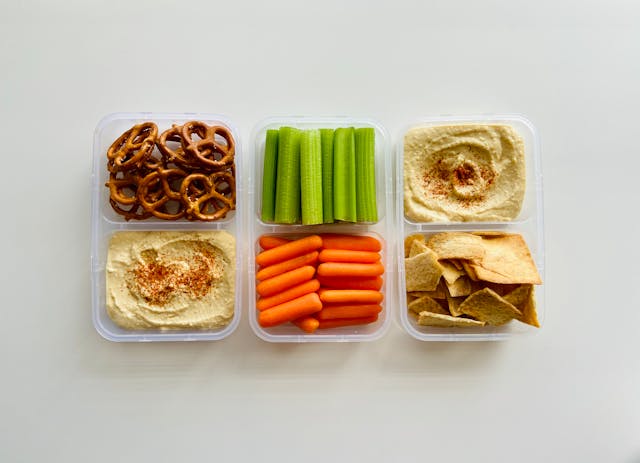
Snacking is often misunderstood in the context of a healthy lifestyle. For many people, it is associated with mindless eating, empty calories, or quick fixes that provide a short burst of energy followed by an inevitable crash. However, when approached thoughtfully, snacking can play a valuable role in maintaining energy levels, supporting metabolism, and preventing overeating during main meals. The key lies in choosing snacks that not only taste good but also promote satiety—keeping you full and satisfied for longer periods.
Understanding what makes a snack truly filling requires a closer look at nutrition, digestion, and the body’s hunger signals. Rather than focusing on calorie counts alone, effective snacking is about nutrient density, balance, and timing. Healthy snacks that actually keep you full are those that combine protein, fiber, and healthy fats in a way that stabilizes blood sugar and curbs unnecessary cravings.
The Science of Satiety
Satiety refers to the feeling of fullness and the suppression of hunger after eating. It is influenced by a variety of factors, including the macronutrient composition of food, its volume, and how it affects hormones related to hunger and fullness. Protein is widely recognized as the most satiating macronutrient, as it slows digestion and promotes the release of hormones that signal fullness to the brain. Fiber, particularly soluble fiber, also plays a crucial role by absorbing water and expanding in the stomach, which prolongs digestion and enhances satiety.
Healthy fats contribute to fullness by slowing gastric emptying and providing a steady source of energy. In contrast, snacks high in refined sugars and simple carbohydrates are quickly digested, leading to rapid spikes and drops in blood glucose levels. This often results in increased hunger shortly after consumption, creating a cycle of frequent snacking without true satisfaction.
Why Traditional Snacks Fall Short
Many commonly consumed snacks, such as chips, biscuits, and sugary beverages, are designed for taste rather than nutrition. These foods are typically low in protein and fiber while being high in refined carbohydrates, unhealthy fats, and added sugars. As a result, they fail to provide lasting energy or satiety.
The issue is not just nutritional imbalance but also portion control. Highly processed snacks are easy to overconsume because they are engineered to be hyper-palatable. This combination of low satiety and high calorie density makes them unsuitable for individuals seeking to manage hunger effectively. Replacing these options with nutrient-rich alternatives can transform snacking from a problematic habit into a strategic component of a balanced diet.
The Role of Protein in Satisfying Snacks
Protein is a cornerstone of any filling snack. It not only supports muscle maintenance and repair but also significantly reduces hunger levels. Including protein in snacks helps stabilize blood sugar and prevents the rapid energy fluctuations associated with carbohydrate-heavy foods.
Foods such as Greek yogurt, boiled eggs, cottage cheese, and legumes are excellent sources of protein that can be incorporated into snacks. For individuals with busy schedules, these options are both convenient and effective in promoting satiety. When paired with fiber-rich foods like fruits or whole grains, protein-based snacks become even more satisfying.
Fiber: The Unsung Hero of Fullness
Fiber is another essential component of snacks that keep you full. It adds bulk to food without increasing calorie content and slows the digestive process, which helps maintain a feeling of fullness over time. High-fiber foods also support gut health and contribute to better digestion.
Fruits, vegetables, whole grains, nuts, and seeds are rich in fiber and can be easily included in snack combinations. For example, an apple paired with a handful of almonds provides both fiber and healthy fats, creating a balanced snack that sustains energy levels.
Healthy Fats and Sustained Energy
While fats are often misunderstood, healthy fats are vital for satiety and overall health. They provide a concentrated source of energy and help regulate appetite by slowing digestion. Sources of healthy fats include nuts, seeds, avocados, and certain dairy products.
Incorporating fats into snacks not only enhances flavor but also ensures a more gradual release of energy. This is particularly beneficial for individuals who need sustained focus and productivity throughout the day.
Balanced Snack Combinations
The most effective snacks are those that combine protein, fiber, and healthy fats in a balanced manner. This combination addresses multiple aspects of hunger and energy regulation, making it easier to stay satisfied between meals.
Examples of balanced snacks include yogurt with fruit and nuts, whole-grain toast with nut butter, or hummus with vegetable sticks. These combinations are not only nutritionally complete but also versatile and easy to prepare.
Although variety is important, consistency in choosing nutrient-dense options is what ultimately leads to better eating habits. Developing a repertoire of go-to snacks can simplify decision-making and reduce reliance on less healthy alternatives.
Timing and Portion Awareness
Even the healthiest snacks can be ineffective if consumed inappropriately. Timing plays a crucial role in maximizing the benefits of snacking. Ideally, snacks should be consumed when there is a genuine need for energy, such as between meals or before physical activity.
Portion control is equally important. Overeating, even with healthy foods, can lead to excessive calorie intake and negate the benefits of mindful snacking. Paying attention to portion sizes and eating slowly can help regulate intake and enhance the feeling of fullness.
Snacking for Different Lifestyles
Nutritional needs vary depending on lifestyle, activity level, and individual goals. For active individuals or athletes, snacks may need to provide a higher amount of protein and carbohydrates to support performance and recovery. In contrast, those with sedentary lifestyles may benefit from lower-calorie, high-fiber options that prevent unnecessary weight gain.
For individuals managing weight, snacks should be chosen carefully to avoid excess calories while still providing satisfaction. High-protein, high-fiber snacks are particularly effective in this context, as they reduce overall hunger and help control portion sizes during main meals.
Psychological Aspects of Snacking
Hunger is not always driven by physical needs; emotional and psychological factors often play a significant role. Stress, boredom, and habit can lead to unnecessary snacking, even when the body does not require additional energy.
Understanding the difference between physical hunger and emotional cravings is essential for developing healthy snacking habits. Mindful eating practices, such as paying attention to hunger cues and eating without distractions, can help individuals make more intentional choices.
Choosing snacks that are both nutritious and satisfying can also reduce the likelihood of emotional overeating, as the body receives the nutrients it needs to function effectively.
Building Sustainable Habits
Creating a sustainable approach to snacking involves planning, preparation, and consistency. Keeping healthy snacks readily available reduces the temptation to opt for less nutritious options. Simple strategies such as preparing snacks in advance or carrying portable options can make a significant difference.
Education is another important factor. Understanding the nutritional value of different foods empowers individuals to make informed choices that align with their goals. Over time, these choices become habits, contributing to long-term health and well-being.
Common Misconceptions About Healthy Snacking
There are several misconceptions surrounding healthy snacking that can hinder progress. One common belief is that all snacks should be low in calories. While calorie awareness is important, focusing solely on calorie count can lead to choices that lack nutritional value and fail to satisfy hunger.
Another misconception is that snacking should be avoided altogether. In reality, strategic snacking can support metabolism, maintain energy levels, and prevent overeating during meals. The emphasis should be on quality rather than elimination.
Additionally, many people assume that “healthy” packaged snacks are always a good choice. However, these products can sometimes contain hidden sugars, additives, and unhealthy fats. Reading labels and prioritizing whole, minimally processed foods is essential.
The Long-Term Benefits of Smart Snacking
Incorporating healthy, filling snacks into a daily routine offers numerous benefits beyond immediate hunger control. It supports stable energy levels, improves concentration, and contributes to better overall nutrition. Over time, these benefits can lead to improved metabolic health, weight management, and reduced risk of chronic diseases.
Moreover, developing a mindful approach to snacking fosters a healthier relationship with food. Instead of viewing snacks as indulgences or guilty pleasures, they become purposeful choices that support well-being.
Conclusion
Healthy snacks that actually keep you full are not defined by restrictive rules or fleeting trends but by their ability to nourish the body and sustain energy. By focusing on nutrient-dense foods that combine protein, fiber, and healthy fats, individuals can transform snacking into a powerful tool for maintaining health and productivity.
The shift from empty-calorie snacks to balanced, satisfying options requires awareness and intention, but the rewards are significant. From improved energy levels to better appetite control, the benefits of smart snacking extend far beyond the momentary relief of hunger. In a world where convenience often dictates food choices, making informed decisions about snacks can have a lasting impact on overall health and quality of life.