 Anshika Jain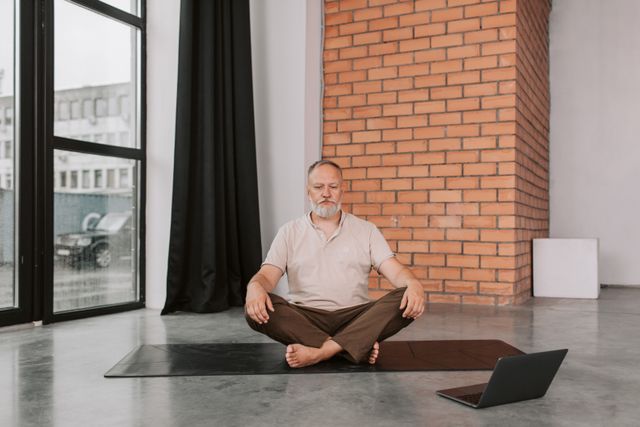
Digital technology has become an essential part of modern life, influencing how people work, study, communicate, shop, and entertain themselves. Smartphones, laptops, tablets, and other connected devices provide convenience and access to information, but they have also increased the amount of time many individuals spend looking at screens. From checking notifications in the morning to watching videos before sleeping, digital devices are often integrated into nearly every part of the day. Although technology offers numerous benefits, excessive or unplanned screen use can interfere with concentration, sleep routines, physical movement, and opportunities for meaningful offline engagement.
The growing awareness of these challenges has encouraged people to explore digital detox practices. A digital detox generally involves intentionally reducing unnecessary digital activity or taking planned breaks from electronic devices. It does not necessarily require completely abandoning technology. Instead, the objective is to develop a healthier relationship with screens by creating boundaries and making space for activities that support physical and mental well-being.
Yoga and mindful movement have emerged as practical activities that can complement digital detox efforts. Yoga combines physical postures, breathing practices, and attention to the present moment, while mindful movement encourages individuals to notice bodily sensations and perform activities with awareness. These practices may help people replace some passive screen time with purposeful physical activity and moments of relaxation.
However, yoga should not be presented as a guaranteed solution for screen dependence or digital overuse. Reducing screen time usually requires a combination of awareness, behavioural changes, and practical boundaries. Yoga may serve as one supportive tool within that process. This article explores the relationship between yoga, digital detox, and screen habits, examining how mindful movement can encourage healthier routines in an increasingly connected world.
The Rise of Screen Dependence in Everyday Life
Screen use has expanded beyond traditional entertainment and professional activities. People rely on digital devices for education, online banking, navigation, shopping, communication, and accessing healthcare information. Students may attend virtual classes and complete assignments on laptops, while professionals use computers and smartphones throughout their working hours. Even leisure activities increasingly involve digital platforms, including streaming services, gaming, and social media.
The convenience of these technologies can make it difficult to recognise how frequently devices are being used. A person may begin by checking one notification and continue browsing for an extended period. Similarly, watching a short video during a break may develop into a longer session of scrolling. These experiences are influenced by personal habits, platform design, work requirements, and individual circumstances.
Screen use itself is not inherently harmful. Digital devices can support learning, social connections, creativity, and productivity. The concern arises when usage becomes difficult to control or begins interfering with important aspects of life. For example, someone may postpone sleep to continue browsing, avoid physical activity because of prolonged entertainment sessions, or struggle to concentrate without checking notifications.
Screen dependence is not a formal diagnosis in every context, and the term is often used broadly. It is useful to distinguish between necessary digital activity and problematic patterns of use. A person who spends several hours working on a computer may have substantial screen exposure without experiencing compulsive behaviour. Conversely, someone may experience difficulties managing recreational screen use despite spending less total time on devices.
Recognising these differences is important when considering digital detox strategies. The goal should be to address unhealthy patterns rather than assume that all screen use needs to be eliminated.
What Is a Digital Detox?
A digital detox is an intentional effort to reduce unnecessary engagement with digital devices and online platforms. It may involve short breaks from smartphones, limiting social media use, creating device-free periods, or establishing boundaries around screen-based entertainment. The approach can be adapted to individual lifestyles and does not require everyone to follow the same rules.
Some individuals choose to avoid recreational screen use for a specific period, such as an evening or weekend. Others focus on reducing particular activities, including continuous social media scrolling, unnecessary notifications, or using devices immediately before bedtime. A digital detox can also involve replacing screen-based habits with offline alternatives, such as reading, walking, journaling, or practising yoga.
The effectiveness of a digital detox depends partly on the reasons behind it and the strategies used. Simply putting a phone away for a short time may provide a temporary break, but lasting changes often require understanding the situations that trigger excessive use. For example, a person may reach for a smartphone because of boredom, stress, habit, or a desire for social connection.
Mindful movement can be useful in this context because it provides an alternative activity that involves physical participation and attention. Instead of automatically opening an application during a break, an individual might spend a few minutes stretching or practising breathing exercises. This does not eliminate the need for broader behavioural changes, but it may help create a more intentional approach to daily routines.
Understanding Yoga as a Mindful Movement Practice
Yoga is a traditional practice with diverse approaches that may include physical postures, breathing techniques, meditation, and philosophical principles. Modern yoga classes vary considerably in intensity and purpose, ranging from gentle stretching and relaxation sessions to physically demanding sequences.
Mindfulness in yoga involves paying attention to the present experience, including breathing, body sensations, posture, and movement. Rather than performing exercises mechanically, practitioners are encouraged to develop awareness of how they feel during the practice. This emphasis on attention can make yoga different from activities performed while simultaneously browsing a phone or watching unrelated content.
Mindful movement does not require advanced flexibility or complex postures. Simple activities, such as gentle neck movements, seated stretches, standing balance exercises, and controlled breathing, may be accessible to many beginners. The appropriate practice depends on individual physical abilities, experience, and health considerations.
Yoga can provide a structured opportunity to step away from digital devices. During a session, participants may choose to keep their phones on silent or outside the practice area. This creates a temporary environment in which attention is directed toward physical movement rather than notifications and online content.
Nevertheless, yoga should be approached realistically. It is not necessary for everyone to practise traditional yoga, and people can explore other forms of mindful movement, including walking, tai chi, gentle stretching, or mobility exercises. The central principle is intentional attention to physical activity rather than adherence to one specific practice.
How Mindful Movement May Help Reduce Unnecessary Screen Time
One way yoga may support digital detox efforts is by providing a practical alternative to habitual screen use. Many people reach for their phones during moments of waiting, boredom, or transition. Introducing a short movement routine during these periods can help create a different response to the urge to use a device.
For example, an individual who usually spends ten minutes scrolling after work might instead practise gentle stretching or breathing exercises. A student taking a study break could perform a few simple yoga movements before returning to academic work. These changes do not require eliminating technology but encourage people to make deliberate choices about how they use their free time.
Mindful movement may also increase awareness of habitual behaviour. During yoga, individuals are encouraged to pay attention to their breathing and bodily sensations. This attention can provide an opportunity to reflect on how often they automatically check devices throughout the day. Greater awareness does not guarantee behaviour change, but it can help people identify patterns that they want to modify.
Another potential benefit is the creation of a routine that is incompatible with continuous screen engagement. A dedicated yoga session may involve placing a smartphone away from the exercise area and focusing on the activity for a set period. Over time, this practice may help establish device-free moments within a daily schedule.
The extent of the benefit varies from person to person. Yoga may be helpful for some individuals, while others may prefer walking, music, creative hobbies, or social activities as alternatives to screen use. The most useful approach is one that fits personal preferences and can be maintained consistently.
The Connection Between Yoga, Stress, and Digital Habits
Stress can influence how people interact with digital devices. Some individuals use social media, streaming platforms, or online games as ways to relax after a demanding day. Digital entertainment can provide enjoyment, but relying on screens as the primary method of managing stress may contribute to prolonged usage or interfere with other forms of recovery.
Yoga and breathing practices are often used to encourage relaxation and body awareness. Slow, controlled breathing and gentle movement may help some individuals feel calmer during or after a session. Research on yoga has explored its potential relationship with stress management, mood, and general well-being, although outcomes depend on the type of practice, frequency, and individual circumstances.
The relationship between stress and screen use is not identical for everyone. Digital communication may provide valuable social support, and online resources can be helpful during challenging periods. Therefore, reducing screen time should not involve removing activities that provide necessary connection or assistance.
A balanced approach involves identifying which forms of digital engagement are helpful and which are becoming disruptive. Someone might retain online communication with family members while limiting unnecessary scrolling before bed. Yoga could be introduced as an additional relaxation activity rather than a replacement for every digital experience.
Mindful movement may encourage individuals to pause and consider their needs before reaching for a device. This reflective habit can support healthier decision-making without suggesting that all screen use is harmful.
Yoga as a Tool for Improving Body Awareness
Extended periods of screen use often involve sitting in one position, looking downward at a smartphone, or working at a desk. Depending on posture, workstation setup, and duration, these habits may contribute to physical discomfort, stiffness, or reduced movement. Yoga can provide opportunities to change position and pay attention to bodily sensations.
Gentle yoga movements may include shoulder rolls, chest-opening stretches, spinal mobility exercises, and comfortable standing postures. These activities can encourage movement after periods of sitting, although their suitability depends on individual physical conditions and technique.
Body awareness is an important aspect of mindful movement. Practitioners may learn to recognise tension, discomfort, or fatigue rather than ignoring these sensations while continuing to use a device. This awareness can encourage people to take regular breaks and adjust their posture or activity.
However, yoga does not automatically correct all posture-related problems or prevent every form of discomfort associated with screen use. Ergonomic adjustments, regular movement breaks, appropriate workstation setup, and professional assessment when necessary are also important.
A practical digital wellness routine may combine gentle yoga with other movement strategies. Someone working at a computer could stand periodically, walk briefly, stretch comfortably, and practise yoga at a convenient time. These activities support a broader approach to reducing sedentary behaviour.
The purpose is not to compensate for unlimited screen time through exercise but to develop a healthier balance between digital activity and physical movement.
The Role of Breathing Exercises in Digital Detox
Breathing exercises are frequently included in yoga and mindfulness practices. They encourage individuals to direct attention toward their breathing and may provide a brief opportunity to pause from external distractions. Some techniques involve slow breathing, while others use specific patterns that require instruction and practice.
For people who frequently switch between digital tasks, a short breathing session may create a moment of intentional rest. Instead of immediately responding to notifications, an individual might spend a few minutes sitting comfortably and observing their breathing. This can become part of a broader routine designed to reduce unnecessary device checking.
Breathing practices may also support relaxation for some individuals. However, responses vary, and certain breathing techniques can cause discomfort or light-headedness when performed incorrectly or excessively. Beginners should avoid forcing their breath and should stop if they feel unwell. Individuals with specific medical conditions should seek appropriate professional guidance before undertaking specialised breathing practices.
The value of breathing exercises in digital detox lies primarily in their accessibility and potential to create a pause. They do not directly remove the causes of excessive screen use, such as work demands, platform design, or habitual behaviour. Instead, they may support the development of more deliberate transitions between activities.
When combined with practical boundaries, breathing exercises can form a simple component of a mindful daily routine.
Creating a Screen-Free Yoga Environment
The environment in which yoga is practised can influence how effectively an individual disconnects from digital distractions. A dedicated space does not need to be large or elaborate. A clean area with sufficient room for safe movement may be enough for many basic routines.
Keeping smartphones away from the exercise area can reduce the temptation to check notifications. Individuals may choose to switch devices to silent mode or use a timer when necessary. However, people should retain access to communication tools if they need to remain reachable for emergencies or important responsibilities.
Digital platforms can also be used to learn yoga. Beginners may follow an instructional video or attend an online class, meaning that technology is not always something to eliminate during the practice. The distinction lies in whether the device is being used intentionally for exercise or contributing to unrelated distractions.
For individuals who rely on digital instruction, downloading a session in advance or placing the device at a comfortable viewing distance may help limit unnecessary interactions. After the session, the device can be put away rather than becoming a prompt for extended browsing.
Creating a screen-free yoga environment is therefore a matter of design and intention. It allows people to use technology when useful while protecting specific periods of mindful movement from unrelated digital interruptions.
Developing a Practical Yoga-Based Digital Detox Routine
A sustainable routine should be realistic and suited to the individual’s schedule. Attempting to eliminate all recreational screen use immediately may be difficult, especially for people whose work or education depends on digital devices. A gradual approach can help individuals identify manageable changes.
Someone new to yoga might begin with a short, gentle session at a convenient time of day. The session could include comfortable stretches, breathing awareness, and a brief period of quiet reflection. As the routine becomes familiar, the individual may choose to increase its duration or frequency according to personal comfort.
Another strategy is to connect yoga with an existing screen habit. For example, a person who usually scrolls through social media immediately after waking up could first spend a few minutes stretching before checking their phone. Someone who watches videos late at night might introduce a gentle evening routine and establish a device-free period before sleep.
The purpose of these changes is to create alternative habits rather than impose unrealistic restrictions. Individuals should monitor whether the routine feels manageable and adjust it when necessary. Yoga should not become another source of pressure or an activity that causes physical discomfort.
Digital detox goals can also be measured in practical ways. Instead of focusing exclusively on total screen hours, individuals may consider whether they are checking devices less automatically, sleeping more consistently, or spending more time engaged in offline activities. These observations can help people evaluate whether their chosen strategies are useful.
Yoga, Sleep, and Evening Screen Habits
Evening screen use is a common concern in discussions about digital wellness. People may use smartphones, laptops, or televisions close to bedtime, and engaging content can make it difficult to transition into sleep. Exposure to light from screens, mental stimulation, and delayed bedtimes can all influence sleep routines.
Yoga may complement efforts to create a calmer evening environment. Gentle stretching, relaxation exercises, and mindful breathing can become part of a bedtime routine for some individuals. These activities may encourage a transition away from stimulating digital content, although they are not guaranteed to improve sleep for everyone.
Reducing screen exposure before bedtime can be one practical strategy. Individuals may choose to avoid unnecessary phone use during a designated period, keep devices away from the bed, or turn off non-essential notifications. The most appropriate approach depends on personal needs and responsibilities.
It is important to distinguish between yoga and established sleep recommendations. Yoga alone cannot compensate for insufficient sleep, irregular schedules, or underlying sleep disorders. Maintaining a consistent bedtime, creating a comfortable sleep environment, and addressing persistent sleep difficulties with a healthcare professional are also important.
A mindful evening routine can therefore include yoga as one element of a broader sleep-supportive lifestyle. The objective is to encourage habits that allow individuals to wind down without depending entirely on digital entertainment.
The Challenges of Practising Digital Detox in a Connected World
Reducing unnecessary screen use can be difficult because digital devices are integrated into many essential activities. Students may need laptops for assignments, professionals may require smartphones for work communication, and families may rely on digital tools for coordination and emergencies. A complete separation from technology is not practical or desirable for everyone.
Another challenge is the design of digital platforms. Notifications, personalised recommendations, and continuous content feeds can encourage people to remain engaged for longer periods. Individuals may find that their intentions to take a short break are interrupted by repeated prompts or habitual checking.
Social expectations can also influence screen behaviour. People may feel pressure to respond immediately to messages or remain active on social media. These expectations vary across workplaces, communities, and personal relationships.
Yoga can provide a useful offline activity, but it cannot resolve all these challenges independently. Effective digital wellness may require practical measures such as disabling non-essential notifications, establishing communication boundaries, and scheduling device-free periods.
Individuals should also avoid judging themselves harshly when routines do not go as planned. Digital habits can be influenced by work demands, stress, and unexpected circumstances. A flexible approach allows people to return to their goals without treating occasional setbacks as failure.
The broader aim is to develop a relationship with technology that supports personal well-being, productivity, and meaningful social connection.
Making Mindful Movement Accessible to Beginners
One of the strengths of mindful movement is that it can be adapted to different preferences and abilities. Beginners do not need advanced yoga knowledge, expensive equipment, or extensive flexibility to begin exploring gentle movement.
A person may start with simple seated stretches, comfortable standing postures, or short breathing-awareness sessions. The focus should be on controlled movement, comfort, and attention rather than achieving difficult poses. Using a suitable exercise mat and practising in a safe environment may improve comfort.
Instruction from a qualified yoga teacher can be helpful, especially for individuals who are unfamiliar with technique or have specific physical limitations. Online resources may also provide introductory guidance, but users should evaluate the instructor’s qualifications and choose sessions appropriate for their experience level.
People with injuries, medical conditions, pregnancy-related considerations, or other health concerns should obtain appropriate professional advice about suitable exercises. Yoga practices vary widely, and not every movement is appropriate for every person.
Accessibility also involves recognising that not everyone enjoys yoga. Walking, gentle mobility exercises, creative hobbies, reading, and other offline activities can serve similar purposes in a digital detox plan. Mindful movement should be an option rather than an obligation.
By prioritising personal comfort and realistic expectations, beginners can explore whether yoga fits their lifestyle and supports their efforts to reduce unnecessary screen engagement.
How Families and Workplaces Can Encourage Digital Wellness
Digital detox is often discussed as an individual responsibility, but the surrounding environment can influence screen habits. Families, schools, and workplaces can help create conditions that support balanced technology use.
Families may establish shared device-free periods, such as during meals or certain evening activities. These boundaries can encourage conversation and reduce automatic device checking. However, rules should consider individual needs, including educational responsibilities, communication requirements, and accessibility.
Schools can promote awareness of healthy digital habits by encouraging movement breaks, balanced screen use, and practical time-management strategies. Students may benefit from learning how to distinguish between productive technology use and unnecessary digital distractions.
Workplaces can support digital well-being through reasonable communication expectations and opportunities for breaks. Employees who spend long periods at computers may benefit from ergonomic guidance and encouragement to move regularly. Organisational policies will vary, but workplace culture can influence whether people feel able to step away from screens.
Yoga sessions, stretching breaks, or wellness programmes may be offered as optional activities in some settings. Their usefulness depends on accessibility, participation, and the suitability of the programme. These initiatives should complement broader approaches to health rather than place responsibility entirely on employees or students.
Creating supportive environments can make it easier for individuals to develop sustainable digital habits without feeling isolated in their efforts.
The Future of Yoga and Digital Wellness
As technology continues to develop, the relationship between digital tools and wellness practices is likely to become more complex. Fitness applications, virtual yoga classes, wearable devices, and online mindfulness resources provide new ways to access instruction and monitor routines.
These tools can improve convenience, particularly for individuals who lack access to local classes or prefer practising at home. However, digital wellness technology can also introduce additional screen exposure. A person may spend more time navigating applications, tracking metrics, or comparing performance instead of engaging directly with the practice.
The future of yoga and digital detox may therefore involve a balance between technological support and intentional disconnection. People can use digital resources to learn exercises while creating periods in which devices are no longer necessary. This approach recognises the value of technology without allowing it to dominate every part of the activity.
Artificial intelligence may also be incorporated into wellness applications through personalised suggestions and guided routines. Users should remain aware of the limitations of automated advice and avoid relying on digital tools for medical assessment or treatment decisions.
The central principle is likely to remain the same: technology should support well-being rather than undermine it. Mindful movement can contribute to this goal by encouraging physical activity, awareness, and intentional breaks from digital engagement.
Conclusion: Can Yoga Help Reduce Screen Dependence?
Yoga and mindful movement can play a supportive role in efforts to reduce unnecessary screen use. By providing accessible alternatives to habitual scrolling, encouraging body awareness, and creating opportunities for device-free activity, yoga may help individuals develop more intentional daily routines. Its combination of physical movement and attention to the present moment makes it relevant to conversations about digital wellness.
However, yoga is not a standalone solution for screen dependence. Excessive or problematic screen use can be influenced by work requirements, social expectations, stress, platform design, and personal habits. Addressing these factors may require practical boundaries, changes in notification settings, improved time management, and support from appropriate professionals when necessary.
The most effective digital detox approach is likely to be flexible and realistic. Individuals can begin with manageable changes, such as taking regular movement breaks, introducing short yoga sessions, and establishing screen-free periods. These habits can be adjusted according to personal preferences and responsibilities.
In a world where digital devices are increasingly integrated into everyday life, mindful movement offers an opportunity to reconnect with physical activity and moments of focused attention. Whether through yoga, walking, stretching, or another preferred activity, creating space for offline experiences can contribute to a more balanced relationship with technology.