 Anshika Jain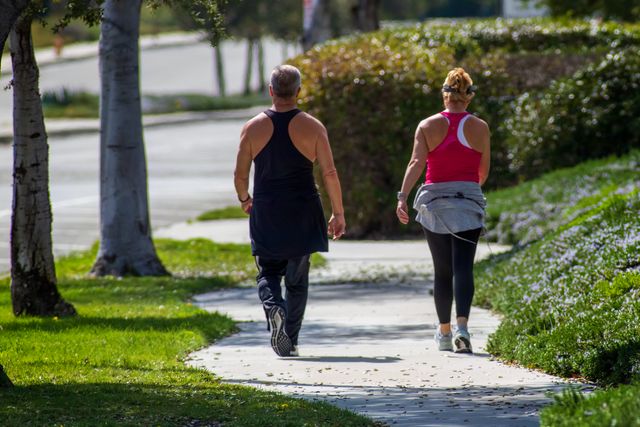
Fitness trends often arrive with complicated routines, specialised equipment, expensive memberships and demanding schedules. Yet one of the simplest forms of physical activity is experiencing a remarkable revival: walking. From morning walks and evening strolls to walking meetings and step-count challenges, people around the world are rediscovering the value of putting one foot in front of the other.
Walking has always been part of everyday life, but it is increasingly being viewed as a deliberate fitness activity rather than merely a way of getting from one place to another. Social media has helped popularize walking routines, while fitness trackers and smartphones have made daily steps easier to measure. At the same time, growing awareness of sedentary lifestyles has encouraged people to look for realistic ways to become more active without necessarily committing to intense workouts.
The walking revolution is not about replacing every form of exercise. Instead, it reflects a change in the way people approach fitness. Many individuals are looking for activities that are accessible, affordable, sustainable and easier to maintain over time. Walking fits naturally into this approach because it can be adapted to different ages, fitness levels, schedules and environments.
Why Walking Is Having a Moment
The modern fitness industry has traditionally placed considerable attention on high-intensity workouts, running, strength training and specialised exercise programmes. These activities can be valuable, but they may not feel practical for everyone. Busy schedules, limited access to gyms, previous inactivity or simply a preference for gentler movement can make traditional workout routines difficult to maintain.
Walking offers a different proposition. It requires very little equipment, can be performed almost anywhere and can often be incorporated into an existing daily routine. A person can walk around a neighbourhood, in a park, on a treadmill, around a workplace or even inside a shopping area. This flexibility makes it easier to start without feeling that exercise requires a complete lifestyle transformation.
The renewed interest in walking also reflects a broader shift away from viewing fitness exclusively through intense workouts. People are increasingly recognizing that regular movement throughout the day matters. A short walk after a meal, a longer weekend walk or several brief walking breaks during working hours can all contribute to a more active lifestyle.
Walking as an Accessible Form of Exercise
One of the strongest reasons for the popularity of walking is its accessibility. Someone who is completely new to exercise does not necessarily need to purchase specialised equipment or learn complicated techniques before beginning. Comfortable footwear and a safe place to walk may be enough to get started.
This simplicity can remove some of the psychological barriers associated with exercise. Walking does not always carry the same intimidating image as a crowded gym or a demanding fitness class. People can begin at a comfortable pace and gradually increase the duration or intensity as their fitness develops.
Accessibility is especially important when encouraging long-term physical activity. A fitness routine is useful only when people can realistically continue it. Walking can be adjusted according to energy levels, available time and individual circumstances, which makes it easier to build into everyday life.
The Connection Between Walking and Sedentary Lifestyles
Modern life has made prolonged sitting increasingly common. Office work, commuting, television, smartphones, online entertainment and remote work can all contribute to long periods of inactivity. Even people who exercise occasionally may spend much of the rest of their day sitting.
This has changed the conversation around movement. Fitness is no longer discussed only in terms of what happens during a dedicated workout. Everyday movement has also become an important consideration.
Walking provides a straightforward way to interrupt sedentary periods. Standing up and taking a short walk during a work break, walking while speaking on the phone or taking a brief stroll after completing a task can introduce more movement into a routine without requiring a separate hour at the gym.
The idea is simple: instead of treating movement as something that happens only during exercise time, people can look for opportunities to move throughout the day.
Step Counters Have Changed How People Walk
Technology has played a major role in transforming walking into a measurable fitness activity. Smartphones, smartwatches and fitness trackers can record steps, distance, active time and other movement-related information.
The popularity of step counting has created a new form of awareness. A person may not realise how little they move during a typical workday until a device displays their activity. Conversely, seeing daily movement can encourage people to take an additional walk or choose stairs instead of a lift.
Step tracking can also turn walking into a personal challenge. Some people enjoy setting goals, monitoring progress and maintaining consistency. Others prefer to use tracking simply as a source of information rather than a strict target.
The most useful role of technology is therefore not necessarily to encourage people to chase a particular number. It can help people understand their habits and identify opportunities to become more active.
Walking and Cardiovascular Fitness
Although walking is simple, it can contribute to cardiovascular activity when performed at an appropriate pace and duration. Brisk walking increases heart rate and breathing compared with resting or very slow movement, making it a practical form of moderate physical activity for many people.
The intensity can also be adjusted. A relaxed walk may be appropriate for recovery or beginners, while a faster pace can make the activity more physically demanding. Walking uphill, using stairs or choosing a route with varied terrain can further increase the challenge.
This adaptability is one reason walking can remain useful even as a person’s fitness level changes. Someone beginning with short, gentle walks can gradually build duration and pace instead of immediately attempting a demanding workout.
However, individual capabilities differ. People with certain health conditions, significant mobility limitations or concerns about beginning exercise should consider appropriate professional guidance before changing their activity routine.
Walking and Weight Management
Walking is also frequently associated with weight-management efforts. Physical activity contributes to energy expenditure, and regular walking can become part of a broader approach that includes balanced nutrition, adequate sleep and sustainable lifestyle habits.
One reason walking can be useful in this context is consistency. Highly demanding exercise routines may be difficult for some people to maintain, while walking can often be performed more frequently and incorporated into ordinary activities.
It is important, however, to avoid presenting walking as a guaranteed method of weight loss. Body weight is influenced by multiple factors, including food intake, metabolism, sleep, genetics, medications and overall activity. Walking can support an active lifestyle, but it should not be treated as a single solution.
The broader lesson is that sustainable health habits often matter more than extreme short-term routines.
Walking for Mental Well-Being
The walking trend is also connected with growing interest in mental well-being. A walk provides an opportunity to step away from screens, change surroundings and spend time outdoors when conditions allow.
For many people, walking can become a period of quiet reflection. Others use it as an opportunity to listen to music, podcasts or audiobooks. Walking with friends or family can also combine physical activity with social interaction.
Outdoor walking may offer additional benefits because it changes the environment in which people spend their time. Parks, neighbourhood streets and natural spaces can provide a break from offices, classrooms and homes.
The mental experience of walking can therefore be as important to some people as the physical movement itself. It can create a transition between work and home, provide a break from a demanding day or simply offer time away from constant digital stimulation.
The Rise of Walking Meetings
The traditional workplace often involves sitting through long meetings. Walking meetings have emerged as one creative way to introduce movement into professional routines when circumstances permit.
Instead of remaining seated in a conference room, colleagues may discuss suitable topics while walking. Such meetings may work particularly well for informal conversations, brainstorming sessions or one-to-one discussions.
Walking meetings are not appropriate for every type of meeting. Presentations, detailed document reviews and confidential conversations may still require a conventional setting. Nevertheless, the concept demonstrates how movement can be incorporated into existing routines rather than treated as a completely separate activity.
As workplaces increasingly focus on employee well-being, small changes like these may become more common.
Social Media and the Walking Trend
Social media has helped turn walking into a visible lifestyle trend. Fitness creators, wellness influencers and ordinary users share walking routines, step counts, walking challenges and scenic routes across digital platforms.
This visibility can make walking feel more socially relevant. Instead of being presented as an old-fashioned form of exercise, it is increasingly associated with wellness, productivity, outdoor living and personal health.
Social media has also encouraged communities around walking. People can share progress, discuss routes, participate in challenges and motivate one another.
At the same time, social media can create unrealistic expectations around fitness. Comparing daily step counts, walking distances or body transformations can make a simple activity feel competitive. Walking is most useful when it supports individual health and lifestyle needs rather than becoming another source of pressure.
Walking as a Social Activity
Unlike many individual workouts, walking can easily become a shared activity. Friends can walk together, families can take evening walks and colleagues can walk during breaks.
This social dimension can make physical activity more enjoyable and sustainable. A person who finds exercise boring alone may look forward to walking when it becomes an opportunity to spend time with someone.
For older adults in particular, social walking groups can combine movement with interaction and community participation. Similarly, younger people can use walks as an alternative to meeting exclusively in cafés, malls or digitally.
The result is a form of fitness that can support both physical movement and social connection.
Walking and Urban Lifestyle Changes
The popularity of walking is also influenced by how cities are designed. Safe footpaths, parks, pedestrian areas, public transport connections and walk able neighborhoods can make walking easier.
In cities where people can reach shops, schools, offices and public spaces on foot, walking can become part of transportation as well as exercise. A person may accumulate movement simply by choosing to walk part of a daily journey.
Urban planning therefore has an important role in supporting active lifestyles. Individual motivation matters, but people are more likely to walk when streets are safe, accessible and comfortable.
In India, the growth of parks, walking tracks, public recreational spaces and pedestrian-focused initiatives in some cities has also created more opportunities for residents to incorporate walking into daily routines. However, availability and safety vary considerably between neighborhoods.
Walking Does Not Have to Mean Ten Thousand Steps
The number 10,000 has become strongly associated with daily walking, but it is important to understand that it is not a universal requirement for everyone. The amount of movement that is appropriate can depend on age, fitness, health status, lifestyle and personal goals.
This is an important development in the modern walking conversation. Instead of becoming obsessed with reaching a particular number, people can focus on gradually increasing movement from their own baseline.
For someone who currently takes very few steps, adding regular short walks may represent meaningful progress. Someone already active may benefit from longer or faster walks. The goal should be appropriate movement rather than an arbitrary number that creates unnecessary pressure.
This approach makes walking more inclusive because people can participate regardless of whether they can comfortably achieve a high daily step count.
Walking as a Low-Cost Fitness Choice
Another reason for the walking revolution is economic. Gym memberships, personal training, specialised equipment and fitness classes can be expensive. Walking generally requires far fewer financial resources.
This makes it particularly attractive during periods when people are becoming more conscious of household spending. Fitness does not necessarily need to be associated with expensive products or subscriptions.
The low cost of walking also makes it suitable for students, working professionals, families and older adults. A well-planned walking routine can be maintained without investing heavily in equipment.
Of course, comfortable and appropriate footwear can be useful, particularly for people walking regularly or for longer distances. But compared with many other fitness activities, the barrier to entry remains relatively low.
Walking and Sustainable Fitness Habits
The growing interest in walking reflects an important principle in fitness: consistency often matters more than complexity. A routine that someone can maintain for months and years may be more useful than an intense programme that lasts only a few weeks.
Walking can become a habit through simple associations. A person might walk after breakfast, take an evening walk after work or use a short walk as a break between long periods of screen time.
Over time, these small routines can become part of everyday life. The activity no longer feels like an additional responsibility because it becomes connected to existing habits.
This is one reason walking has moved beyond the category of basic movement and into the broader wellness conversation. It represents a practical approach to building activity into ordinary life.
How Walking Can Fit Into Modern Daily Routines
A walking routine does not necessarily require a large block of free time. People can look at the structure of their day and identify realistic opportunities for movement.
Someone working at a desk might take short walking breaks. A student could walk between classes or take a short evening walk after studying. A commuter might walk part of a journey when practical. Families could establish a regular post-dinner walk.
The key is to avoid making the routine unnecessarily complicated. Walking should complement daily life rather than create additional stress.
Even when the weather or environment makes outdoor walking difficult, alternatives such as indoor walking spaces or treadmills can provide options. What matters most is choosing a method that is safe, comfortable and sustainable.
Walking Is Simple, but Its Role Is Becoming Bigger
The walking revolution demonstrates how fitness trends can sometimes move in the opposite direction from complexity. Instead of constantly searching for the newest equipment or most demanding workout, people are rediscovering the value of an activity that has existed for thousands of years.
Technology, social media and wellness culture have not made walking fundamentally different. They have changed how people measure, share and think about it.
The modern walking movement is therefore less about discovering a new exercise and more about recognizing the importance of everyday movement. It encourages people to look beyond formal workouts and consider how much activity exists throughout their daily lives.
Conclusion
Walking is becoming a major fitness trend because it fits the realities of modern life. It is accessible, adaptable, affordable and easy to incorporate into everyday routines. The growth of wearable technology, step tracking, social media, walking meetings and wellness communities has given this simple activity a new identity within contemporary fitness culture.
The most significant aspect of the walking revolution may be its emphasis on sustainability. People do not necessarily need an extreme workout routine to become more active. Regular walking can provide a practical starting point and can remain part of a healthy lifestyle as goals and circumstances change.
Rather than treating walking as a lesser form of exercise, the current trend recognises its potential role in supporting physical activity, cardiovascular fitness, mobility, social connection and everyday well-being. It also highlights a broader lesson about fitness: sometimes the most effective changes are the ones simple enough to become part of daily life.
In a world increasingly dominated by screens, cars, desks and sedentary routines, the renewed popularity of walking represents a return to something fundamental. Fitness does not always have to be complicated. Sometimes, progress begins with something as simple as stepping outside and walking forward.