 Anshika Jain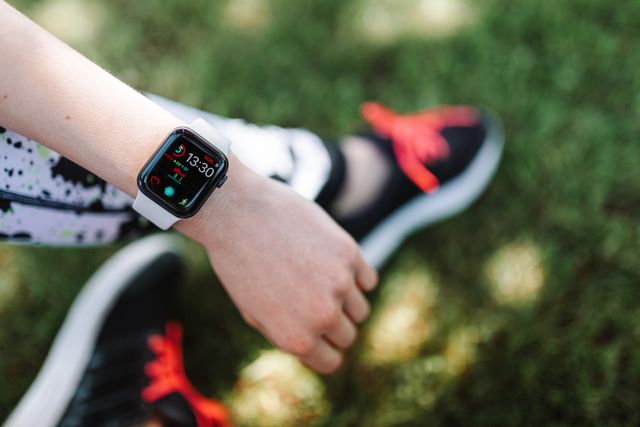
Modern technology has changed the way people understand their health and everyday habits. A few decades ago, people generally relied on how they felt, observations from healthcare professionals, or occasional measurements to understand their physical condition. Today, smartphones, smartwatches, fitness bands, and health applications can continuously collect information about movement, sleep, heart rate, calories, workouts, and other lifestyle patterns.
This growing interest in measuring personal behaviour is often described as the quantified self. The concept refers to using data and technology to observe, record, and understand aspects of everyday life. For many people, tracking has become a routine part of fitness and wellness. A person may check their daily step count after a walk, review sleep information in the morning, monitor heart rate during exercise, or look at estimated calorie expenditure throughout the day.
The appeal of this approach goes beyond numbers. Personal data can make invisible habits more visible. Someone may discover that they move less on working days, sleep differently on weekends, or become more active when they set a specific goal. Tracking can therefore turn ordinary behaviour into information that people can observe and use when making lifestyle decisions.
However, the quantified-self movement also raises important questions. Not every measurement is perfectly accurate, and more data does not automatically mean better health. Constantly monitoring numbers can sometimes create unnecessary pressure or anxiety. Understanding what health data can and cannot tell us is therefore an important part of using digital wellness technology responsibly.
What Does the Quantified Self Mean?
The quantified self is based on the idea of measuring aspects of everyday life through data. Technology can collect information about physical activity, sleep patterns, heart rate, exercise duration, food intake, and other behaviour.
The concept is closely connected to wearable technology and mobile applications. Smartwatches and fitness trackers contain sensors that can estimate movement and other physiological measurements. Smartphones can also record activity using built-in sensors and connected applications.
For users, the attraction is often straightforward: numbers can make progress easier to see. Instead of simply saying that they were active today, someone can look at the number of steps recorded. Instead of guessing whether their sleep routine has changed, they can review the information collected by their device.
These measurements can support awareness, but they should generally be treated as estimates rather than perfect representations of health.
Why People Track Their Daily Steps
Step counting is one of the most familiar forms of health tracking. Smartphones and wearable devices can automatically estimate the number of steps taken during the day, making movement easier to observe.
People often use step counts as a simple indicator of everyday activity. Unlike structured workouts, walking can happen throughout the day while commuting, shopping, working, studying, or completing household activities. A step counter captures some of this movement.
The simplicity of step tracking is part of its appeal. A person does not need specialised knowledge to understand what a step count represents. Seeing a relatively low activity level may encourage someone to take a walk, use stairs where appropriate, or introduce more movement into their routine.
However, a step count does not capture every aspect of physical fitness. Strength, cardiovascular capacity, mobility, exercise intensity, recovery, and other factors also matter. Two people with similar step counts can have very different fitness levels and lifestyles.
Step tracking is therefore most useful when viewed as one measure of movement rather than a complete definition of health.
The Growing Interest in Sleep Tracking
Sleep has become another major focus of personal health technology. Many smartwatches and wearable devices estimate sleep duration and provide information about different sleep stages, overnight movement, and other indicators.
People are increasingly interested in sleep because rest affects how they feel and function during the day. A person who regularly wakes feeling tired may use a tracker to look for patterns in bedtime, wake time, or sleep duration.
Sleep tracking can help users notice changes in their routines. Someone may discover that late-night screen use, irregular schedules, travel, or weekend habits coincide with differences in their recorded sleep.
At the same time, sleep trackers have limitations. Consumer devices generally estimate sleep using sensors and algorithms rather than directly measuring brain activity in the same way as clinical sleep studies. Their estimates can therefore differ from clinical measurements.
The numbers may be useful for observing general patterns, but they should not be treated as definitive medical diagnoses.
Why Calorie Tracking Remains Popular
Calories are another commonly tracked measurement. Nutrition applications allow users to record meals, estimate calorie intake, and compare food consumption with personal goals.
For some people, calorie tracking provides greater awareness of portion sizes and eating patterns. Recording meals may reveal how frequently certain foods are consumed or how eating habits change during busy periods.
Fitness applications may also estimate calories burned during exercise. These estimates can help users understand activity levels, but they are not precise measurements of individual energy expenditure. The actual number of calories a person burns depends on numerous factors, including body composition, activity intensity, metabolism, and individual physiology.
This is why calorie numbers should be interpreted carefully. Focusing too heavily on exact figures can make eating feel like a mathematical exercise rather than part of a broader nutritional lifestyle.
For people with a history of disordered eating or significant concerns around food and body image, calorie tracking may not be appropriate. In such circumstances, professional guidance can be more useful than relying on tracking applications.
Heart Rate as a Window Into Exercise
Heart-rate monitoring has become increasingly common through smartwatches and fitness bands. During exercise, users can observe changes in heart rate and sometimes receive estimates of training intensity.
Heart-rate data can make workouts more structured. Runners, cyclists, and other athletes may use heart-rate information alongside pace, distance, or power measurements to understand training intensity.
For everyday users, heart-rate tracking can provide a general picture of how the body responds to different activities. A brisk walk may produce one response, while a more demanding workout may produce another.
However, heart rate varies naturally between individuals and can be influenced by factors such as stress, temperature, caffeine, illness, medication, and fitness level. A single measurement should therefore not automatically be interpreted as a sign of health or illness.
Wearable heart-rate readings are useful for many general fitness purposes, but concerning symptoms or unusual measurements should be discussed with an appropriate healthcare professional rather than interpreted solely through a consumer device.
Turning Everyday Behaviour Into Data
One of the most interesting aspects of the quantified-self movement is the conversion of ordinary experiences into measurable information.
Walking becomes steps. Sleep becomes hours and estimated stages. Exercise becomes calories, duration, pace, or heart rate. Even periods of inactivity may appear as data on a dashboard.
This transformation can make patterns easier to identify. A person might notice that they are more active on weekends, sleep less during busy work periods, or exercise more consistently when they set reminders.
The information can encourage reflection because it provides something concrete to observe. Instead of relying entirely on memory, users can look back at trends over days, weeks, or months.
However, data is only useful when interpreted in context. A lower step count on one day may simply reflect rain, travel, illness, or a demanding schedule. Numbers need to be understood alongside real-life circumstances.
The Motivational Power of Personal Data
Tracking can make goals feel more tangible. A person may set a walking target, monitor workout frequency, or attempt to maintain a consistent sleep schedule.
Many applications use visual charts, progress rings, streaks, badges, and notifications to encourage continued engagement. These features can make healthy behaviour feel like measurable achievements.
For some people, this gamification increases motivation. Completing a daily goal or seeing a longer activity streak can create a sense of progress.
However, motivation can become counterproductive when people feel pressured to maintain numbers regardless of circumstances. Someone who is tired, sick, injured, or exceptionally busy may feel guilty for missing a target.
Healthy tracking should therefore leave room for rest and flexibility. A missed goal does not necessarily mean that someone has failed.
The Psychological Side of Constant Measurement
The quantified-self movement has an important psychological dimension. Data can provide reassurance, but it can also create pressure.
Some people may repeatedly check their smartwatch throughout the day or become concerned when a sleep score changes. Others may feel that a workout was unsuccessful because they did not burn a certain number of calories.
This can shift attention away from how the person actually feels. A relaxing walk may be valuable even if it produces fewer steps than expected. A night of sleep can be restorative even if a wearable gives it a lower score.
The challenge is finding a balance between awareness and obsession. Tracking should ideally help people understand their habits rather than dictate how they feel about themselves.
The Role of Wearable Technology
Wearable devices have played a major role in making quantified-self practices mainstream. Earlier fitness tracking often required manually entering information into a computer or application. Modern wearables can automatically collect data throughout the day.
Smartwatches can combine activity tracking with notifications, exercise modes, heart-rate measurements, and other features. Fitness bands often focus more heavily on activity and wellness measurements.
The convenience of automatic tracking is one of its biggest advantages. Users do not have to remember every walk or workout.
At the same time, automatic collection creates questions about privacy and data management. Health-related information can be sensitive, and users should understand what information an application collects, how it is stored, and what permissions they have granted.
Personal Health Data and Privacy
The growth of digital health tracking means people are generating large amounts of personal data. Information about movement, sleep, heart rate, food habits, and exercise can reveal details about daily routines.
Users should therefore pay attention to privacy settings and understand how their chosen applications handle data. Device permissions, account security, data-sharing settings, and third-party integrations can all influence how information is managed.
Convenience should not mean ignoring privacy. A health application may provide useful insights, but users should still consider whether they are comfortable with the information being collected and how it may be used.
As digital wellness technology becomes more sophisticated, responsible data management will become increasingly important.
The Role of Artificial Intelligence in Personal Tracking
Artificial intelligence is changing how health and fitness data is interpreted. Instead of simply displaying numbers, newer systems can identify patterns and provide personalised recommendations.
An application might analyse activity trends and suggest changes to exercise schedules. Sleep platforms may identify recurring patterns in bedtime and wake time. Fitness applications can also adapt workouts based on previous sessions.
These systems can make large amounts of data easier to understand. However, AI-generated recommendations are only as reliable as the data and algorithms behind them.
Personalised does not always mean medically accurate. Users should distinguish between general wellness suggestions and professional medical advice. AI tools can support awareness, but they should not replace qualified healthcare professionals.
From Tracking to Behaviour Change
The real value of tracking is not the number itself but what people do with the information.
A step count becomes useful when it encourages someone to incorporate more movement. Sleep data becomes meaningful when it helps identify an irregular routine. Exercise tracking becomes valuable when it helps someone structure training and recovery.
The transition from measurement to action is therefore central to the quantified-self concept.
People do not necessarily need to track everything. Choosing a small number of meaningful indicators may be more useful than collecting dozens of measurements without knowing how to interpret them.
The best tracking system is often the one that provides useful information without becoming a burden.
When More Data Does Not Mean Better Health
Modern devices can generate an impressive amount of information, but more data is not automatically better.
A person might track steps, calories, heart rate, sleep stages, exercise duration, stress scores, and several other indicators simultaneously. Without context, this can become overwhelming.
Health is influenced by many factors that are difficult to capture in a wearable dashboard. Relationships, work satisfaction, emotional well-being, nutrition quality, environment, genetics, access to healthcare, and life circumstances all contribute to overall health.
Digital measurements can provide useful pieces of the picture, but they cannot represent the entire person.
This is why tracking works best when combined with broader self-awareness rather than used as the sole measure of well-being.
The Future of the Quantified Self
The quantified-self movement is likely to continue expanding as wearable sensors and digital health platforms become more sophisticated.
Future devices may provide increasingly detailed information about physical activity, recovery, sleep, and other aspects of everyday life. Artificial intelligence may also become better at identifying long-term patterns and presenting information in ways that are easier for users to understand.
The challenge will be maintaining a healthy relationship with technology. Personal data should support human decision-making rather than create constant pressure to optimise every aspect of life.
The future of digital wellness may therefore focus less on collecting the maximum amount of information and more on identifying meaningful insights.
Conclusion
The quantified self reflects a major change in how people understand everyday health. Steps, sleep, calories, heart rate, exercise duration, and other measurements can now be recorded through devices that many people carry or wear every day.
This information can increase awareness, encourage activity, reveal patterns, and support personal goals. For many users, seeing their behaviour represented through data makes lifestyle changes feel more concrete and measurable.
At the same time, tracking has limitations. Consumer devices provide estimates rather than perfect measurements, and numbers can sometimes create unnecessary pressure. Privacy is another important consideration as increasingly detailed personal information is collected and stored digitally.
Ultimately, the value of the quantified self lies not in measuring everything but in using information thoughtfully. Data can help people understand their habits, but health is more complex than any dashboard or score. The most useful approach is to treat tracking as a tool for awareness while continuing to consider rest, enjoyment, personal circumstances, professional guidance, and overall well-being.
As technology continues to connect health and everyday life, the future of fitness may not simply be about becoming more active. It may also be about becoming more informed while learning when to listen to the numbers—and when to listen to ourselves.