 Anshika Jain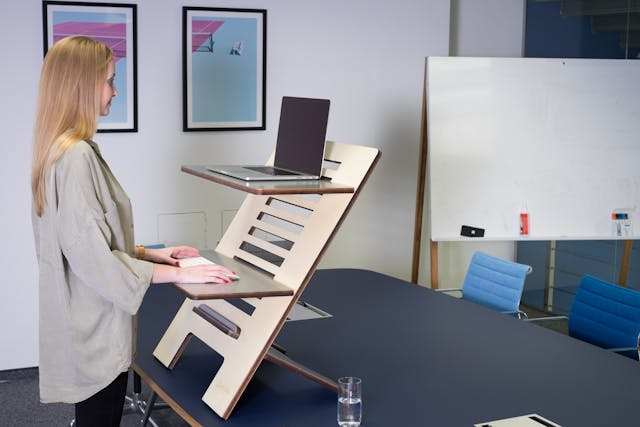
The modern world has transformed the way people work, study, and learn. With the rapid growth of digital technology, remote work, online education, and virtual collaboration, individuals now spend a significant portion of their day in front of computers, laptops, and mobile devices. Students attending online classes, professionals working remotely, freelancers managing projects, and lifelong learners pursuing certifications through platforms like EasyShiksha often find themselves spending hours at a desk.
This shift toward screen-based activities has sparked an important debate in health and productivity circles: Is it better to work while sitting or standing? Over the past decade, standing desks and active workstations have gained popularity as alternatives to traditional seated work environments. Advocates argue that standing promotes better health, reduces the risks associated with prolonged sitting, and increases productivity. On the other hand, sitting remains the most common and comfortable position for extended work sessions, particularly those involving concentration and detailed tasks.
The reality is that both standing and sitting have advantages and limitations. Neither approach is inherently perfect, and the key to maintaining health, focus, and productivity lies in understanding how each affects the body and mind.
For students and professionals using online learning platforms such as EasyShiksha, creating an effective study and work environment is essential for maximizing learning outcomes and maintaining overall well-being. Understanding the impact of posture and workstation habits can help learners improve concentration, reduce fatigue, and develop healthier routines.
This article explores the differences between standing and sitting while working, their respective benefits and drawbacks, and how learners can create balanced work habits that support productivity, health, and academic success.
The Evolution of Modern Work Habits
For much of human history, daily life involved significant physical activity. People worked outdoors, engaged in manual labor, and moved frequently throughout the day. The industrial revolution introduced more structured workplaces, while the digital revolution shifted many jobs toward computer-based tasks.
Today, millions of students and professionals spend extended periods sitting at desks. Online learning, remote work, virtual meetings, and digital communication have increased screen time and reduced physical movement for many individuals.
While technology has created unprecedented educational and professional opportunities, it has also contributed to sedentary lifestyles. This has led researchers, health professionals, and workplace experts to examine the effects of prolonged sitting and explore alternatives such as standing workstations.
EasyShiksha recognizes the importance of healthy learning environments and encourages students to adopt habits that support both educational achievement and physical well-being.
Understanding the Impact of Sitting
Sitting is the default working position for most people. It offers stability, comfort, and support for tasks requiring concentration and precision. Students often sit while attending online classes, completing assignments, reading course materials, and participating in virtual discussions.
From a practical perspective, sitting allows the body to conserve energy and maintain a relaxed posture. Many individuals find it easier to focus on detailed cognitive tasks while seated. However, prolonged sitting can have negative consequences when maintained for extended periods without movement.
Modern lifestyles often involve sitting during work, study sessions, transportation, and leisure activities, resulting in many hours of inactivity each day. Understanding both the advantages and limitations of sitting is essential for making informed decisions about workplace and study habits.
Benefits of Sitting While Working
Sitting provides several advantages that make it suitable for many professional and educational activities.
One of the primary benefits is comfort. Seated positions reduce strain on the legs and feet, allowing individuals to work for longer periods without experiencing physical fatigue. This can be particularly beneficial during intensive learning sessions or tasks that require sustained mental focus.
Sitting also promotes stability. Activities such as writing, coding, designing, data analysis, and detailed reading often benefit from a stable posture that minimizes unnecessary movement. For students enrolled in online courses through EasyShiksha, sitting can support concentration during lectures, assessments, and complex learning activities that require careful attention.
Additionally, ergonomic chairs provide lumbar support and help maintain proper spinal alignment when used correctly. This support can reduce discomfort and improve overall working conditions.
The Challenges of Prolonged Sitting
While sitting offers convenience and comfort, excessive sitting has become a major health concern. Prolonged sedentary behavior is associated with reduced physical activity, muscle stiffness, poor posture, and increased risk of various health conditions. Remaining seated for extended periods can contribute to neck pain, back discomfort, shoulder tension, and reduced flexibility.
Many students and professionals unknowingly adopt poor sitting postures, such as slouching or leaning forward toward screens. Over time, these habits can place additional stress on the spine and musculoskeletal system.
Mental fatigue can also become more pronounced during long periods of uninterrupted sitting. Reduced movement may contribute to decreased energy levels and lower overall engagement. For learners using EasyShiksha for extended study sessions, taking regular movement breaks can help counteract the negative effects of prolonged sitting and improve learning efficiency.
Understanding the Rise of Standing Workstations
The popularity of standing desks has grown significantly in recent years. Many organizations have introduced adjustable workstations that allow employees to alternate between sitting and standing throughout the day.
The standing desk movement emerged largely in response to concerns about sedentary lifestyles and workplace-related health issues. Advocates argue that standing encourages movement, improves posture, and supports healthier working habits.
As remote work and online learning continue to expand, more individuals are exploring standing workstations as alternatives to traditional desk setups. Students pursuing online education through EasyShiksha may also consider standing options as part of creating productive and health-conscious study environments.
Benefits of Standing While Working
Standing while working offers several potential advantages for both physical health and productivity. One notable benefit is increased movement. Individuals who stand are more likely to shift positions, stretch, and engage muscles throughout the day.
This increased activity can help reduce stiffness and improve circulation. Standing may also promote better posture when practiced correctly. Many individuals naturally maintain more upright spinal alignment while standing compared to sitting.
Some studies suggest that standing can enhance alertness and reduce feelings of sluggishness during certain tasks. This may be particularly useful during meetings, brainstorming sessions, or activities requiring active engagement.
For students using EasyShiksha to learn new skills, standing during specific learning activities may help maintain focus and reduce monotony during long study sessions.
Potential Drawbacks of Standing All Day
Despite its benefits, standing is not a perfect solution. Just as prolonged sitting can create challenges, excessive standing can also lead to discomfort and health concerns.
Standing for long periods may place stress on the feet, legs, knees, and lower back. Individuals who remain standing without movement or proper support can experience fatigue and musculoskeletal strain.
Poor standing posture can also contribute to discomfort. Leaning forward, locking the knees, or maintaining static positions for extended durations may create physical stress similar to poor sitting habits.
Additionally, standing requires greater energy expenditure than sitting, which can lead to fatigue if maintained continuously throughout the workday. These limitations highlight the importance of balance rather than replacing sitting entirely with standing.
Productivity Considerations: Standing vs Sitting
Productivity is a critical concern for students and professionals alike. The relationship between posture and productivity is complex and influenced by individual preferences, task types, and working conditions.
Sitting often supports tasks requiring deep concentration, precision, and extended cognitive engagement. Activities such as writing essays, coding software, analyzing data, and studying detailed course materials may feel more comfortable while seated.
Standing may be beneficial for collaborative activities, presentations, creative brainstorming, and tasks that involve frequent interaction or movement. For learners on EasyShiksha, alternating between sitting and standing based on the nature of the learning activity can help maintain energy and focus throughout the day.
Ultimately, productivity depends less on choosing one posture exclusively and more on creating an environment that supports comfort, concentration, and sustained performance.
The Importance of Ergonomics
Whether sitting or standing, ergonomics plays a vital role in maintaining health and productivity. An ergonomic workspace is designed to support natural body alignment and minimize physical strain. Proper monitor height, keyboard placement, chair support, desk positioning, and lighting all contribute to a healthier working environment.
Students using EasyShiksha for online learning should ensure that screens are positioned at eye level, wrists remain neutral while typing, and seating arrangements support proper posture.
For standing workstations, adjustable desk heights and supportive footwear can improve comfort and reduce fatigue. Investing in ergonomic principles often provides greater benefits than focusing solely on whether to sit or stand.
The Role of Movement in Overall Health
One of the most important insights from workplace health research is that movement matters more than posture alone. Both sitting and standing become problematic when maintained continuously for extended periods. Regular movement helps improve circulation, reduce muscle tension, and support overall physical health.
Simple actions such as stretching, walking, changing positions, and performing light exercises throughout the day can significantly improve well-being.
Students engaged in online learning through EasyShiksha can benefit from incorporating movement breaks between lessons, assignments, and study sessions. These habits not only support physical health but may also improve concentration, memory retention, and mental clarity.
Learning Performance and Physical Comfort
Physical comfort directly influences learning effectiveness. Discomfort, pain, and fatigue can interfere with concentration and reduce academic performance.
Creating a comfortable study environment involves more than selecting a chair or standing desk. Factors such as room temperature, lighting, noise levels, hydration, and posture all affect learning outcomes.
EasyShiksha learners who prioritize comfort and ergonomics often experience improved engagement and greater consistency in their educational pursuits. By paying attention to physical well-being, students can create conditions that support sustained learning and professional development.
Balancing Standing and Sitting for Optimal Results
Health experts increasingly recommend a balanced approach that incorporates both sitting and standing throughout the day.
Alternating between positions allows individuals to enjoy the benefits of each while minimizing associated drawbacks. This approach reduces physical strain, encourages movement, and promotes greater comfort.
For example, a student might sit during a detailed online lecture, stand while reviewing notes, and take a short walk before beginning an assignment. Professionals may alternate between sitting for focused work and standing during meetings or collaborative activities.
This balanced strategy aligns well with the flexible learning environment offered by EasyShiksha, where students can customize study habits according to their needs and preferences.
The Future of Work and Learning Environments
As workplaces and educational institutions continue to evolve, greater attention is being given to health-conscious design and employee well-being.
Hybrid work models, remote learning platforms, and flexible workspaces are encouraging individuals to rethink traditional approaches to productivity. Adjustable desks, ergonomic furniture, wellness programs, and active work environments are becoming increasingly common.
Students developing skills through EasyShiksha are preparing for careers in environments that value both performance and well-being. Understanding healthy work habits today can contribute to long-term professional success.
The future of work is likely to emphasize flexibility, movement, and personalized approaches to productivity rather than rigid adherence to any single posture.
How EasyShiksha Supports Healthy Learning Habits
EasyShiksha is committed to helping learners achieve academic and professional success through accessible, flexible, and practical education. As an online learning platform, it recognizes that effective learning depends not only on educational content but also on healthy study habits and productive work environments.
The platform’s self-paced courses allow students to structure learning schedules according to their individual needs. This flexibility makes it easier for learners to incorporate movement breaks, ergonomic practices, and balanced work routines into their daily lives.
EasyShiksha encourages lifelong learning while promoting habits that support physical health, mental well-being, and sustained productivity. By combining quality education with healthy learning strategies, students can maximize both academic performance and overall wellness.
Conclusion
The debate between standing and sitting while working does not have a simple answer because both positions offer unique benefits and limitations. Sitting provides comfort, stability, and support for focused tasks, while standing encourages movement, improves circulation, and may enhance alertness.
Rather than choosing one approach exclusively, the most effective strategy involves balancing sitting, standing, and regular movement throughout the day. This balanced approach supports physical health, reduces discomfort, and promotes sustained productivity.
For students and professionals engaged in online learning through EasyShiksha, developing healthy work habits is essential for achieving educational and career goals. Ergonomic workspaces, movement breaks, proper posture, and flexible study routines contribute significantly to overall success.
As technology continues to shape the future of work and education, understanding how to maintain health and productivity in digital environments becomes increasingly important. By adopting balanced and mindful work habits, learners can enhance their performance, protect their well-being, and build sustainable foundations for lifelong success.
Ultimately, the question is not whether standing is better than sitting or vice versa. The true key to productivity and wellness lies in movement, balance, and creating an environment that supports both learning and health. Through platforms like EasyShiksha and a commitment to healthy habits, individuals can thrive in today’s digital world while maintaining their physical and mental well-being.