 Anshika Jain
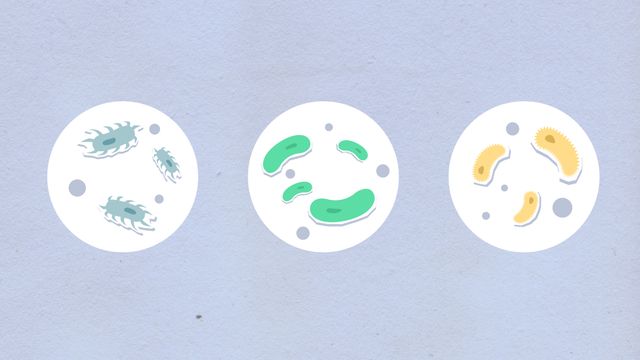
Nutrition is often studied by examining how the human body responds to particular foods, nutrients or dietary patterns. Researchers investigate changes in blood glucose, hormone levels, metabolism, inflammation and other biological indicators to understand the relationship between food and health. However, the human body is not made up of identical cells performing the same functions. Even within a single organ, individual cells can behave differently when exposed to the same nutritional conditions. Some cells may absorb nutrients efficiently, while others may respond more slowly, activate different metabolic pathways or experience greater levels of cellular stress.
This variation creates an important question for modern nutritional science: why do different cells respond differently to the same nutritional environment? Understanding this requires looking beyond average biological measurements and examining what happens at the individual-cell level. This emerging research direction is connected to single-cell biology, which allows scientists to investigate the characteristics and activities of individual cells rather than analysing a large collection of cells as one combined sample.
Artificial intelligence can make this research more powerful by processing the enormous datasets produced by single-cell technologies. AI models can identify patterns in gene expression, cellular metabolism, nutrient transport and molecular signalling that may be difficult to detect through conventional analysis. By connecting these findings with nutritional information, researchers may develop a more detailed understanding of how cells respond to carbohydrates, proteins, fats, vitamins, minerals and other dietary components.
Single-cell nutritional response intelligence is an emerging research concept rather than an established clinical technology. It describes the potential combination of single-cell measurements, nutritional experiments and AI-based analysis to investigate differences in cellular responses. This approach could contribute to personalised nutrition, metabolic research, food science and the development of more precise dietary interventions.
Understanding Single-Cell Nutritional Response Intelligence
Single-cell nutritional response intelligence focuses on examining how individual cells react to changes in their surrounding nutritional environment. Traditional nutritional research often measures the average response of tissues, organs or the entire body. These measurements are valuable, but they may hide differences between individual cells.
For example, when researchers examine a sample of intestinal tissue after exposure to a nutrient, the overall result may indicate an increase in nutrient transport. However, this average measurement may not reveal whether every intestinal cell responded equally. Some cells may show strong changes in nutrient absorption, while others may demonstrate limited activity or activate different molecular pathways.
Single-cell analysis helps separate these responses. Instead of treating the tissue as one uniform biological structure, researchers can examine the characteristics of individual cells. Technologies such as single-cell RNA sequencing can measure gene expression in thousands of individual cells, helping scientists understand which genes are active under particular conditions. Other methods can investigate proteins, cellular metabolites, chromatin activity and spatial organisation within tissues.
When these measurements are combined with information about nutrient exposure, researchers can investigate how different cells respond to the same dietary conditions. AI can then identify recurring response patterns, classify cellular states and explore relationships between molecular activity and nutritional environments.
The objective is not simply to determine whether a nutrient affects a tissue. It is to understand which cells respond, how strongly they respond, what biological processes change and why those responses may differ.
Why Cells Respond Differently to the Same Nutrients
Cells within the same tissue may share genetic information, but they do not necessarily have identical functions or biological conditions. Their location, maturity, metabolic activity, exposure to neighbouring cells and previous environmental experiences can influence how they respond to nutrients.
Cellular specialisation is one important reason for this variation. The intestine, for example, contains different cell types that perform distinct functions. Some intestinal cells are specialised for nutrient absorption, while others contribute to mucus production, immune defence or communication with surrounding tissues. When exposed to the same food-derived compounds, these cells may activate different biological pathways because their functions are not identical.
Differences in gene expression also influence nutritional responses. Although most cells in an individual contain essentially the same DNA, different genes are activated or suppressed depending on the cell’s role and condition. These differences affect the proteins produced by cells and determine how they transport nutrients, generate energy and respond to metabolic signals.
Cellular history can contribute to response variation as well. Previous exposure to high glucose levels, fatty acids, inflammatory signals or nutrient deficiencies may alter how a cell behaves during a later experiment. Researchers describe some of these longer-lasting changes through concepts such as metabolic adaptation and cellular memory. As a result, two cells exposed to the same nutrient concentration may not begin from the same biological state.
The surrounding microenvironment is equally important. Cells receive signals from neighbouring cells, extracellular materials, hormones and immune-related molecules. Even when the nutritional composition of an experimental environment is identical, local differences in these signals can produce different cellular responses. Single-cell research can help investigate these variations in greater detail.
How Single-Cell Technologies Reveal Nutritional Differences
Single-cell research uses several advanced technologies to investigate cellular behaviour. One of the most widely discussed methods is single-cell RNA sequencing, which examines gene activity in individual cells. When a cell encounters a nutrient, it may activate or reduce the expression of genes involved in nutrient transport, energy production, inflammation or cellular repair. By measuring these changes, researchers can investigate which biological pathways are responding to a particular nutritional condition.
Single-cell RNA sequencing is particularly useful because it can reveal differences that disappear in conventional tissue analysis. For example, a sample of intestinal tissue may contain absorptive cells, mucus-producing cells and immune-related cells. A bulk gene-expression measurement combines signals from all these populations. Single-cell analysis can separate them, helping researchers determine whether a dietary compound influences one cell type more strongly than another.
Single-cell proteomics provides another perspective by examining proteins within individual cells. Proteins perform many of the functions that determine how cells respond to their environment, including transporting nutrients, regulating enzymes and transmitting molecular signals. Changes in gene expression do not always translate directly into changes in protein activity, so combining transcriptomic and proteomic information can provide a more complete understanding of cellular responses.
Metabolomics investigates small molecules produced or transformed during cellular activity. At the single-cell level, metabolite measurements may help researchers understand how individual cells use glucose, fatty acids, amino acids and other compounds. These measurements can provide information about energy production and metabolic adaptation. However, single-cell metabolomics remains technically challenging because many metabolites are present in very small quantities and can change rapidly during sample preparation.
Spatial transcriptomics adds an important dimension by preserving information about where cells are located within a tissue. Two cells may have similar molecular characteristics but experience different nutritional conditions because they occupy different tissue environments. Combining spatial information with single-cell analysis can help researchers investigate how location, neighbouring cells and local nutrient availability influence biological responses.
A review published online in November 2025 in Critical Reviews in Food Science and Nutrition highlighted the potential of single-cell omics for investigating nutrient–cell interactions, cell-specific dietary effects and differences between individuals. It also discussed combining these technologies with organoids and organ-on-chip systems to study nutritional processes in more human-relevant experimental environments.
How AI Identifies Patterns in Individual Cellular Responses
Single-cell experiments can produce extremely large datasets. A single tissue sample may contain thousands of cells, with each cell generating information about thousands of genes or other molecular features. When researchers compare multiple nutritional conditions, the volume and complexity of the data increase further. AI can help organise this information and identify patterns that may not be apparent through conventional statistical analysis.
Machine learning algorithms can classify cells according to their molecular characteristics and identify groups that respond similarly to a nutrient. For example, after exposure to a particular fatty acid, some cells may show increased expression of genes associated with lipid processing, while others may display signs of cellular stress. AI can help distinguish these response groups and identify the molecular features associated with each pattern.
Deep learning methods can also analyse complex relationships across multiple data types. A model may combine gene-expression measurements with protein activity, metabolite levels and information about the nutritional treatment. This can help researchers investigate whether a particular combination of molecular changes is associated with a specific cellular response. Such integration is important because nutritional effects rarely depend on one gene or molecule in isolation.
Another useful application is cellular trajectory analysis. Cells can move between different functional states as their environment changes. For example, a cell may initially activate a stress response after nutrient exposure and later adapt by changing its metabolic activity. Computational methods can help reconstruct possible transitions between cellular states from experimental observations. These trajectories can generate hypotheses about how cells adapt over time, although they do not automatically prove the exact sequence of biological events.
AI can also support the discovery of cellular subgroups that respond differently despite sharing the same broad cell identity. This is particularly relevant in tissues such as the liver, intestine and adipose tissue, where cells with similar functions may still differ in their metabolic activity. Identifying these subgroups could help explain why an average tissue response does not always represent what happens within every cell.
Investigating Nutritional Responses Across Different Tissues
Intestinal Cells and Nutrient Absorption
The intestine is an important starting point for single-cell nutritional research because it comes into direct contact with digested food. Its tissue contains several specialised cell populations involved in nutrient absorption, mucus production, immune protection and communication with microorganisms. These cells do not respond identically to dietary compounds.
Researchers can use single-cell methods to investigate how intestinal cells respond to dietary fibre, carbohydrates, fats, plant compounds and food additives. AI may help identify which cell populations change their gene-expression patterns after exposure and whether those changes are associated with nutrient transport, barrier function or inflammatory signalling.
This research could improve understanding of why the same dietary component may produce different effects across intestinal regions or between individuals. It may also help identify cellular mechanisms involved in maintaining intestinal health. However, a cell-level response observed in a laboratory model does not automatically predict digestive symptoms or clinical outcomes in a person.
Liver Cells and Metabolic Processing
The liver contains several specialised cell populations that contribute to nutrient processing, storage, detoxification and metabolic regulation. Different liver cells perform different functions, and their responses to the same nutritional environment may vary.
Single-cell analysis could help researchers investigate how liver cells respond to changes in glucose availability, fatty acids, amino acids and dietary compounds. AI may identify cellular groups associated with lipid accumulation, energy regulation or metabolic stress. These findings could contribute to research into fatty liver disease, insulin resistance and other metabolic conditions.
The ability to distinguish between different liver-cell responses is particularly important because tissue-level measurements can conceal early changes occurring in smaller cellular populations. Identifying these changes may help researchers develop more detailed models of metabolic adaptation.
Adipose Tissue and Fat Storage
Adipose tissue is not simply a storage location for excess energy. It contains fat-storing cells, immune cells, blood vessel-associated cells and other populations involved in metabolic communication. These different cell types contribute to the way the body stores and releases energy.
Single-cell research can investigate how these populations respond to dietary fats, glucose availability and hormonal signals. AI can help classify different cellular states and examine how they change under conditions associated with weight gain, weight loss or metabolic stress. This may improve understanding of why fat tissue behaves differently across individuals and why some metabolic responses are not fully explained by body weight alone.
Pancreatic Cells and Glucose Regulation
The pancreas contains specialised cells that regulate blood glucose through hormone production. In particular, insulin-producing beta cells play an essential role in glucose management. These cells may differ in their ability to respond to changes in glucose availability, cellular stress and metabolic signals.
Single-cell analysis can help researchers examine variations in gene expression and molecular activity among pancreatic cells. AI may identify patterns associated with different levels of cellular activity or stress, providing insights into the biological processes involved in glucose regulation. Such research could support a deeper understanding of the cellular mechanisms associated with diabetes, although it should not be confused with a direct method for predicting an individual’s blood glucose response to a meal.
From Cellular Differences to Personalised Nutrition Research
One of the most promising possibilities of single-cell nutritional response intelligence is its potential contribution to personalised nutrition. Traditional dietary recommendations often use population-level evidence to identify nutritional requirements and general dietary patterns. Although these recommendations are important, they cannot always explain why people with apparently similar lifestyles respond differently to the same food.
Single-cell research could add another layer of biological information by investigating how individual cells respond to dietary components. For example, researchers may compare intestinal or liver-cell responses from different donors after exposure to the same nutrient. If consistent differences are observed, AI could help identify molecular characteristics associated with particular response patterns.
This approach may eventually contribute to identifying biological response groups. Instead of assuming that every individual responds identically to a dietary intervention, researchers could investigate whether certain cellular characteristics are associated with stronger or weaker responses. These findings could help generate more precise hypotheses about nutritional requirements and metabolic differences.
However, cellular information alone cannot determine an individual’s complete dietary needs. Human nutrition is influenced by digestion, physical activity, hormonal regulation, genetics, the gut microbiome, lifestyle and interactions between multiple organs. A meaningful personalised nutrition model would therefore need to combine single-cell findings with clinical measurements, dietary information and other biological data. Even then, recommendations would require validation through studies involving people rather than relying exclusively on laboratory predictions.
Connecting Single-Cell Analysis with Organoids and Organ-on-Chip Systems
A major opportunity for this research lies in combining single-cell technologies with organoids and organ-on-chip systems. Organoids are three-dimensional laboratory structures developed from stem cells or tissue-derived cells. They can reproduce selected characteristics of organs and provide experimental environments for investigating biological processes.
When researchers expose organoids to different nutritional conditions, single-cell analysis can reveal how individual cells within the same structure respond. This can help identify differences in cellular development, metabolic activity and nutrient sensitivity. AI can then analyse these results to identify response patterns across cell populations.
Organ-on-chip systems provide another useful experimental platform. They use microengineered devices to reproduce selected features of human tissues under controlled conditions. When combined with single-cell analysis, these systems may help researchers examine how nutrient exposure, fluid movement and interactions between cell types influence biological responses.
For example, a gut-on-chip model could be exposed to different forms of dietary fibre. Researchers could examine changes in intestinal cell populations and investigate whether particular cells show changes in nutrient transport or barrier-related activity. AI could integrate these measurements with information about the experimental conditions and identify patterns for further investigation.
Connecting these technologies may also make it possible to investigate communication between different tissues. A nutritional compound absorbed by intestinal cells may subsequently influence liver metabolism or other biological processes. Although current experimental models cannot reproduce the complete human body, linked organ systems can help investigate selected stages of these interactions.
Challenges in Developing Reliable AI-Based Cellular Predictions
Despite its scientific potential, single-cell nutritional research faces considerable technical challenges. One major difficulty is the cost and complexity of collecting high-quality single-cell data. Advanced sequencing, imaging and molecular measurement technologies require specialised equipment, trained researchers and carefully controlled experimental procedures. This can limit the number of samples available for research.
Another challenge is biological variability. Individual cells naturally differ in their molecular activity, and these differences may change according to age, tissue condition, environmental exposure and previous nutritional history. Researchers must distinguish meaningful biological variation from technical noise introduced during sample collection, preparation and measurement.
Data standardisation is equally important. Different laboratories may use different sequencing platforms, sample-processing procedures and analytical methods. These variations can produce differences in the resulting datasets even when researchers investigate similar biological questions. AI models trained on one dataset may therefore struggle to produce reliable predictions when applied to data collected through another method.
A further concern is that gene expression does not always reflect actual cellular function. A cell may show increased expression of a gene associated with nutrient metabolism without necessarily demonstrating a corresponding increase in metabolic activity. Combining transcriptomic data with protein measurements, metabolomics and functional experiments can help address this limitation.
AI interpretability also remains important. A model may identify a group of cells as having a particular nutritional response, but researchers need to understand which biological features influenced that classification. Explainable AI techniques may help identify important variables and generate testable hypotheses, but computational explanations must still be supported by experimental evidence.
Finally, there is a risk of overgeneralising findings from laboratory models. A cellular response observed under controlled conditions may not occur in exactly the same way inside a human body. The effects of digestion, blood circulation, hormones, immune activity and microbial metabolism can substantially influence the final nutritional response. Consequently, single-cell predictions should be treated as research findings rather than direct dietary or medical recommendations.
Ethical Considerations and Data Privacy
Single-cell nutritional research may involve sensitive biological information, particularly when researchers use human tissue samples or cells derived from individual donors. Genetic and molecular data can reveal characteristics that may be connected to personal health information. Appropriate consent, secure data management and responsible research practices are therefore essential.
AI models also need diverse datasets. If research relies heavily on samples from a limited population, predictions may not accurately represent individuals with different genetic backgrounds, ages, geographical environments or dietary habits. This could create limitations in the development of personalised nutrition systems.
Researchers must also communicate uncertainty clearly. A cellular response pattern should not be presented as proof that a particular food is beneficial or harmful for every individual. Responsible research requires transparent reporting of experimental conditions, model limitations and the extent to which findings have been validated.
The Future of Single-Cell Nutritional Intelligence
The future of this research will depend on the integration of single-cell sequencing, spatial biology, metabolomics, advanced imaging and AI-based computational systems. Improvements in these technologies may allow researchers to study cellular responses with greater precision and connect molecular changes to specific biological functions.
One promising direction is the development of cell-level nutritional response maps. These maps could describe how different cell populations respond to carbohydrates, proteins, fats, micronutrients and plant-derived compounds under specific experimental conditions. AI could compare these maps across tissues and individuals to identify recurring biological patterns.
Another possibility is the development of nutritional response models that combine single-cell data with microbiome information and clinical measurements. Such models could investigate how interactions between intestinal microorganisms, human cells and dietary compounds influence metabolic processes. This would provide a broader understanding of nutrition than analysing human cells or food composition independently.
Research published in 2025 has already highlighted the potential of single-cell sequencing in nutraceutical research, particularly for investigating cellular diversity and the effects of complex food-derived compounds. The application is still developing, but it demonstrates how methods previously used extensively in pharmaceutical and biomedical research may contribute to nutritional science.
In the coming years, collaboration between nutrition scientists, molecular biologists, bioinformaticians, AI developers and food researchers will be essential. Universities and research institutions can contribute by developing interdisciplinary programmes that combine nutritional biochemistry, single-cell technologies and computational biology. These developments may create new research opportunities in functional foods, metabolic health and precision nutrition.
Conclusion
Single-cell nutritional response intelligence offers a promising way to investigate why different cells respond differently to the same nutritional environment. By examining individual cells rather than relying only on average tissue measurements, researchers can uncover variations in gene expression, protein activity, metabolism and cellular communication. These differences may help explain how nutrients influence biological processes across different tissues.
Artificial intelligence can make this research more effective by identifying patterns across large single-cell datasets, classifying cellular response groups and connecting molecular measurements with nutritional conditions. When combined with organoids, organ-on-chip platforms and multi-omics technologies, it may provide a more detailed understanding of nutrient-related cellular behaviour.
However, the technology is not yet capable of independently determining an individual’s ideal diet or predicting every response to food. Biological complexity, data limitations, technical variability and the need for clinical validation remain significant challenges. Its current value lies primarily in improving scientific understanding and generating hypotheses that can be tested through further research.
As single-cell technologies and AI continue to develop, nutritional science may gradually move beyond studying only average responses and begin examining the biological differences that exist within tissues themselves. This could create a stronger scientific foundation for future personalised nutrition strategies and more precise investigations into the relationship between food, metabolism and human health.