 Anshika Jain
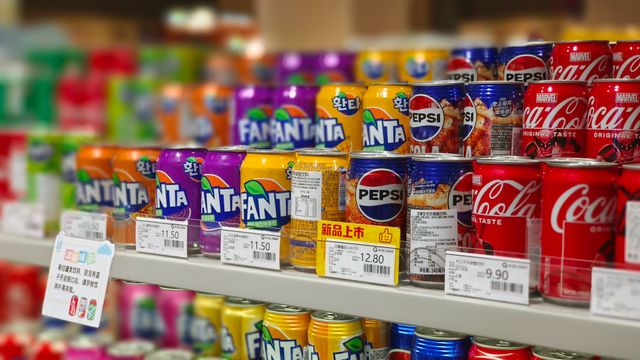
Food labels are designed to help consumers understand what they are buying. They communicate calorie content, serving sizes, carbohydrates, fats, protein, sugar, sodium, vitamins, minerals, and other nutritional details. They may also include statements such as “high protein,” “low fat,” “no added sugar,” “natural,” or “source of fibre” to highlight particular product characteristics. In principle, these details allow consumers to compare products and make informed dietary decisions.
However, a technically accurate nutrition label does not always create an accurate impression of a product’s overall healthfulness. A snack may genuinely contain more protein than a comparable product while also containing substantial added sugar or saturated fat. A beverage may carry a “no added sugar” statement but still contain naturally occurring sugars. A product may be described as “reduced fat” compared with an earlier version without necessarily being low in calories or sugar. Each statement can be factually correct while the overall presentation encourages consumers to reach a broader conclusion that the available information does not support.
This gap between factual accuracy and consumer interpretation creates an important challenge for food science, public health, and artificial intelligence. Nutrition Label Interpretation AI explores whether machine learning models can examine the complete nutritional profile, ingredient list, serving information, and marketing language to identify situations in which an individual claim is accurate but the overall health impression may be incomplete or misleading.
The objective is not simply to check whether a food label contains incorrect numbers. It is to understand how different pieces of information interact, what a typical consumer may infer from them, and whether the product’s prominent claims adequately represent its nutritional composition.
The Difference Between a Correct Claim and an Accurate Health Impression
Why Individual Nutrition Claims Can Be Incomplete
Food manufacturers often highlight one nutritional feature because it provides a clear way to differentiate a product. A protein bar may emphasise its protein content, a breakfast cereal may highlight added vitamins, and a packaged snack may promote reduced sodium. These statements can communicate useful information, but they describe specific attributes rather than the entire nutritional profile.
For example, consider a hypothetical snack containing 12 grams of protein per serving, alongside considerable added sugar and saturated fat. The protein statement may be accurate, but a consumer who interprets “high protein” as meaning that the entire product is healthy could overlook important nutritional considerations.
The same issue appears with comparative claims. A product described as containing 30% less sugar may have less sugar than its original version, but that does not automatically establish that it is low in sugar. The comparison depends on the reference product, while the absolute quantity remains important for evaluating what the consumer actually eats.
A 2026 analysis published in Nature Food examined on-package claims across newly launched packaged foods and beverages from 2015 to 2024. It found that claims such as reduced nutrient content, added beneficial nutrients, functional benefits, and natural characteristics were imperfect indicators of overall nutritional quality. Some products carrying favourable claims still exceeded the study’s thresholds for classification as less healthy.
This finding illustrates the central problem that Nutrition Label Interpretation AI would attempt to address: the truth of an individual statement and the nutritional quality of the complete product are related, but they are not interchangeable.
Understanding the Health Halo Effect
The health halo effect occurs when a positive impression created by one feature influences how consumers evaluate unrelated characteristics of a product. A food labelled “organic,” “high protein,” or “made with whole grains” may be perceived as healthier overall, even when other nutritional characteristics deserve attention.
Research has demonstrated that claims on food packaging can influence perceptions beyond the specific nutrient being described. A study examining front-of-package claims found that a favourable nutrient statement could affect consumers’ ability to recognise a warning about another nutritional characteristic. For example, a reduced-fat claim could interfere with the interpretation of a high-sugar warning.
This is particularly relevant in supermarkets, where purchasing decisions are often made quickly. Consumers may notice large promotional statements before reading the smaller nutrition information panel. The visual prominence of a claim can therefore influence the overall impression more strongly than the detailed nutritional data printed elsewhere on the package.
AI-based label interpretation could help identify these inconsistencies by evaluating the product as a complete information system rather than treating each claim independently.
How Nutrition Label Interpretation AI Could Work
Combining Nutrition Facts, Ingredients, and Marketing Claims
A nutrition label contains several types of information that need to be interpreted together. Nutrition facts describe quantities of nutrients, ingredient lists identify the components used in the product, and packaging claims highlight selected characteristics. Serving-size information provides another important layer because the nutritional values displayed on a package may refer to a quantity smaller than what consumers normally eat.
A Nutrition Label Interpretation AI system could use optical character recognition to extract text from product packaging and natural-language processing to classify statements into categories such as nutrient-content claims, comparative claims, health claims, and general promotional language. It could then connect those statements with the numerical information in the nutrition panel and the ingredients listed on the package.
For instance, if a product prominently states “low sugar,” the system could examine the declared sugar quantity, serving size, relevant ingredients, and applicable regulatory criteria. If the package claims “reduced sugar,” it could look for the reference product or comparison information needed to understand what the reduction actually means.
This approach would be more comprehensive than a basic barcode application that displays calories or a nutrient score. It would attempt to establish whether the highlighted message is consistent with the complete information available on the package.
Detecting Nutritional Imbalances Behind Positive Claims
An AI model could also compare nutrients that are emphasised with nutrients that are less visible in the product’s marketing. A high-protein snack, for example, could be analysed for protein, added sugar, saturated fat, sodium, fibre, and energy content. The model could then explain which aspects of the product are favourable and which require attention.
This does not mean that every food must score well across every nutritional category. Different products serve different dietary purposes, and their nutritional value depends on the wider eating pattern. A cheese product, for example, may provide protein and calcium while also containing saturated fat and sodium. A responsible AI system should explain these trade-offs instead of declaring the product universally good or bad.
The most useful output would be a contextual interpretation. Rather than simply stating that a protein bar is unhealthy, the model could explain that its protein claim is supported by the declared protein quantity, while its added sugar and saturated fat content should also be considered when comparing similar snacks.
Understanding Serving-Size Distortion
Serving size can substantially influence how consumers interpret nutritional information. A product may display relatively modest calorie or sugar values because the declared serving is small, even though the quantity typically consumed is considerably larger.
For example, a package might list nutritional information for 25 grams of a snack, while a consumer may eat 50 grams in one sitting. The consumer could therefore underestimate the nutrients consumed if they do not adjust the values to reflect the actual portion.
AI could identify the declared serving size, compare it with the package’s total quantity, and calculate how the nutritional values change when more than one serving is consumed. It could also explain the difference between per-serving and per-100-gram values when both are available.
This feature would be particularly useful for packaged snacks, breakfast cereals, beverages, and products commonly consumed directly from their containers. However, an AI system should not assume that everyone eats the same quantity. It should present alternative calculations clearly and allow users to enter their actual portion.
Advanced AI Techniques for Detecting Misleading Health Impressions
Natural Language Processing for Claim Interpretation
Natural language processing could help AI distinguish between statements that communicate measurable nutritional facts and those that create broader impressions about health. Terms such as “source of protein,” “reduced sugar,” “supports digestion,” and “natural goodness” do not all make the same type of claim.
A model trained on food-label terminology and regulatory definitions could classify these statements and identify the information needed to evaluate them. It could distinguish a nutrient-content claim from a health-related claim and recognise comparative language that requires a reference product.
This is important because words that appear similar in ordinary conversation may have different regulatory meanings. A statement that a product contains a particular nutrient is not necessarily equivalent to a statement that consuming the product produces a health benefit. AI would need to understand these distinctions before interpreting the packaging.
It could also identify vague promotional wording that does not provide a measurable nutritional detail. Such language should not automatically be treated as false, but the model could explain that it offers limited information about the product’s overall nutritional composition.
Knowledge Graphs for Nutrient Relationships
A more advanced system could use a nutritional knowledge graph to connect nutrients, ingredients, health-related functions, regulatory definitions, and product categories. A knowledge graph represents information as relationships rather than storing each fact independently.
For example, the system could connect a product’s declared sodium content with the applicable nutrient-content criteria, its serving size, and the presence of a front-of-package claim. It could also connect added sugar with the ingredients that contribute to the product’s sweetness.
Such a structure could help identify relationships that are difficult to recognise through simple keyword matching. If a package emphasises a positive characteristic while omitting relevant context, the model could explain why the claim does not establish overall nutritional quality.
The knowledge graph would need to distinguish between established nutritional evidence, regulatory requirements, and emerging research. Otherwise, a model might incorrectly present a preliminary scientific association as a settled health conclusion.
Multimodal AI for Packaging and Visual Design
The health impression of a product does not come from words alone. Packaging colour, imagery, typography, symbols, product names, and the placement of claims can influence how consumers interpret nutritional information.
Multimodal AI could analyse photographs of the front and back of a package together. Computer vision would identify prominent visual elements, while language models would interpret the claims and numerical information. The system could then compare the prominence of the marketing message with the amount of supporting nutritional information.
For example, a package might display a large “protein-rich” message on the front while placing the sugar and saturated-fat information in a smaller nutrition panel on the back. AI could identify this difference in information prominence and explain that the highlighted claim describes only one aspect of the product.
This analysis would not prove that the manufacturer intended to mislead consumers. It would instead identify a possible gap between the impression created by the packaging and the broader nutritional information available to the buyer.
Regulatory Reasoning and Rule-Based Validation
Machine learning alone may not be sufficient for evaluating food-label claims. Some claims depend on specific regulatory definitions, numerical thresholds, comparison requirements, or product categories. A model must therefore combine language understanding with structured regulatory rules.
A rule-based component could check whether the product meets the relevant criteria for a declared nutrient-content claim. A language model could then explain the result in accessible terms. This hybrid approach would help reduce the risk of a system generating confident but unsupported interpretations.
For example, if a product uses a comparative claim such as “less sodium,” the system could identify the need for a suitable comparison. If the reference information is missing from the available package images, it should report that the claim cannot be fully evaluated from the supplied information rather than automatically classifying it as false.
Real-World Applications of Nutrition Label Interpretation AI
Smarter Grocery Shopping
One of the most immediate applications would be an AI assistant that helps consumers compare packaged products while shopping. A user could scan two or more products and receive an explanation of how their nutritional profiles differ.
Instead of recommending a product solely because it contains more protein or less fat, the system could compare serving sizes, energy, added sugars, saturated fat, sodium, fibre, and other relevant nutrients. It could also explain whether a prominent packaging claim provides enough information to support a broader health conclusion.
This could make product comparisons more useful for people who do not have advanced nutrition knowledge. It would also help consumers understand why two products with similar marketing language may have substantially different nutritional profiles.
Personalised Nutrition Interpretation
Nutrition requirements differ according to age, activity, dietary preferences, and individual health circumstances. A label interpretation system could allow users to select their dietary priorities and explain how a product relates to those priorities.
For example, someone trying to monitor sodium intake could receive a more detailed explanation of sodium content, while a person comparing protein-rich snacks could focus on protein quantity, serving size, and other relevant nutrients. The system could also explain when a product contains an ingredient that conflicts with a user’s declared dietary restriction.
However, personalisation should not turn a label scanner into an unqualified medical adviser. AI should avoid diagnosing nutritional deficiencies or making treatment recommendations from packaging information alone. Where medical conditions or specialised diets are involved, professional guidance remains important.
Supporting Nutrition Education
Schools, colleges, nutrition educators, and online learning platforms could use label interpretation tools to teach consumers how to evaluate packaged foods. An interactive system could present a product label and ask learners to identify the difference between a nutrient claim and an overall health statement.
The AI could then explain the relationship between serving size, nutrient quantities, ingredients, and packaging language. Such exercises could improve practical food literacy by allowing learners to examine real product labels rather than memorising definitions in isolation.
This educational application is particularly valuable because label interpretation is a skill that can be used in everyday purchasing decisions. Understanding why “reduced sugar” does not necessarily mean “low sugar” can be more useful than simply learning the definition of the term.
The Indian Context: Why AI-Based Label Interpretation Matters
Understanding FSSAI Labelling Requirements
In India, packaged food labels are governed by the Food Safety and Standards Authority of India (FSSAI), including the Food Safety and Standards (Labelling and Display) Regulations, 2020 and subsequent amendments. These requirements establish how food products communicate information such as nutritional values, ingredients, allergens, and other mandatory declarations. The regulatory framework also includes requirements relating to food advertising and claims.
An important development occurred in May 2025, when FSSAI issued an advisory asking food businesses not to use the term “100%” in food labelling and promotions because it could create misleading impressions of absolute purity or superiority. The authority emphasised that claims should be truthful, unambiguous, meaningful, and not misleading.
FSSAI has also introduced a digital mechanism through which consumers can report misleading or false food-product claims using the Food Safety Connect application or the Food Safety Compliance System. This creates an opportunity for AI tools to support consumer awareness by helping users identify claims that may deserve closer examination.
For an Indian-focused Nutrition Label Interpretation AI, regulatory localisation would be essential. The system would need to recognise Indian food-label formats, common ingredients, regional food names, nutrition declarations, and the applicable FSSAI requirements. A model trained only on American or European packaging could misinterpret Indian products or apply inappropriate regulatory thresholds.
Supporting Consumers Who Read Labels in Different Languages
India’s linguistic diversity creates another important challenge. Nutrition labels may contain English, Hindi, and other regional-language information, while many consumers may be familiar with only some of these formats.
AI-powered optical character recognition and multilingual language models could translate technical nutritional information into simpler explanations. A consumer could photograph a package and receive an understandable description of its sugar content, sodium levels, serving size, ingredients, and highlighted claims.
The system could also explain unfamiliar terms such as maltodextrin, hydrogenated fats, stabilisers, emulsifiers, and different forms of added sugar. Rather than presenting every ingredient as harmful or beneficial, it should explain its function and provide relevant context.
This could make nutrition information more accessible to consumers who otherwise depend primarily on packaging advertisements or promotional statements when choosing products.
Challenges in Building a Reliable Nutrition Label AI
Incomplete and Inconsistent Product Information
A major challenge is that packaging information is not always available in a standard digital format. Different manufacturers use different layouts, fonts, serving-size declarations, and ingredient descriptions. Some labels may be difficult to photograph, while others may contain text that is too small or partially hidden.
An AI system may also encounter missing information. If the product’s full ingredient list or nutritional panel is not visible, it cannot confidently evaluate every claim. The system should identify missing details and communicate the limitations of its analysis rather than filling gaps with assumptions.
Distinguishing Misleading Impressions From Legal Violations
A technically accurate claim that creates an incomplete health impression is not automatically an illegal claim. Regulatory compliance depends on the applicable law, product category, exact wording, evidence requirements, and presentation of the information.
For example, a product may legally qualify for a specific nutrient-content claim while still having a nutritional profile that consumers should evaluate more broadly. AI must distinguish between a claim that appears nutritionally incomplete, one that requires additional information, and one that potentially violates a regulatory requirement.
This distinction is essential. A consumer-facing AI tool should not label a manufacturer or product as fraudulent simply because it identifies a possible health halo. It should explain the evidence, identify uncertainty, and direct users towards the relevant regulatory standards when necessary.
Avoiding Bias in Nutritional Recommendations
AI models can reproduce biases present in their training data. If a system is trained mainly on products from one country, it may misunderstand foods, ingredients, or nutritional patterns from other regions. It may also overvalue certain nutrients while ignoring dietary diversity and cultural eating habits.
For example, an AI model should not automatically consider a traditional food inferior because it does not carry modern promotional claims such as “high protein” or “functional nutrition.” Similarly, it should not assume that a packaged product is healthy merely because it contains added vitamins or minerals.
Reliable interpretation requires balanced nutritional models that consider the complete product, its intended use, portion size, and the wider dietary context.
The Future of Nutrition Label Interpretation AI
The next generation of nutrition technology could move beyond scanning barcodes and displaying nutrient scores. Instead, AI systems could become intelligent label interpreters capable of examining the relationship between packaging claims, ingredient composition, nutritional quantities, serving sizes, and consumer understanding.
Future systems may allow users to scan a product and receive a structured explanation of what its most prominent claims actually mean. A model could identify whether a statement describes an absolute nutrient quantity, a comparison with another product, or a broader health-related benefit. It could then explain what the statement does not establish about the product.
More advanced systems could compare claims against scientific evidence and updated regulatory databases. They could also analyse how visual presentation influences the prominence of particular messages. This would create a more comprehensive approach to evaluating food packaging, although conclusions about consumer interpretation would still need to be validated through behavioural research.
There is also potential for AI-assisted regulatory monitoring. Food authorities and researchers could use automated systems to screen large collections of product labels, identify recurring claim patterns, and prioritise packages that require human review. Such systems could help regulators manage large volumes of information, but final enforcement decisions would remain dependent on legal assessment and appropriate evidence.
The strongest future model would combine computer vision, natural-language processing, nutritional databases, regulatory knowledge graphs, and explainable AI. Its purpose would not be to replace nutrition professionals or food regulators. It would make complex label information easier to understand and help consumers recognise when a favourable statement represents only one part of a much larger nutritional picture.
Conclusion: Can AI Reveal What Food Labels Do Not Explicitly Say?
Nutrition Label Interpretation AI addresses a problem that goes beyond incorrect numbers or false advertising. A food package can contain accurate nutritional values and legally permitted claims while still encouraging consumers to form an incomplete impression of its overall healthfulness.
By analysing ingredient lists, nutrient quantities, serving sizes, comparative statements, promotional language, and packaging design together, AI could help identify these gaps. It could explain why a high-protein claim does not automatically establish overall nutritional quality, why reduced sugar is not necessarily the same as low sugar, and why a product’s most prominent marketing message should not replace a complete examination of its nutrition information.
Research on health halo effects and recent analyses of on-package claims demonstrate why this distinction deserves attention. However, AI models must be carefully developed to avoid confusing nutritional interpretation with regulatory judgement or medical advice.
Ultimately, the value of this technology would lie in helping consumers understand not only what a food label says, but also what its statements actually establish. A more intelligent approach to nutrition labelling could make everyday food choices more informed, transparent, and aligned with the nutritional needs of individuals and communities.