 Anshika Jain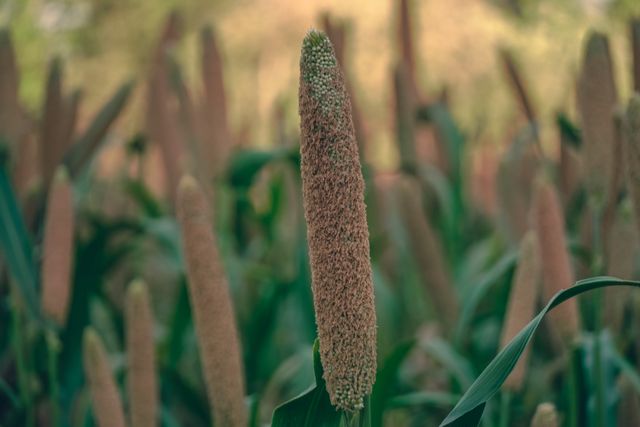
Millets have been an important part of traditional diets for centuries, particularly across India, Africa, and other regions where these hardy cereal crops have supported local food systems. Before refined grains and commercially processed foods became widely available, millets served as a dependable source of nourishment for farming communities and households. Their ability to grow in relatively challenging climatic conditions, combined with their nutritional value and culinary versatility, made them an essential component of everyday meals.
In recent years, millets have gained renewed attention as consumers become more interested in balanced diets, traditional food practices, sustainable agriculture, and locally sourced ingredients. Once associated primarily with rural kitchens and regional cuisines, these grains are now appearing in urban restaurants, health-conscious meal plans, packaged foods, breakfast cereals, and contemporary recipes.
This growing interest reflects a broader shift in how people think about food. Consumers are increasingly looking beyond convenience and taste to consider nutritional quality, environmental impact, and cultural significance. Millets have become part of this conversation because they offer a combination of dietary diversity, traditional culinary knowledge, and agricultural resilience.
However, the growing popularity of millets also raises important questions about their place in modern diets. Are they genuinely beneficial as everyday foods? How do they compare with other grains? Can they be incorporated into familiar meals without changing established eating habits? Understanding the nutritional characteristics, cultural history, and practical uses of millets helps explain why these traditional grains are finding a place in contemporary food culture.
Understanding Millets and Their Traditional Significance
Millets are a diverse group of small-seeded cereal grains belonging to several grass species. They include pearl millet, finger millet, foxtail millet, little millet, kodo millet, barnyard millet, proso millet, and sorghum, although sorghum is sometimes classified separately from the smaller millets.
These crops have historically played an important role in regions where rainfall is uncertain, soils are relatively poor, or growing conditions are challenging. Many millet varieties are well adapted to dry environments and can be cultivated with comparatively limited water requirements, depending on the species and local agricultural practices.
In India, millets have long been associated with regional food traditions. Pearl millet, commonly known as bajra, is widely used in flatbreads and traditional preparations. Finger millet, or ragi, is used in porridges, rotis, and other dishes, while foxtail millet and little millet have traditionally been incorporated into rice-like preparations and regional meals.
These grains were not simply alternatives to wheat or rice. They formed part of established agricultural systems and culinary traditions shaped by local climate, seasonal availability, and community preferences.
The renewed interest in millets therefore represents more than a dietary trend. It also reflects growing recognition of traditional food knowledge and the importance of preserving agricultural and culinary diversity.
Why Millets Are Becoming Popular in Modern Diets
The increasing popularity of millets is connected to changing consumer priorities. Many people are paying closer attention to whole grains, dietary fibre, plant-based foods, and the overall nutritional quality of their meals.
Millets are attracting attention because several varieties contain useful amounts of fibre, minerals, and other nutrients. Their nutritional composition varies by species and processing method, but they can contribute to a diverse and balanced diet when prepared appropriately.
Another reason for their growing popularity is the renewed interest in traditional and locally sourced foods. Consumers are exploring regional ingredients that may have been overlooked as refined grains and convenience foods became more common.
Food manufacturers and restaurants have also contributed to this trend by introducing millet-based breakfast products, snacks, bakery items, ready-to-cook mixes, and contemporary dishes. These products make millets more accessible to people who may not be familiar with traditional preparation methods.
Public awareness campaigns and discussions about agricultural sustainability have further increased interest in millet cultivation and consumption. Together, these factors have helped transform millets from familiar traditional staples into ingredients associated with modern food choices.
Nutritional Value of Millets
Millets provide a range of nutrients, although their nutritional composition differs according to the variety, growing conditions, and processing techniques used.
Many millet varieties contain carbohydrates that provide energy for daily activities. Whole or minimally processed millets can also contribute dietary fibre, which supports normal digestive function and may help improve the overall nutritional quality of meals.
Some millets contain meaningful amounts of minerals such as iron, magnesium, phosphorus, and zinc. Finger millet is particularly recognised for its calcium content, while other varieties provide different combinations of nutrients.
Millets also contain plant compounds, including phenolic compounds and other antioxidants. The amount and availability of these compounds vary between varieties and can be influenced by processing and cooking methods.
However, the nutritional value of a millet-based meal depends on more than the grain itself. Portion size, accompanying foods, preparation methods, and the overall composition of the diet all influence its nutritional contribution.
Millets should therefore be understood as one useful component of a balanced diet rather than as a complete nutritional solution on their own.
The Role of Millets in Digestive Health
Dietary fibre is an important part of a healthy eating pattern because it supports normal bowel function and contributes to digestive health. Many whole-grain millet varieties contain fibre, making them useful ingredients in meals designed to include a variety of plant-based foods.
Fibre can help support regular bowel movements and may contribute to feelings of fullness after meals. Including fibre-rich foods alongside vegetables, fruits, legumes, and other whole grains can help improve the overall quality of a person’s diet.
However, the fibre content of millets varies, and heavily refined or processed millet products may contain less fibre than whole-grain versions. Preparation methods can also influence the texture and digestibility of the final dish.
People who are not accustomed to eating fibre-rich foods may prefer to introduce millets gradually and maintain adequate fluid intake. This can help make dietary changes more comfortable.
Millets are not a treatment for digestive disorders, and individuals with specific gastrointestinal conditions may need personalised dietary advice. Their role is best understood as part of a varied eating pattern that supports general digestive wellbeing.
Millets and Blood Sugar Management
Millets are often discussed in relation to blood sugar management because some varieties contain fibre and have different starch characteristics from refined grain products. However, their effects on blood glucose are not identical across all millet varieties or preparations.
The glycaemic response to a meal depends on several factors, including the type of grain, the degree of processing, cooking time, portion size, and the foods eaten alongside it. A whole-grain preparation may produce a different response from a finely milled or heavily processed millet product.
Combining millets with protein-rich foods, vegetables, legumes, and healthy sources of fat can contribute to a more balanced meal. Such combinations may influence how quickly carbohydrates are digested and absorbed.
It is important not to assume that every millet-based product is automatically suitable for people managing diabetes. Packaged millet snacks, sweetened breakfast cereals, and refined millet flour products may contain added sugars, fats, or other ingredients that affect their overall nutritional profile.
People with diabetes or other conditions affecting blood glucose should consider individual dietary needs and seek professional guidance when making significant changes to their eating patterns.
Millets in Weight-Conscious Eating Patterns
Millets are increasingly included in meals designed to support balanced eating and weight management. Their appeal partly comes from their potential to provide fibre and a satisfying texture while offering an alternative to refined grains.
Foods containing fibre may contribute to feelings of fullness, although the effect depends on the meal’s overall composition and portion size. Including whole grains, vegetables, legumes, and adequate protein can help create meals that are satisfying and nutritionally varied.
However, millets are not inherently low-calorie foods. Like other cereal grains, they provide energy, and the calorie content of a meal depends on portion size and preparation.
A millet-based dish prepared with large amounts of added sugar, oil, or high-calorie toppings may have a very different nutritional profile from a simple preparation served with vegetables and pulses.
Weight management is influenced by several factors, including overall dietary patterns, physical activity, sleep, health conditions, and individual circumstances. Millets can contribute to a balanced eating routine, but they should not be treated as a guaranteed method of weight loss.
Exploring Different Types of Millets
Each millet variety has distinctive nutritional characteristics, textures, flavours, and culinary uses. Understanding these differences can help consumers choose grains that suit their preferences and everyday cooking needs.
Pearl Millet: Bajra
Pearl millet, widely known as bajra in India, is a traditional grain commonly used in flatbreads, porridges, and regional dishes. It has a distinctive flavour and is often consumed during cooler seasons in parts of the country.
Bajra provides carbohydrates, fibre, and minerals, making it a useful component of traditional meals. It can be served with vegetables, lentils, curd, or other accompaniments to create a balanced dish.
Finger Millet: Ragi
Finger millet, commonly called ragi, is recognised for its calcium content and its use in traditional foods. It is frequently prepared as porridge, roti, dosa, and other regional dishes.
Its earthy flavour and versatility have made it popular in both traditional and contemporary recipes. Ragi flour is also used in breakfast preparations and baked products.
Foxtail Millet
Foxtail millet is often used in dishes that resemble rice-based preparations. It can be cooked into a grain bowl, vegetable pulao, or porridge, making it suitable for people looking to introduce different grains into familiar meals.
Its mild flavour allows it to pair well with vegetables, legumes, spices, and other ingredients.
Little Millet and Kodo Millet
Little millet and kodo millet are traditional grains used in a variety of regional preparations. Their small grains can be cooked into porridge, savoury dishes, and rice-like meals.
These varieties offer opportunities to diversify everyday grain consumption while preserving regional food traditions.
Barnyard and Proso Millet
Barnyard millet is used in several traditional preparations, including porridges and savoury dishes. Proso millet is another cereal grain that can be incorporated into grain bowls and other meals.
The suitability of each variety depends on availability, personal taste, cooking methods, and nutritional preferences.
Bringing Millets Into Everyday Meals
One reason millets are becoming more popular is their ability to fit into familiar meals without requiring a complete change in eating habits.
For breakfast, millets can be prepared as porridge with milk or a suitable alternative, fruit, and nuts. They can also be used in savoury preparations such as upma, dosa, or traditional grain-based dishes.
At lunch, cooked millets can replace or complement rice in meals served with vegetables, lentils, curd, or other accompaniments. Millet-based flatbreads can also be included in traditional meals, particularly when paired with protein-rich and fibre-rich foods.
For dinner, millets can be used in khichdi-style preparations, vegetable bowls, soups, and other comforting dishes. Their texture and flavour can be adapted to different cuisines, making them suitable for both traditional and contemporary cooking.
Millets can also be incorporated into snacks and baked products. However, the nutritional quality of these products depends on their ingredients and processing methods. Choosing minimally processed preparations more frequently can help maintain the nutritional benefits associated with whole grains.
Traditional Foods Meet Modern Food Innovation
The renewed interest in millets has encouraged chefs, food businesses, and home cooks to experiment with traditional grains in new ways.
Millet-based pasta, crackers, breakfast cereals, cookies, noodles, and ready-to-cook mixes are becoming more visible in the food market. Restaurants have also begun incorporating millets into salads, grain bowls, fusion dishes, and contemporary interpretations of regional recipes.
These innovations can introduce millets to consumers who may be unfamiliar with traditional preparations. They also create opportunities for farmers, processors, and food entrepreneurs to develop products that reflect changing consumer preferences.
However, the term “millet-based” does not automatically indicate that a product is nutritionally superior. Some packaged foods contain substantial amounts of added sugar, salt, refined ingredients, or fats.
Consumers can make more informed choices by examining ingredient lists, fibre content, serving sizes, and overall nutritional information rather than relying solely on health-related marketing claims.
Millets and Environmental Sustainability
Millets are often discussed as climate-resilient crops because several varieties can grow under conditions that are challenging for some other cereal crops. Depending on the species and farming system, they may require comparatively less water and can perform well in dry or semi-arid regions.
Their adaptability makes them relevant to discussions about agricultural diversification, food security, and climate resilience. Growing a wider range of crops can also reduce dependence on a limited number of staple grains and support agricultural diversity.
In India, millet cultivation has historical connections with rain-fed farming systems and regional food traditions. Renewed demand may create opportunities for farmers and local food businesses, particularly when supported by suitable markets, infrastructure, and agricultural practices.
Nevertheless, the environmental impact of a crop depends on several factors, including local climate, soil conditions, farming methods, irrigation, transportation, processing, and land management. Millets are not automatically sustainable in every context, but they can play a meaningful role in more diverse and resilient food systems.
Challenges in Making Millets a Daily Staple
Despite their growing popularity, millets face several practical challenges in modern diets. Many consumers are unfamiliar with their preparation methods, while others find their textures or flavours different from the grains they regularly eat.
Cooking times, soaking requirements, storage conditions, and flour consistency can vary across millet varieties. These differences may make preparation less convenient for households accustomed to refined rice or wheat products.
Availability and affordability can also influence consumption. Although millet products are increasingly visible in urban markets, access may vary across regions and communities. Processing, packaging, distribution, and consumer demand all affect the price and accessibility of millet-based foods.
Another challenge is the tendency to present millets as a universal solution to health and environmental concerns. Such claims can create unrealistic expectations and overlook the importance of dietary diversity, agricultural context, and individual nutritional needs.
Making millets a practical part of modern diets requires reliable information, accessible products, culinary education, and a balanced understanding of their benefits and limitations.
The Future of Millets in Modern Food Culture
The future of millets will depend on how effectively traditional food knowledge, agricultural systems, and modern food innovation can work together.
Growing consumer interest may encourage more research into millet nutrition, processing methods, crop improvement, and new product development. Food businesses may continue to explore convenient preparations that make millets easier to incorporate into everyday meals.
At the same time, preserving traditional recipes and supporting local producers can help ensure that the renewed popularity of millets benefits the communities that have cultivated and consumed them for generations.
Educational initiatives can also help consumers understand how to prepare different varieties, interpret nutritional information, and distinguish whole-grain products from heavily processed alternatives.
Millets are likely to remain part of broader discussions about balanced diets, food diversity, and agricultural resilience. Their long-term relevance will depend not only on marketing trends but also on practical accessibility, consumer preferences, and their role in diverse food systems.
Conclusion
Millets have moved from being traditional staples to becoming increasingly visible in modern food culture. Their renewed popularity reflects growing interest in whole grains, regional food traditions, nutritional diversity, and sustainable agriculture.
Different millet varieties offer distinct nutritional characteristics and culinary possibilities. They can be incorporated into breakfast dishes, traditional meals, grain bowls, flatbreads, and contemporary recipes, making them versatile ingredients for everyday cooking.
However, the value of millets depends on how they are prepared and how they fit into the overall diet. They are not miracle foods, and no single grain can replace the benefits of a varied and balanced eating pattern.
By combining traditional knowledge with informed food choices, consumers can appreciate millets for their nutritional contribution, cultural significance, and agricultural relevance. Their growing presence in modern diets represents an opportunity to reconnect with traditional grains while adapting them to contemporary lifestyles.