 Anshika Jain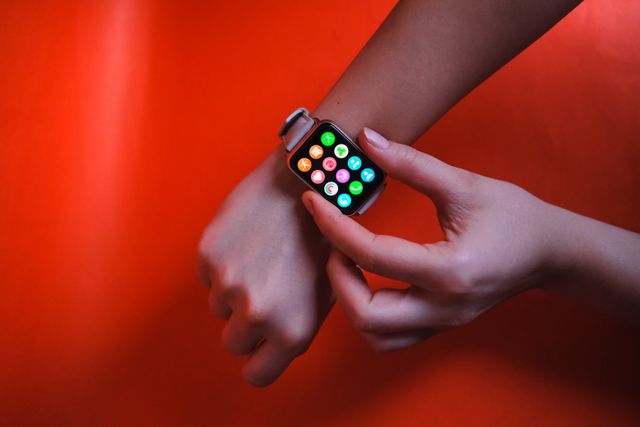
Personal fitness has changed significantly over the last decade. Traditional exercise routines once depended mainly on personal trainers, gym memberships, printed workout plans, and individual discipline. Today, smartphones, smartwatches, fitness bands, and other connected devices have introduced a more technology-driven approach to health and exercise. Among the most important developments in this transformation is the growing use of artificial intelligence in wearable fitness technology.
AI-powered wearable are changing the way people monitor their physical activity, understand their bodies, set fitness goals, and maintain healthy routines. These devices can collect information related to movement, exercise, heart-related measurements, sleep, recovery, and other physical patterns. Artificial intelligence can then analyses this information to identify trends and provide more personalized insights.
The modern fitness journey is no longer limited to counting steps or measuring the duration of a workout. AI is making wearable technology more intelligent by helping users understand what their data may mean. Instead of simply showing numbers, an AI-powered wearable can potentially identify changes in activity patterns, encourage consistency, and provide suggestions that are more closely connected with an individual’s routine.
This development is particularly important because people have different fitness needs. A workout plan that works for one person may not be suitable for another. Lifestyle, age, activity level, personal goals, physical condition, and daily schedule can all influence the way individuals approach fitness.
AI-powered wearable offer the possibility of greater personalisation. By analyzing data over time, these technologies can support more adaptive fitness experiences and help users build routines that fit their individual lifestyles.
However, the growing popularity of AI fitness technology also raises important questions. How accurate are wearable devices? Can users become too dependent on digital health scores? What happens to the personal information collected by these devices? Can AI-generated insights replace professional fitness guidance?
The future of personal fitness may be increasingly connected with artificial intelligence, but technology must be used responsibly. AI-powered wearable can provide valuable support, yet they should complement human judgment rather than replace it.
Understanding AI-Powered Wearable
AI-powered wearable are electronic devices that can be worn on the body and use artificial intelligence to analyses information collected through sensors and connected technologies.
Smartwatches and fitness bands are among the most common examples. These devices can monitor different aspects of physical activity and daily routines. Depending on the technology, they may collect information related to steps, movement, exercise sessions, heart-related measurements, sleep patterns, and other indicators.
Traditional fitness trackers mainly focused on recording information.
AI-powered wearable go further by analyzing that information.
Artificial intelligence can identify patterns and compare current activity with previous behavior. It can help users understand whether their routines are becoming more consistent or whether certain patterns are changing.
For example, a wearable device may recognize that a user has been less active than usual and encourage greater movement. It may identify changes in workout patterns or help users understand recovery periods.
The purpose of AI is to make data more meaningful.
Most people do not need more numbers.
They need useful insights.
AI-powered wearable attempt to transform complex information into guidance that users can understand and apply in everyday life.
From Step Counting to Intelligent Fitness Insights
The earliest generation of fitness trackers focused heavily on basic measurements such as step counts and distance.
While these measurements remain useful, personal fitness is more complex.
Two people may take the same number of steps while having completely different levels of physical fitness.
AI can help create a broader understanding of activity.
By analyzing patterns over time, intelligent wearable devices can provide insights into consistency, exercise behavior, and changes in routine.
For example, instead of simply telling a user how many steps they have taken, an AI system may identify whether activity levels have increased compared with previous weeks.
This makes fitness tracking more meaningful.
Progress is not always about achieving a perfect number.
For some people, progress may mean becoming slightly more active than before.
For others, it may involve maintaining consistency.
AI-powered wearable can support this more personalized understanding.
The focus shifts from isolated numbers to long-term patterns.
Personalized Fitness Through Artificial Intelligence
Personalisation is one of the most important advantages of AI-powered wearable.
Traditional workout plans often provide the same routine to large groups of people.
However, individuals have different needs.
Some people are beginners.
Others have years of exercise experience.
Some prefer walking, while others enjoy strength training or structured workouts.
AI can potentially analyses a user’s existing activity patterns and provide more relevant support.
For example, an AI-powered fitness platform may recognize that a person regularly exercises at certain times of the day.
It can use this information to provide reminders or recommendations that fit the individual’s routine.
AI can also help users create realistic goals.
A person who is just beginning a fitness journey may benefit from gradual improvements.
An AI system can encourage achievable progress rather than unrealistic expectations.
This personalized approach may improve long-term motivation.
Fitness routines are more likely to become sustainable when they fit into real life.
AI and Smarter Workout Recommendations
One of the most exciting applications of AI-powered wearable is the ability to support smarter workout recommendations.
A wearable device can collect information about activity and exercise patterns.
AI can analyses this information and help identify how a person’s routine is changing.
Some fitness technologies may use this information to recommend appropriate workout intensity or suggest periods of rest and recovery.
This can make exercise planning more adaptive.
For example, a person who has been highly active may benefit from additional recovery.
Another individual who has been inactive for several days may need encouragement to return gradually.
AI can help users understand that fitness is not always about doing more.
Rest and recovery can also be important parts of a healthy routine.
This is particularly useful for people who struggle with workout planning.
Instead of following a completely fixed schedule, users may receive guidance that adapts to their recent activity.
However, AI-generated recommendations should still be understood carefully.
Wearable technology may not have complete information about a person’s health, physical condition, or medical needs.
Professional guidance may be necessary, especially for specialized training or health concerns.
Real-Time Feedback During Exercise
AI-powered wearable are also changing how people receive feedback during physical activity.
Traditionally, individuals often had to wait until the end of a workout to review performance.
Modern wearable technology can provide information while the activity is taking place.
Depending on the device and activity, users may receive feedback related to movement, pace, heart-related measurements, or workout intensity.
AI can help interpret this information in real time.
This can allow users to adjust their activity.
For example, an individual may become aware that they are exercising at a different intensity than intended.
Real-time feedback can make workouts feel more interactive.
It can also help people become more aware of their physical effort.
However, users should avoid becoming completely dependent on numbers during exercise.
Technology can provide useful information, but personal comfort and physical awareness remain important.
People should listen to their bodies and seek professional guidance when necessary.
AI and Exercise Form
Correct exercise technique is important for effective and safe physical activity.
Some advanced fitness technologies are beginning to use sensors, cameras, and artificial intelligence to analyses movement patterns.
AI systems may provide feedback about posture or exercise form.
This could make basic fitness guidance more accessible to people who do not have immediate access to professional trainers.
For example, AI-powered fitness applications may analyses certain movements and provide suggestions for improvement.
This technology has significant potential.
However, movement analysis through consumer technology has limitations.
AI may not always understand individual physical conditions or accurately evaluate complex movements.
Professional trainers can observe details that a digital system may miss.
AI-based form analysis should therefore be viewed as supportive technology rather than a complete replacement for expert coaching.
Monitoring Heart-Related Fitness Information
Many modern wearable include sensors that monitor heart-related measurements.
These measurements can provide useful information about exercise intensity and physical activity.
AI can analyses trends over time and help users understand changes in their routines.
For example, users may gain insights into how their bodies respond to different types of activity.
This information can help people understand the relationship between exercise and physical effort.
However, health-related measurements should be interpreted carefully.
Consumer wearable are not always equivalent to professional medical equipment.
Users should not attempt to diagnose themselves based only on information from a device.
Unexpected or concerning results should be discussed with qualified healthcare professionals.
The value of AI lies in supporting awareness and helping users recognize patterns, not replacing medical expertise.
The Importance of Recovery in AI-Driven Fitness
Fitness is not only about exercise.
Recovery is also important.
Muscles and the body need time to recover after physical activity.
People who focus only on increasing workout intensity may overlook the importance of rest.
AI-powered wearable can help users become more aware of recovery patterns.
By analyzing information related to activity and other measurable indicators, AI systems may provide insights into whether a user is maintaining a balanced routine.
This can encourage a healthier approach to exercise.
A personalized system may help users understand that more exercise is not always better.
Sometimes, rest may support long-term performance and consistency.
AI-driven fitness could therefore encourage a more balanced understanding of physical activity.
The goal is not simply to achieve the highest possible activity numbers.
It is to develop routines that are sustainable.
Sleep and Its Connection With Fitness
Sleep plays an important role in physical recovery and overall well-being.
However, many people do not consider sleep when planning their fitness routines.
AI-powered wearable can monitor sleep-related patterns and help users become more aware of their routines.
By analyzing trends, AI may help users recognize changes in sleep schedules.
This information can be useful for understanding overall lifestyle patterns.
For example, an individual may notice that exercise routines and sleep patterns influence each other.
Greater awareness can encourage healthier choices.
However, wearable devices cannot provide a complete medical understanding of sleep.
AI-generated sleep information should not be treated as a diagnosis.
The primary value of these tools is often awareness and routine tracking.
Important sleep concerns should be discussed with qualified healthcare professionals.
AI and Fitness Motivation
Motivation is one of the greatest challenges in personal fitness.
People often begin exercise programmes with enthusiasm but struggle to maintain consistency.
AI-powered wearable can provide continuous support.
They may remind users about goals, recognize achievements, and encourage activity.
A system that tracks long-term progress can also help users recognize improvements that may otherwise go unnoticed.
For example, a person may not realize that their activity has become more consistent over several months.
Seeing this progress can provide motivation.
AI can also encourage users after interruptions.
Missing a few workouts can sometimes lead people to abandon a routine completely.
An intelligent system can help users restart gradually.
This type of support may be more useful than simply showing missed goals.
Technology should encourage progress rather than punish users for inconsistency.
A supportive AI system can make fitness feel more achievable.
AI-Powered Fitness for Beginners
AI-powered wearable may be particularly useful for people who are beginning their fitness journey.
Beginners often struggle with uncertainty.
They may not know how much exercise is appropriate or how to create realistic goals.
AI can provide basic structure.
By analyzing current activity levels, a digital system may help users set achievable targets.
This can reduce the pressure to follow advanced routines immediately.
Gradual progress is important.
A person who begins with manageable changes may be more likely to maintain a routine.
AI can help track this progress and provide encouragement.
However, beginners should still learn basic exercise principles.
Technology can support fitness, but users should understand the importance of proper technique, recovery, and personal safety.
The Role of AI in Long-Term Fitness Progress
Personal fitness is a long-term process.
Short periods of intense effort may produce temporary results, but sustainable habits are often more important.
AI-powered wearable can help users focus on long-term patterns.
Instead of looking only at today’s activity, users can examine progress over weeks and months.
This can create a more realistic understanding of fitness.
A person may experience periods of high activity and periods of lower activity.
Long-term data can show the overall direction of progress.
AI can help interpret these patterns.
This can make goal-setting more meaningful.
Instead of focusing only on short-term achievements, users can develop a broader perspective.
Long-term progress often involves patience.
AI technology can support this mindset by making gradual improvements visible.
AI Fitness Technology and Personal Data
The growing use of AI-powered wearable also creates concerns about personal data.
Fitness devices can collect significant amounts of information about users.
This may include activity patterns, routines, location-related information, and health-related measurements.
This information is highly personal.
Users should understand what data is being collected and how it is being used.
Companies developing AI fitness technologies have a responsibility to protect user information.
Strong security and transparent data practices are essential.
Users should also have meaningful control over privacy settings.
They should understand whether information is stored, shared, or used for other purposes.
Personalisation should not require unlimited access to an individual’s private life.
The future of AI-powered fitness will depend heavily on trust.
People are more likely to benefit from technology when they feel confident that their information is protected.
Accuracy and the Limits of Wearable Technology
AI-powered wearable can provide valuable insights, but they are not perfect.
Sensors can produce inaccurate readings.
Algorithms can misunderstand patterns.
Different devices may produce different results.
Users should therefore avoid treating every measurement as an absolute fact.
Technology should be viewed as one source of information.
Personal awareness and professional advice remain important.
This is particularly true for health-related measurements.
A fitness wearable may provide useful information about trends, but it cannot always explain the reason behind a particular pattern.
If someone experiences concerning symptoms, they should not rely only on a wearable device.
Professional medical guidance remains essential.
Understanding these limitations can help users benefit from technology without becoming overly dependent on it.
Can AI Replace Personal Trainers?
The rise of AI-powered fitness technology raises an important question.
Can artificial intelligence replace personal trainers?
AI can provide personalized suggestions, track progress, and analyses certain patterns.
However, human trainers offer something technology cannot fully reproduce.
A personal trainer can understand an individual’s goals, observe movement directly, respond to changing circumstances, and provide motivation based on human interaction.
Trainers can also adapt their approach based on physical limitations and personal concerns.
AI may become a valuable support tool for fitness professionals.
It can help analyses data and provide additional insights.
The future may involve collaboration between technology and human expertise.
AI can make fitness information more accessible.
Human trainers can provide experience, judgment, and personal guidance.
For many users, this combination may provide the strongest results.
AI and the Accessibility of Personal Fitness
One of the most important benefits of AI-powered wearable is accessibility.
Not everyone can afford a personal trainer or expensive fitness programme.
Wearable technology can provide basic tracking and personalized insights at a more accessible level.
A person may use a smartwatch or fitness device to monitor activity and maintain motivation.
This can help more people engage with fitness.
AI can make the experience more personalized without requiring constant professional supervision.
However, accessibility also depends on technology availability.
Not everyone can afford advanced devices.
The future of AI fitness should consider affordability and inclusion.
Technology should help reduce barriers to healthier living rather than create new inequalities.
Avoiding Obsession With Fitness Numbers
AI-powered wearable can encourage healthy habits, but excessive tracking can sometimes create problems.
Some people may become overly focused on daily scores.
They may feel disappointed if they do not meet every target.
Fitness should not become a constant competition with a device.
Numbers can be useful, but they do not represent every aspect of health.
A person may need rest even if a wearable device suggests another goal.
Someone may feel physically unwell despite receiving positive scores.
Users should therefore maintain balance.
AI should support awareness rather than create pressure.
The healthiest relationship with fitness technology is one where users remain in control.
The Future of AI-Powered Wearable
The future of wearable fitness technology is likely to become increasingly intelligent.
Devices may become better at understanding patterns and adapting to individual routines.
AI systems may provide more personalized workout support and more detailed long-term insights.
Wearable may also become more integrated with other health technologies.
A person’s fitness information could potentially connect with broader wellness platforms.
This may create a more complete understanding of lifestyle patterns.
AI could also become more effective at helping users set realistic goals and maintain consistency.
However, future development must remain responsible.
Privacy, data security, accuracy, and transparency will remain essential.
Users must understand how their information is being used.
Technology companies must avoid making unrealistic claims.
And AI systems should be developed with human well-being as the primary goal.
Conclusion: A Smarter and More Personalized Fitness Journey
AI-powered wearable are transforming personal fitness by making health and exercise technology more intelligent, personalized, and accessible.
Instead of simply recording activity, modern wearable devices can analyses patterns and provide meaningful insights.
They can help users understand long-term progress, maintain motivation, develop consistent routines, and become more aware of the relationship between exercise, recovery, and everyday habits.
The greatest advantage of AI is its ability to personalize support.
People have different lifestyles and fitness goals.
Technology can help individuals move away from one-size-fits-all routines and toward approaches that better reflect their own needs.
AI-powered wearable can also make fitness more accessible.
They can provide basic guidance and tracking to people who may not have access to professional coaching.
For beginners, these tools can offer structure and encouragement.
For experienced users, they can provide long-term insights and detailed progress tracking.
However, AI-powered wearable are not perfect.
They can produce inaccurate information.
They cannot fully understand a person’s health or physical condition.
And they cannot replace the judgment and expertise of qualified professionals.
Privacy is also a major concern.
Users must understand how their personal information is collected and protected.
The future of AI-powered fitness will depend on responsible technology.
The most successful systems will be those that provide useful insights while respecting privacy and keeping users in control.
AI should empower individuals rather than make them dependent on constant monitoring.
The future of personal fitness may become increasingly connected with intelligent technology.
Wearable may become more accurate, more personalized, and more capable of understanding long-term patterns.
But the purpose of these devices should remain simple.
They should help people make healthier choices and build sustainable habits.
Technology can provide information.
AI can identify patterns.
But individuals must still make decisions about their own well-being.
When used responsibly, AI-powered wearable can become valuable partners in personal fitness.
They can encourage movement, support motivation, and help people better understand their progress.