 Anshika Jain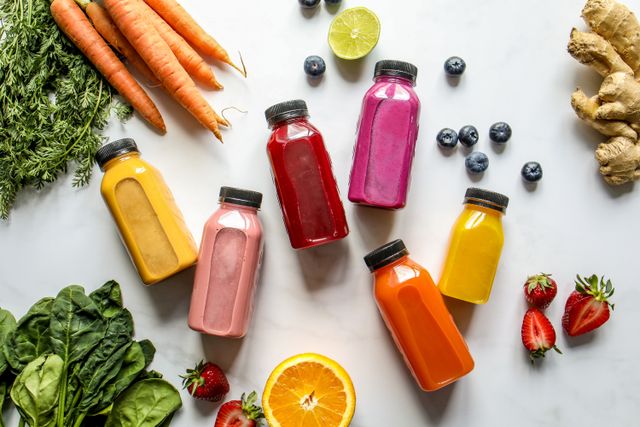
Healthy eating has changed significantly in recent years. For a long time, conversations about nutrition were often dominated by calorie counting, restrictive diets, fasting plans and short-term weight-loss goals. Social media then introduced a new generation of food trends, including detox drinks, green juices, super foods, protein-focused meals, low-carbohydrate diets and elaborate wellness recipes. While some of these trends encouraged people to pay greater attention to what they eat, others created unrealistic expectations about achieving health through a single drink, ingredient or diet.
Today, the conversation is gradually moving in a different direction. Instead of looking for one food that can transform health, more people are becoming interested in balanced meals, adequate nutrition, mindful eating and sustainable food habits. A glass of lemon water or a green smoothie may still be part of someone’s routine, but it is increasingly being viewed as one small component of a broader eating pattern rather than a complete solution.
This shift represents an important change in the way people understand nutrition. Healthy eating is becoming less about following the newest food trend and more about building everyday meals that provide variety, nourishment and satisfaction. In India, this transition is particularly interesting because traditional food already offers a diverse combination of grains, pulses, vegetables, fruits, nuts, seeds, spices and fermented foods.
The Rise of Detox Drinks
Detox drinks became extremely popular through wellness blogs, social media platforms and celebrity fitness culture. Drinks made with lemon, cucumber, mint, ginger, fruits, herbs or other ingredients were often promoted as simple ways to cleanse the body, improve digestion or support weight management.
The appeal of detox drinks is understandable. They are visually attractive, easy to prepare and can encourage people to drink more water. Adding fruit, herbs or spices may also make hydration more enjoyable. However, the idea that a particular drink can remove unspecified “toxins” from the body oversimplifies how human physiology works. The body already has organs and systems, including the liver and kidneys, that play major roles in processing and eliminating waste.
The growing awareness around these limitations has changed the conversation. Rather than treating detox drinks as a replacement for meals or a shortcut to better health, consumers are increasingly viewing them as optional beverages that can complement an otherwise balanced lifestyle.
Moving Beyond Food Fads
Food trends tend to become popular because they offer simple answers to complicated questions. A particular ingredient may suddenly be described as a super food, while another may be presented as something people should completely avoid. Such messages are easy to understand and share, but nutrition is rarely that simple.
The human body needs a range of nutrients, and dietary requirements vary according to factors such as age, activity level, lifestyle and individual circumstances. A single ingredient cannot provide everything a person needs.
This understanding is helping shift attention from isolated foods to overall eating patterns. Instead of asking whether one drink, fruit or grain is “the healthiest,” people are increasingly asking whether their daily meals contain enough variety and whether their eating habits are realistic enough to maintain over time.
The Growing Focus on Balanced Meals
Balanced meals are becoming one of the most important ideas in modern healthy eating. A balanced approach recognises that carbohydrates, proteins, fats, fiber, vitamins and minerals all have roles to play in a nutritious diet.
For an Indian household, this concept does not require completely redesigning traditional food. A meal containing dal, vegetables, roti or rice, along with curd where appropriate and seasonal fruit, can already provide a diverse nutritional foundation. The exact combination can vary according to individual dietary requirements and regional food traditions.
The important change is the emphasis on balance rather than restriction. Instead of eliminating entire categories of food without a specific reason, people are learning to consider portion sizes, food quality, preparation methods and variety.
This approach can also make healthy eating more sustainable because it allows people to enjoy familiar foods while gradually improving the nutritional quality of their meals.
Protein Has Become a Major Nutrition Trend
Protein has become one of the most discussed nutrients in modern food culture. Social media is filled with high-protein breakfasts, protein snacks, protein-rich desserts and meal-preparation ideas.
Greater awareness of protein can be useful because it is an essential nutrient involved in numerous functions in the body. However, the growing popularity of protein-focused eating can sometimes lead to the mistaken belief that more protein is always better.
For plant-based and vegetarian consumers, India offers numerous traditional protein sources. Lentils, chickpeas, kidney beans, peas, soy foods, nuts and seeds can all contribute protein to a varied diet. Combining different foods across meals can make it easier to build nutritionally diverse eating patterns.
The modern protein trend therefore does not necessarily require expensive supplements or highly processed products. Traditional Indian ingredients can remain an important part of a protein-conscious diet.
Traditional Indian Food Is Getting a New Identity
One of the most interesting changes in healthy eating is the renewed appreciation for traditional foods. Ingredients that were once considered ordinary are now being discussed in terms of their nutritional qualities.
Millers are a strong example. Ragi, bajra, jowar and other millets have long been consumed in different parts of India. Their contemporary popularity reflects a broader interest in whole grains, dietary diversity and traditional agricultural foods.
Similarly, pulses, sprouts, seasonal vegetables, fermented foods, nuts and seeds are being incorporated into modern meal plans. Traditional recipes are also being adapted to suit contemporary lifestyles, with changes in portion sizes, cooking techniques and ingredient combinations.
This trend demonstrates that healthy eating does not always require adopting foreign food habits. India’s culinary heritage already contains a wide range of ingredients that can fit into modern nutrition-focused lifestyles.
From Calories to Nutritional Quality
Another major change is the growing awareness that healthy eating involves more than counting calories. Calorie information can be useful in certain contexts, but it does not describe the complete nutritional value of a meal.
Two foods can contain similar amounts of calories while offering very different amounts of protein, fiber, vitamins, minerals and other nutrients. This has encouraged consumers to think more about food quality.
For example, a meal built around vegetables, pulses and whole grains can offer a broader range of nutrients than a highly processed food with a similar calorie value. This does not mean that every processed food must be avoided. Instead, the focus is increasingly shifting toward the overall balance and frequency of different foods.
This change represents a move from numerical dieting toward nutritional awareness.
The Popularity of Whole Foods
Whole and minimally processed foods are increasingly prominent in healthy eating discussions. Fruits, vegetables, legumes, whole grains, nuts and seeds are being recognised as practical foundations for everyday meals.
The attraction of these foods is partly their simplicity. They do not necessarily require complicated recipes or expensive equipment. A seasonal vegetable curry, bowl of dal, fruit, roasted chickpeas or millet-based preparation can become part of a nutritious eating pattern without following a fashionable diet.
For Indian consumers, this can make healthy eating more accessible. Local and seasonal ingredients can often be incorporated into meals without depending on imported health products.
Healthy Eating Is Becoming More Personalised
The modern nutrition conversation is also becoming more individualised. People have different food preferences, activity levels, cultural backgrounds, budgets and nutritional requirements. A diet that works well for one person may not be appropriate for another.
Technology is contributing to this shift. Nutrition applications can help users record meals, monitor dietary patterns and understand nutritional information. Wearable devices can provide data about activity and other lifestyle indicators. Artificial intelligence is also being explored for personalised meal recommendations and food analysis.
However, technology should be treated as a support tool rather than an unquestionable authority. Automated recommendations may not understand a person’s complete nutritional situation, and health-related dietary decisions can require professional guidance.
The future of healthy eating is therefore likely to involve a combination of technology, nutrition knowledge and individual choice.
The Influence of Social Media on Food Choices
Social media has transformed how people discover food. A recipe that once remained within a family or local community can now reach millions of viewers within days.
This has created positive opportunities. People can discover regional recipes, learn cooking techniques and find creative ways to include vegetables, grains and legumes in their meals. Nutrition education can also become more accessible when qualified professionals share reliable information online.
At the same time, social media can encourage unrealistic expectations. Highly edited food photography, extreme diets and dramatic transformation stories can make healthy eating appear more complicated than it needs to be.
The challenge for consumers is learning to distinguish inspiration from evidence. A recipe can be enjoyable without being a miracle health solution, and a popular dietary trend is not automatically appropriate for everyone.
The Shift Toward Mindful Eating
Healthy eating is increasingly being connected with how people eat, not only what they eat. Mindful eating encourages greater awareness of hunger, fullness, taste, eating speed and the experience of meals.
This represents a departure from highly restrictive approaches. Instead of constantly categorising food as “good” or “bad,” mindful eating can encourage people to understand their own habits and develop a more conscious relationship with food.
Eating slowly, reducing distractions during meals and paying attention to hunger and fullness can help people become more aware of their eating patterns. These practices are not about achieving perfection but about making meals more intentional.
For busy urban consumers, this can be particularly relevant. Long working hours and constant digital distractions often encourage people to eat quickly or while working. Creating even small periods of attention around meals can change the overall eating experience.
Convenience Is Shaping Healthy Food Trends
Modern lifestyles have created a demand for food that is both nutritious and convenient. People may understand the importance of balanced meals but still struggle to cook elaborate dishes every day.
This has encouraged the growth of meal-preparation services, ready-to-cook products, healthier snacks, packaged salads and other convenience-focused options. Technology has also made recipes, grocery planning and nutritional information more accessible.
The challenge is ensuring that convenience does not automatically mean excessive processing. A convenient meal can still contain vegetables, legumes, whole grains and other nutritious ingredients. The future of healthy food may therefore depend on finding a practical balance between convenience and nutritional quality.
The Changing Meaning of “Healthy”
Perhaps the biggest change is that the word “healthy” itself is being reconsidered. Earlier food trends often connected health with restriction, thinness or eliminating specific ingredients. Modern nutrition conversations increasingly recognise that health is broader.
A healthy eating pattern can include enjoyment, cultural identity, variety and flexibility. Food is not only fuel; it is also connected to family, celebrations, traditions and social relationships.
In India, this is especially important because food is deeply connected to culture. Festivals, family gatherings and regional traditions involve foods that cannot always be reduced to nutritional numbers. A sustainable approach to healthy eating needs to recognise this reality rather than treating food purely as a mathematical equation.
Sustainability Is Entering the Healthy Eating Conversation
Environmental awareness is also influencing food choices. Consumers are becoming more interested in local ingredients, seasonal produce, food waste and plant-based meals.
Choosing seasonal vegetables, using ingredients efficiently and reducing unnecessary food waste can complement healthy eating habits. Plant-based meals can also provide an opportunity to explore the nutritional diversity of pulses, grains, vegetables, fruits, nuts and seeds.
Sustainability does not mean that every individual must follow exactly the same diet. Instead, it encourages people to think about where their food comes from, how much is wasted and whether their eating habits can be maintained over the long term.
The Future of Healthy Eating in India
The future of healthy eating in India is likely to combine traditional food knowledge with modern nutrition science and technology. Consumers may continue using wellness drinks and discovering new ingredients, but the larger focus is likely to remain on overall dietary patterns.
AI-powered food tracking, smart kitchen technology, personalised nutrition applications and wearable devices could make dietary information more accessible. At the same time, traditional ingredients such as dals, millets, vegetables, fruits, nuts and seeds will continue to provide practical foundations for balanced meals.
The most meaningful change may be the growing understanding that healthy eating does not need to be extreme. It can be built through small, consistent decisions made over time.
Conclusion
The journey from detox drinks to balanced meals reflects a broader transformation in how people think about food and health. Detox beverages, super foods and social-media diet trends have played a role in increasing public interest in nutrition, but they have also shown the limitations of searching for simple solutions to complex health questions.
Today, the focus is increasingly moving toward balanced meals, dietary variety, protein and fiber, whole foods, traditional ingredients, mindful eating and sustainable habits. In India, this shift can draw naturally from a rich culinary heritage that already includes pulses, grains, vegetables, fruits, nuts, seeds and diverse regional recipes.
Healthy eating is ultimately less about following every new trend and more about developing an eating pattern that is nutritious, practical, enjoyable and sustainable. As technology continues to influence food choices, the most valuable trend may be the move toward greater awareness: understanding what we eat, why we eat it and how our everyday meals contribute to our overall lifestyle.