 Anshika Jain
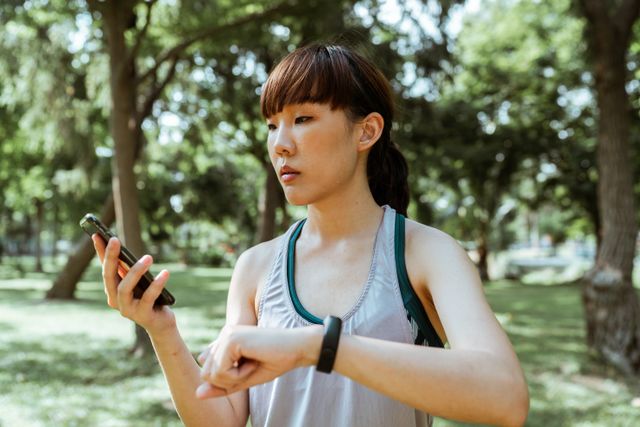
Human performance is not constant. A person may complete an intense workout comfortably on one day but struggle with the same activity the following morning. Concentration, physical endurance, emotional resilience and recovery capacity can change according to sleep quality, stress, nutrition, hydration, physical activity and several internal biological processes. Although people often organise their routines around fixed schedules, their bodies do not necessarily operate at the same level of readiness every day.
This creates an interesting opportunity for artificial intelligence in preventive health, fitness and personal wellness research. Instead of relying exclusively on fixed exercise plans, productivity schedules or general recommendations, AI could potentially develop a Daily Physiological Readiness Map that estimates how prepared different body systems are for the demands of a particular day. Such a system would analyse multiple signals and translate them into an understandable picture of daily physiological capacity.
A readiness map would go beyond a single score indicating whether someone is tired or energetic. It could examine different dimensions of readiness, including cardiovascular recovery, muscular fatigue, sleep-related restoration, stress response, metabolic stability and cognitive performance. The system could then help individuals understand whether their current condition supports demanding exercise, extended concentration, recovery activities or a more balanced schedule.
However, developing such a system would require more than collecting smartwatch measurements. AI would need to understand how different physiological signals interact, recognise individual patterns and distinguish temporary fluctuations from meaningful changes. The objective would not be to determine exactly what a person can or cannot do, but to provide a more informed estimate of daily readiness that supports better decisions.
Understanding the Concept of a Daily Physiological Readiness Map
A Daily Physiological Readiness Map can be understood as a dynamic representation of how prepared different aspects of the body may be for physical, mental and everyday demands. Rather than treating readiness as a single measurement, it would divide the body’s condition into several interconnected dimensions.
For example, an individual may have recovered sufficiently from a previous workout but still experience poor concentration because of inadequate sleep. Another person may feel mentally alert while showing signs of physical fatigue after several days of intense activity. A single readiness score could hide these differences, whereas a multidimensional map could provide a more detailed interpretation.
The system would collect information from wearable devices, activity trackers, sleep monitoring technologies and user-reported observations. It could examine measurements such as resting heart rate, heart rate variability, sleep duration, movement patterns and recent exercise intensity. Depending on the available technology, additional information might include skin temperature trends, respiratory measurements and blood oxygen readings.
AI would analyse these signals in relation to the individual’s previous patterns. Instead of comparing everyone against the same fixed benchmark, it could investigate how a person’s physiological measurements normally change after exercise, insufficient sleep, stressful periods or recovery days.
The resulting map could present separate readiness indicators for physical activity, recovery, concentration and general daily demands. This would offer a more realistic view of how the body may be responding to recent activities and environmental conditions.
Why Daily Physiological Readiness Changes
The human body continuously adjusts to internal and external demands. Physical activity, sleep, nutrition, hydration, emotional stress and environmental conditions can influence physiological functioning. These factors may interact, meaning that the effect of one variable cannot always be understood independently.
Sleep is one of the major influences on daily readiness. Inadequate or disrupted sleep can affect attention, reaction time, mood and physical performance. However, sleep duration alone does not explain the complete recovery process. Sleep timing, continuity and individual sleep patterns may also contribute to how rested someone feels.
Exercise creates another important influence. Physical activity can improve fitness over time, but demanding sessions may temporarily increase fatigue and recovery requirements. The body’s response depends on exercise intensity, duration, training history and the time available for recovery. Repeated high-intensity activity without adequate rest may create accumulated fatigue.
Stress can also influence readiness. Work pressure, emotional challenges and demanding daily responsibilities may affect sleep, cardiovascular activity and perceived energy. A person experiencing prolonged stress may respond differently to the same physical activity compared with someone who has had a relatively restful period.
Nutrition and hydration further contribute to physiological condition. Insufficient food intake, inadequate nutrient availability or dehydration may influence energy levels and physical performance. Environmental conditions such as heat can also increase physiological strain during exercise and other activities.
A readiness map would therefore need to consider the combined influence of these factors rather than interpreting individual measurements in isolation.
How AI Could Collect and Integrate Physiological Data
The foundation of an AI-powered readiness system would be the integration of information from multiple sources. Wearable devices can continuously or periodically collect physiological and behavioural measurements. Smartwatches and fitness trackers may provide information about heart rate, movement, sleep estimates and exercise activity, while specialised devices can measure additional physiological signals.
The system could also incorporate information entered directly by users. A person might report muscle soreness, unusual tiredness, emotional stress or changes in appetite. These subjective observations are important because not every aspect of physiological readiness can be measured accurately through consumer wearables.
AI could combine these different sources into a unified analytical framework. Time-series analysis would allow the system to examine how measurements change across hours, days and weeks. Machine learning could identify relationships between recent activities and subsequent recovery patterns.
For example, the system might learn that an individual frequently experiences elevated resting heart rate and reduced perceived energy after several nights of insufficient sleep. It could also identify that a particular exercise intensity is usually followed by one or two days of increased muscular fatigue.
The purpose of integration would be to create a more complete representation of the person’s current condition. However, the reliability of the map would depend on sensor accuracy, consistent data collection and an understanding of the limitations of each measurement.
The Role of Heart Rate Variability and Cardiovascular Recovery
Heart rate variability, commonly known as HRV, measures variations in the time intervals between consecutive heartbeats. It is often used in research and wearable technologies as one indicator related to autonomic nervous system activity. Changes in HRV may provide information about physiological responses to exercise, stress and recovery.
AI could analyse HRV trends alongside resting heart rate, sleep patterns and recent physical activity. Rather than interpreting one unusually high or low reading as a definitive sign of readiness, it could compare measurements with an individual’s historical baseline.
For example, a system might identify that HRV measurements have remained below a person’s usual range for several consecutive days while resting heart rate has increased. Combined with reports of fatigue and reduced sleep, this pattern could suggest that the individual may benefit from a less demanding exercise session.
However, HRV is influenced by several factors, including measurement conditions, illness, alcohol consumption, stress and individual differences. It cannot independently determine whether someone is physically ready for a particular activity. A readiness model must therefore treat it as one component of a wider physiological picture.
Mapping Sleep, Energy and Recovery Patterns
Sleep analysis could become another central component of a daily readiness map. Modern wearable devices estimate sleep duration and may classify periods of sleep into different stages. Although these estimates are not equivalent to clinical sleep studies, repeated measurements can provide useful information about personal sleep patterns.
AI could investigate how sleep-related measurements correspond with activity levels, perceived fatigue and subsequent performance. For example, it might identify that an individual experiences reduced exercise tolerance after several nights of irregular sleep, even when the total sleep duration appears adequate.
The system could also examine recovery trends across multiple days. A single night of good sleep may not fully reverse the effects of accumulated fatigue. By analysing longer timeframes, AI could distinguish between temporary tiredness and repeated patterns that may require attention.
Energy levels could be incorporated through brief user feedback. Individuals might report whether they feel alert, sluggish, physically tired or mentally exhausted. These observations would allow the system to compare measured physiological indicators with how the person actually experiences their day.
Combining subjective and objective information could make the readiness map more meaningful. A wearable may detect changes in activity or heart rate, but the user’s experience provides additional context about whether those changes are affecting everyday functioning.
Understanding Physical Readiness and Exercise Capacity
One of the most practical applications of a daily physiological readiness map could be exercise planning. Traditional fitness programmes often use fixed training schedules that specify particular activities for particular days. Although structured programmes are useful, they may not always reflect how an individual feels or recovers on a given morning.
AI could compare recent training load with recovery indicators and identify patterns associated with better or poorer exercise responses. Training load may include exercise duration, intensity, frequency and the estimated effort involved in different activities.
For instance, an individual who completed several demanding sessions during the previous week may show signs of increased fatigue. If the system also identifies reduced sleep quality and an unusual change in resting heart rate, it could suggest considering a lighter activity or recovery-focused session.
On another day, the same individual may show stable measurements, adequate recovery and positive subjective feedback. The system could then indicate that the person appears better prepared for a planned workout.
Importantly, physiological readiness is not the same as a direct measurement of exercise capacity. A wearable device cannot reliably determine exactly how much weight someone should lift or how far they can run. The map would provide an estimate of current readiness, not a guarantee of performance or protection against injury.
Mapping Mental Readiness and Cognitive Demands
Physical readiness is only one part of everyday functioning. Mental concentration, decision-making, memory and emotional regulation can also fluctuate. Sleep disruption, stress and demanding schedules may affect cognitive performance even when physical indicators appear normal.
An advanced readiness system could include a separate cognitive readiness dimension. It might examine sleep patterns, activity levels, self-reported concentration and stress indicators to estimate whether the individual is experiencing conditions commonly associated with reduced mental alertness.
For example, a person may have completed sufficient physical recovery but still feel mentally exhausted after several days of intense work. A multidimensional map could represent this difference rather than generating one overall score that suggests complete readiness.
Some future systems might also use short, optional cognitive assessments, such as reaction-time or attention tasks. Repeated results could help establish a personal baseline and identify unusual changes. However, these assessments would need to be designed carefully because performance can be influenced by motivation, familiarity with the task and external distractions.
The purpose would be to help individuals understand how their daily routines relate to concentration and mental energy. Such information could support decisions about scheduling demanding tasks, taking breaks or creating more balanced work periods without claiming to diagnose cognitive conditions.
Personalised AI Models Instead of Universal Readiness Scores
One of the most important advantages of AI could be its ability to learn individual patterns. Two people of the same age and fitness level may respond differently to identical exercise routines, sleep schedules or daily stress.
A universal readiness score may fail to capture these differences. For example, a resting heart rate that is normal for one individual may be unusual for another. Similarly, HRV values can vary substantially between people, making direct comparisons potentially misleading.
Personalised models could establish an individual’s baseline using repeated observations. They would examine how physiological measurements change under different conditions and how those changes relate to reported fatigue, exercise performance and recovery.
Over time, the model could become more sensitive to meaningful deviations from the individual’s normal patterns. It might recognise that a particular combination of reduced sleep, elevated resting heart rate and increased training load frequently occurs before the person experiences unusually high fatigue.
Personalisation would also require regular model evaluation. People’s routines, fitness levels, health circumstances and environments can change. A model trained on earlier patterns may become less accurate if it does not adapt appropriately. Systems would therefore need mechanisms to update baselines while avoiding the assumption that every change is a problem.
What a Daily Physiological Readiness Map Could Look Like
The user interface could present readiness through a visual dashboard divided into separate physiological dimensions. Instead of displaying a complicated collection of sensor readings, it could translate information into understandable categories that show where the person appears well recovered and where additional caution may be useful.
A physical readiness section might summarise recent exercise load, cardiovascular trends and reported muscular fatigue. A recovery section could represent sleep patterns and changes in resting measurements. A mental readiness section might combine self-reported concentration with relevant sleep and stress indicators.
The system could then present a daily interpretation explaining which measurements influenced the assessment. For example, it might indicate that physical readiness appears relatively stable, while recovery indicators are below the person’s usual baseline because of several nights of disrupted sleep.
This explanation would be more useful than a score without context. Users should be able to understand whether a recommendation is based on sleep changes, recent training load or another measurement.
The map could also distinguish between confidence levels. If a person has limited wearable data or inconsistent measurements, the system should communicate that its assessment is uncertain. It should not present incomplete information as a precise evaluation of the body’s condition.
Challenges and Limitations of AI-Based Readiness Mapping
Developing a reliable physiological readiness system would involve significant scientific and technical challenges. The first is measurement accuracy. Consumer wearables use different sensors and algorithms, and their estimates may vary according to device design, wearing conditions and individual characteristics. Poor-quality data can lead to misleading conclusions.
Another challenge is interpreting relationships between physiological signals. A change in resting heart rate could be associated with exercise, stress, environmental temperature or other factors. AI may identify a pattern without knowing which factor caused it. This makes context and scientific validation essential.
There is also a risk of excessive dependence on readiness scores. Individuals may begin to treat an AI-generated assessment as an instruction rather than one source of information. A low score should not automatically prevent someone from performing ordinary activities, and a high score should not be interpreted as proof that intense exercise is safe.
Privacy is another important consideration. Physiological data can reveal sensitive information about daily routines, sleep, stress and health-related behaviour. Systems must use secure data storage, transparent consent procedures and appropriate access controls.
Finally, AI models should not replace medical evaluation. Persistent fatigue, unusual heart rate changes, breathing difficulties or other concerning symptoms require appropriate professional assessment. A readiness map is best understood as a wellness and activity-planning support tool, not a diagnostic system.
The Future of Daily Physiological Readiness Intelligence
Future developments may make readiness mapping more comprehensive by connecting wearable measurements with environmental and behavioural information. Temperature, air quality, travel, changes in daily schedules and exercise conditions could help explain why physiological responses differ from one day to another.
Advanced models may also become better at recognising interactions between multiple factors. Instead of treating sleep, stress and exercise as separate variables, they could investigate how combinations of these influences relate to individual recovery patterns.
Another potential direction is the development of predictive readiness models. These systems could estimate how a demanding activity might affect recovery based on previous responses. For example, they might investigate whether an individual typically requires additional recovery after a particular training load or whether late-night activity is associated with poorer sleep measurements.
Such predictions would need to be evaluated through carefully designed studies rather than accepted simply because an algorithm produces them. Researchers would need to test whether the recommendations actually improve relevant outcomes, such as training consistency, recovery, sleep behaviour or users’ understanding of their routines.
Educational platforms can also help prepare learners for this emerging field. Students studying artificial intelligence, data science, sports science and healthcare technology could explore how wearable datasets are collected, cleaned and analysed. Projects involving time-series data, personalised baselines and predictive modelling would provide practical experience in applying computational methods to real-world physiological questions.
The long-term objective would be to develop systems that help people understand their changing physiological condition without reducing health to a single number.
Conclusion
A Daily Physiological Readiness Map could represent an important development in the use of AI for personalised wellness and activity planning. By analysing sleep, heart rate variability, recent exercise, stress indicators and user-reported energy, AI could help create a more detailed picture of how prepared different aspects of the body may be for everyday demands.
Its greatest value would come from recognising that readiness is multidimensional and changes over time. A person may be physically recovered but mentally tired, or mentally alert while still experiencing signs of physical fatigue. Understanding these differences could help individuals make more informed decisions about exercise, recovery and daily scheduling.
However, reliable readiness intelligence would require accurate measurements, personalised baselines, transparent explanations and scientific validation. AI should not determine human capability with absolute certainty or replace medical advice. Instead, it could serve as a decision-support system that helps people interpret physiological information and respond more thoughtfully to their changing needs.
As wearable technologies and computational health research advance, daily readiness mapping may become a useful way to connect biological signals with everyday decisions. The future of personalised wellness could therefore move beyond asking how active a person should be and begin exploring a more meaningful question: what kind of activity is appropriate for the body’s current condition?