 Anshika Jain
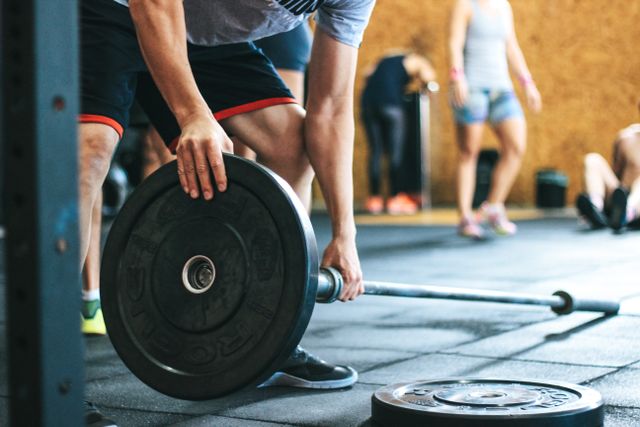
Fitness tracking has become increasingly sophisticated. Smartwatches can record steps, heart rate and estimated calorie expenditure, while fitness applications can monitor workout frequency, exercise duration and changes in body weight. However, these measurements do not always explain what the human body can physically perform. Someone may complete a particular number of squats, lift a certain weight or walk a specific distance, but these activities do not provide a complete picture of the strength, endurance, coordination and functional ability of individual muscle groups.
This creates an opportunity for a new concept in artificial intelligence: the Muscle Capacity Passport. It would be a personalised digital record designed to track what different muscle groups can actually perform under defined conditions. Instead of presenting fitness through a single score or general activity level, the system would build a more detailed profile of muscular capabilities, including strength, endurance, movement control, flexibility-related performance and recovery patterns.
Artificial intelligence could make this concept more useful by combining information from strength tests, movement analysis, wearable sensors, exercise records and functional assessments. Over time, the platform could identify changes in individual muscle groups, recognise performance imbalances and help users understand which physical capabilities are improving or require further attention. The passport would not simply record how much someone exercises. It would attempt to describe what their muscles are capable of doing and how those capabilities change over time.
Although a fully integrated Muscle Capacity Passport is a proposed concept rather than an established standard, its foundations already exist in sports biomechanics, rehabilitation technology, digital health monitoring and machine learning. Bringing these areas together could create a more personalised approach to understanding physical performance.
What Is a Muscle Capacity Passport?
A Muscle Capacity Passport would be a digital performance record that describes the functional capabilities of different muscle groups. It could maintain separate profiles for the upper body, lower body and core, while also examining more specific muscle groups such as the quadriceps, hamstrings, gluteal muscles, calves, chest, back, shoulders, biceps and triceps.
The central idea is to move beyond general fitness measurements. For example, a conventional fitness application might record that a person completed three sets of squats using a particular weight. A Muscle Capacity Passport could provide additional context by analysing the movement pattern, repetitions, range of motion, movement speed, stability and consistency across the sets. It could then estimate how the individual’s lower-body performance compares with their previous assessments.
The passport would also distinguish between different forms of muscular ability. Maximum strength describes the ability to produce high force, while muscular endurance concerns the ability to sustain or repeat contractions over time. Power relates to producing force quickly, and functional capacity describes how effectively muscles contribute to everyday movements such as standing, climbing stairs, lifting objects and maintaining balance.
These capabilities are related, but they are not interchangeable. Someone may have considerable strength in a controlled gym exercise but struggle with balance or coordination during a complex movement. Another person may have good muscular endurance but relatively limited maximum strength. A detailed passport could represent these differences instead of reducing physical ability to a single fitness score.
Why Measuring Individual Muscle Groups Matters
The human body functions through coordinated muscular systems. Most everyday movements involve several muscles working together rather than one muscle operating independently. Walking, for example, requires coordinated activity across the hips, thighs, lower legs and trunk. Lifting an object involves the arms, shoulders, back and core, with different muscles contributing according to the position and weight of the object.
Although muscles work together, their individual capacities can differ. A person may have strong quadriceps but comparatively limited hamstring endurance. Someone who frequently trains the chest and shoulders may have a different upper-body performance profile from someone whose routine focuses on pulling movements. These differences may not be obvious when fitness is measured only through body weight, workout duration or total exercise volume.
A muscle-specific assessment could help reveal these variations. By examining performance across multiple exercises and movement patterns, an intelligent system might identify that a particular muscle group contributes less effectively during certain tasks. It could also observe whether performance changes are consistent across several assessments or appear only during one exercise.
This information could be valuable in strength training, rehabilitation and general fitness planning. However, the system would need to recognise that movement performance cannot always be attributed to one muscle. A squat, for example, involves several muscle groups, joints and coordination strategies. AI could estimate the contribution of different muscles using suitable measurement techniques, but it should not claim to directly measure individual muscle strength from a simple video.
How Artificial Intelligence Could Build the Passport
The development of a Muscle Capacity Passport would begin with a baseline assessment. Users could complete selected exercises and functional movement tests under standardised conditions. These might include controlled squats, push-ups, grip-strength assessments, step-ups, calf raises, balance tasks and other movements appropriate to their age, experience and physical condition.
The system would collect information about how the user performs each task. A smartphone camera could record body position and movement patterns, while wearable sensors could measure acceleration, rotation and movement timing. If available, force sensors or connected exercise equipment could provide information about the force produced during specific movements. The platform could then process these measurements to establish an initial performance profile.
Machine learning models would analyse the collected data and identify patterns across different assessments. Instead of relying on one exercise to represent an entire muscle group, the system could combine results from several movements that involve overlapping muscles. This would provide a broader estimate of functional capacity.
The passport would then be updated through repeated assessments. If the user improves their squat performance, the system could examine whether the improvement is associated with greater movement control, increased resistance or improved endurance. It could also compare results with earlier assessments to distinguish genuine progress from temporary variations caused by fatigue, unfamiliarity or inconsistent testing conditions.
The most important feature would be the ability to maintain a historical record. Rather than showing only the user’s current performance, the passport could illustrate how each capability develops over weeks, months and years.
The Different Capabilities a Muscle Capacity Passport Could Track
Muscle Strength and Force Production
Strength would be one of the main components of the passport. It describes the ability of a muscle or group of muscles to generate force against resistance. Traditional assessments may use manual muscle testing, handgrip dynamometers, isokinetic equipment or controlled resistance exercises. Each method measures a different aspect of muscular performance, so the passport would need to record the assessment method alongside the result.
For example, a grip-strength test could provide information about hand and forearm performance, while a controlled leg-extension assessment could help evaluate knee-extensor strength. The AI system could track these results over time and compare them under similar testing conditions. It could also recognise when a result is not directly comparable because the equipment, resistance or testing position has changed.
Muscular Endurance
Muscular endurance describes the ability to maintain or repeat muscular effort over a period of time. It could be assessed through standardised repetition tests, sustained contractions or carefully controlled functional activities. For example, the platform might record how many technically acceptable repetitions a person completes during a specified exercise or how long they can maintain a particular position.
AI could analyse changes in repetition speed, movement consistency and the ability to complete the task without significant deterioration in technique. These measurements could help distinguish between completing more repetitions and performing those repetitions with consistent control.
Muscle Power
Muscle power involves producing force quickly and is especially important for movements such as jumping, accelerating, climbing stairs and rapidly changing direction. It is different from maximum strength because the speed of force production matters. A person may be capable of lifting a heavy weight slowly but may have less ability to generate force quickly.
A passport could include suitable power assessments, such as validated jump tests or controlled movement measurements using force platforms and motion sensors. Computer vision might estimate jump height and movement timing, while more advanced equipment could measure force directly. The system could then track changes in explosive performance without assuming that strength and power always improve together.
Mobility, Stability and Movement Control
Muscle capacity is not limited to how much force a person can produce. Muscles also contribute to joint control, posture and coordinated movement. A person may have adequate strength but experience difficulty maintaining balance, controlling a single-leg movement or completing an exercise through a consistent range of motion.
The passport could therefore include movement-quality assessments. Computer vision and inertial sensors might analyse joint positions, movement symmetry, balance and the consistency of repeated actions. These measures would help describe how effectively the muscular system supports functional movement.
Mobility and flexibility would need to be recorded carefully because they are influenced by joint structure, connective tissues, nervous system responses and other factors, not only muscle capacity. The system should therefore treat them as related functional measures rather than direct measurements of muscle strength.
The Technology Behind AI-Based Muscle Assessment
A reliable Muscle Capacity Passport would require several technologies working together. Computer vision could provide a convenient starting point because many users already have access to smartphone cameras. Pose-estimation algorithms can identify body landmarks, such as the shoulders, elbows, hips, knees and ankles, and track how these points move during an exercise.
This information could help estimate movement range, joint angles, repetition timing and posture changes. For example, a computer vision system might analyse whether a person’s knee position changes significantly across repeated squats or whether the depth of the movement remains consistent. However, camera-based analysis has limitations. Lighting, camera position, clothing, body shape and movements outside the camera’s field of view can affect accuracy.
Wearable inertial measurement units could provide additional information. These devices typically use accelerometers and gyroscopes to record acceleration and angular velocity. When positioned appropriately, they can help describe movement speed, direction and timing. Machine learning models could analyse these signals to classify exercises, estimate movement patterns and detect changes in performance.
Surface electromyography, commonly known as sEMG, offers another possible source of information. It records electrical activity associated with muscle activation through electrodes placed on the skin. AI could analyse these signals to examine activation patterns and changes during movement. However, electrical activation is not the same as direct measurement of force. Electrode placement, skin conditions, movement artefacts and individual physiological differences can influence the readings.
Force plates, dynamometers and specialised strength-testing equipment could provide more direct mechanical measurements. Combining these technologies with AI would allow the passport to distinguish between estimated performance and measurements obtained through validated equipment.
An Example of a Muscle Capacity Passport in Practice
Consider an individual who has been exercising regularly for six months. Their fitness application records workout frequency, total training time and the weights used during strength sessions. Although these details show consistency, they do not explain whether different muscle groups are developing equally.
The individual completes a baseline assessment using a combination of bodyweight exercises, controlled resistance tests and movement analysis. The system creates an initial profile covering upper-body pushing performance, pulling performance, lower-body strength, muscular endurance, grip strength and movement stability. Each result is linked to the exercise, testing conditions and equipment used.
After eight weeks, the user repeats the assessments. The AI platform identifies an improvement in lower-body endurance and grip strength, while upper-body pushing performance remains relatively unchanged. It also observes that movement consistency during certain exercises has improved. Instead of declaring the entire body stronger or weaker, the passport presents these changes separately.
The platform could then help the user and their trainer review the existing exercise programme. They might decide to examine training frequency, technique, recovery and exercise selection for the muscle groups showing limited progress. If the system identifies an unusual performance decline, it could recommend repeating the assessment under standardised conditions or seeking professional evaluation when appropriate.
This example demonstrates the main value of the passport: it turns fitness tracking into a more detailed record of physical capability rather than simply counting completed workouts.
How the Passport Could Personalise Strength Training
A major application of the system would be personalised training design. Many workout plans are organised around broad goals such as muscle growth, weight management, general fitness or athletic performance. However, individuals with the same goal may have different muscular strengths, movement abilities and training histories.
An AI-based passport could help identify these differences. If a user demonstrates stronger performance in certain movement patterns but limited endurance in others, the platform could provide information that helps a trainer review the balance of the programme. It could also track whether a particular muscle group responds to training over time.
The system might recommend a reassessment when progress appears inconsistent rather than automatically increasing exercise intensity. For example, a decline in performance could be associated with inadequate recovery, changes in technique, illness, stress or measurement variation. AI may identify patterns worth investigating, but it cannot determine the exact cause without additional information and appropriate professional assessment.
Training recommendations should also account for individual goals. An older adult seeking to maintain everyday independence may value chair-rise performance, balance and walking capacity more than maximum lifting strength. An athlete may require more detailed power and sport-specific movement assessments. A rehabilitation patient may need carefully supervised measurements linked to a clinician’s treatment plan.
The passport could therefore become a flexible record that adapts its assessment priorities to the user’s objectives instead of applying one universal fitness standard.
Applications in Physiotherapy and Rehabilitation
The concept could be particularly valuable in rehabilitation, where tracking functional improvement is often as important as recording symptoms. Following an injury, surgery or period of reduced activity, an individual may regain movement gradually, but the recovery of strength, endurance and coordination may occur at different rates.
A digital muscle capacity record could help physiotherapists compare functional assessments over time. For example, it might track changes in grip strength, knee-extension performance, balance and controlled movement during rehabilitation. If measurements are collected using consistent protocols, the system could provide a clearer record of progress between appointments.
AI could also support the identification of movement changes that deserve closer examination. If one side of the body consistently performs differently during a standardised task, the platform could flag the difference for professional review. However, asymmetry is not automatically a sign of injury or dysfunction. Natural differences exist between individuals, and the meaning of an observed imbalance depends on the person’s history, activity and clinical condition.
The passport should never replace a physiotherapist’s examination or independently decide when a patient is ready to return to sport. Its role would be to organise measurements, identify trends and support communication between the user and healthcare professional.
Tracking Muscle Development Across Different Life Stages
Muscle capacity changes throughout life. Childhood and adolescence involve growth and physical development, adulthood may bring changes associated with training and lifestyle, while ageing can influence muscle strength, power and functional performance. A long-term digital record could help people understand these changes through repeated, age-appropriate assessments.
For younger individuals, the system would need to use developmentally appropriate measures and avoid inappropriate comparisons with adult performance standards. For adults, it could help track the effects of training, inactivity or changing work demands. For older adults, it might focus on capabilities connected with daily independence, such as standing from a chair, climbing steps, carrying objects and maintaining balance.
A particularly useful feature would be the ability to distinguish between improvement in exercise performance and improvement in everyday function. Increasing the weight used in a gym exercise does not automatically mean that every functional ability has improved. The passport could therefore include both structured strength tests and practical movement assessments.
Such longitudinal information might also support research into muscular ageing and physical function. However, researchers would need to protect personal data and validate the measurements before using them to draw conclusions about population health.
Challenges in Building a Reliable Muscle Capacity Passport
The greatest challenge would be measurement accuracy. A smartphone camera can estimate movement, but it cannot directly measure the force generated by every muscle. A wearable sensor may record movement speed, but that information alone cannot establish how much force a particular muscle produces. Similarly, surface electromyography provides information about electrical activation, not a direct reading of muscular strength.
The system would therefore need to label each measurement according to how it was obtained. A result derived from video analysis should not be presented as equivalent to a force measurement from a validated dynamometer. Separating measured values, estimated values and model-generated predictions would be essential for building trust.
Another challenge would be standardisation. Muscle performance can change depending on exercise technique, equipment, warm-up, fatigue, testing time and rest periods. If a user performs a squat assessment with different depth or resistance each time, comparing the results may be misleading. The passport would need repeatable testing protocols and clear records of the conditions under which each assessment was completed.
AI models would also require diverse training data. A system developed mainly using young, healthy athletes may not perform reliably for older adults, beginners, people with disabilities or individuals recovering from injury. Research in wearable-based strength monitoring has identified limited sample diversity and insufficient external validation as important barriers to real-world application.
Finally, the platform would need to protect sensitive physical and health-related information. Users should understand what data is collected, how it is processed and who can access their records. They should also have control over sharing their passport with trainers, clinics or other services.
The Future of a Portable Digital Muscle Identity
A mature Muscle Capacity Passport could eventually become a portable record that follows an individual across different fitness environments. Instead of relying on separate records from gyms, sports centres and rehabilitation clinics, a user could maintain a structured history of their muscular performance. With appropriate consent, a trainer or physiotherapist could review relevant information and understand how the person’s capabilities have changed.
The passport could also support more connected fitness services. Smart gym equipment might automatically record resistance, repetitions and movement speed, while wearable sensors could contribute information about activity and recovery. AI could combine these measurements into a continuously updated performance profile. The user would still complete periodic standardised assessments because everyday activity data cannot replace every form of strength testing.
Future versions might include digital muscle models that represent the relationship between individual muscle groups, joints and functional movements. Such models could help explain why a particular movement is difficult or why performance changes under different conditions. However, they would need validated biomechanical information rather than relying entirely on visual estimates.
The long-term opportunity is to create a more meaningful understanding of physical ability. Fitness would no longer be represented only by body weight, workout frequency or the number of calories recorded by a device. It could also include a structured description of what a person can lift, sustain, control and perform, together with evidence showing how those abilities develop.
Conclusion
An AI-powered Muscle Capacity Passport could transform fitness tracking by focusing on the actual capabilities of individual muscle groups. By combining movement analysis, strength assessments, wearable sensors, exercise records and machine learning, it could create a detailed digital profile of muscular strength, endurance, power and functional performance.
Its value would come from tracking changes over time rather than relying on a single fitness score. Individuals could understand their progress more clearly, trainers could review programme effectiveness, and physiotherapists could use structured measurements to support rehabilitation assessments. The system could also make fitness information more relevant to different ages, abilities and physical goals.
However, its success would depend on scientific validation, standardised assessment methods, diverse training data and transparent reporting. AI-generated estimates must not be confused with direct measurements or clinical diagnoses. A muscle group cannot always be evaluated in isolation, and functional performance depends on coordination between muscles, joints and the nervous system.
Ultimately, the Muscle Capacity Passport represents a possible shift from tracking how much people exercise to understanding what their bodies can actually do. By connecting artificial intelligence with biomechanics and personalised fitness assessment, it could create a more detailed, measurable and adaptable record of human physical capability.