 Anshika Jain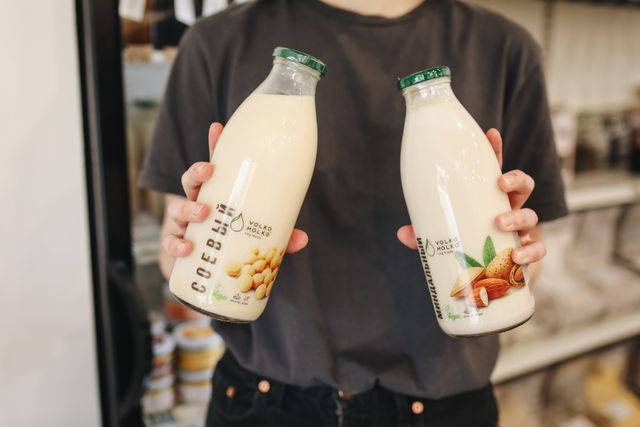
Walk into a supermarket, coffee shop, or online grocery store today, and the traditional dairy shelf looks very different from what it did a decade ago. Alongside regular cow’s milk, consumers can now find almond milk, soy milk, oat milk, coconut milk, cashew milk, rice milk, pea milk and several other plant-based alternatives. What was once considered a niche product for people avoiding dairy has increasingly become part of mainstream food culture.
The growing popularity of plant-based milk reflects a broader change in how people think about food, health, sustainability and personal lifestyle choices. Consumers are becoming more interested in understanding where their food comes from, what it contains and how their everyday choices may affect the environment. At the same time, improvements in food technology have made plant-based beverages more convenient, accessible and similar in taste and texture to familiar dairy products.
The trend is not being driven by one single factor. Health considerations, lactose intolerance, vegan and vegetarian lifestyles, environmental concerns, changing consumer preferences, social media, product innovation and the expansion of cafe culture are all contributing to the growth of plant-based milk. In India and other markets, the availability of locally familiar ingredients such as soy, coconut, oats, almonds and millets is also creating opportunities for new variations.
Understanding this trend requires looking beyond the simple question of whether plant-based milk is better than dairy milk. Different products have different nutritional profiles, ingredients, prices and environmental considerations. The real story is about why consumers increasingly want more choices and how the modern food industry is responding to that demand.
What Is Plant-Based Milk?
Plant-based milk is a beverage made primarily from plant ingredients and designed to be used in ways similar to dairy milk. Depending on the product, the base ingredient may be a grain, legume, nut, seed or fruit. Soy milk is made from soybeans, almond milk from almonds, oat milk from oats, rice milk from rice, coconut milk from coconut, and pea milk from yellow peas.
These beverages are generally produced by processing the plant ingredient with water and then filtering or homogenising the mixture. Commercial products may also contain ingredients such as oils, stabilisers, emulsifiers, vitamins, minerals, flavorings or sweeteners. Some are fortified with nutrients such as calcium and vitamin B12 to make them more nutritionally comparable to dairy milk.
The term “milk” is often used because these beverages serve similar culinary purposes. They can be consumed with breakfast cereals, added to tea and coffee, used in smoothies, incorporated into desserts or included in cooking and baking. However, their nutritional characteristics can vary considerably, meaning consumers should not assume that every plant-based beverage provides the same benefits.
Health and Nutrition Are Major Drivers
One of the most important reasons behind the increasing interest in plant-based milk is the growing focus on nutrition and personal health. Consumers are paying greater attention to ingredients, sugar content, protein, fat, fibre and added nutrients when choosing everyday foods and beverages.
For people who have difficulty digesting lactose, plant-based milk can provide an alternative to conventional dairy milk. Lactose intolerance is relatively common in many populations, including parts of Asia, and avoiding or reducing lactose can make certain plant-based beverages useful dietary alternatives. However, lactose intolerance is different from a milk allergy, and individual dietary needs can vary.
The nutritional appeal of plant-based milk also depends heavily on the type selected. Soy milk, for example, can provide a meaningful amount of protein, while some almond or rice beverages may contain considerably less protein. Fortified products can contribute calcium and vitamins to the diet, but consumers need to check the nutrition label rather than assuming that all products are nutritionally equivalent.
This increasing awareness is changing the way people approach packaged beverages. Instead of choosing products only according to taste, consumers are increasingly asking questions about ingredients, nutritional value and suitability for their individual lifestyles.
The Rise of Vegetarian and Vegan Lifestyles
The expansion of vegetarian and vegan lifestyles has also contributed significantly to the popularity of plant-based milk. While vegetarian diets have long been common in countries such as India, veganism has gained greater visibility internationally through social media, restaurants, food brands and changing consumer attitudes.
For people following a vegan lifestyle, plant-based milk offers a practical substitute for dairy. It can be used in breakfast foods, beverages, baking and cooking without requiring major changes to everyday routines. This convenience has helped make plant-based alternatives more accessible to consumers who want to reduce their consumption of animal-derived products without giving up familiar foods.
Importantly, not every person buying plant-based milk identifies as vegan. Many consumers are adopting a flexible approach sometimes described as “flexitarian,” in which they continue eating some animal products while reducing their overall consumption. For these consumers, replacing dairy milk occasionally may be an easier starting point than making a complete dietary change.
This shift toward flexibility has expanded the potential market for plant-based beverages. The consumer base is no longer limited to people following strict dietary philosophies. It increasingly includes people who simply want variety.
Environmental Concerns Are Influencing Purchasing Decisions
Environmental awareness is another important factor behind the plant-based milk trend. Consumers are increasingly interested in the environmental impact associated with food production, including land use, water consumption, greenhouse gas emissions and resource requirements.
Dairy production involves livestock, feed production, land and water resources, as well as methane emissions from cattle. Plant-based beverages generally avoid the direct livestock component of dairy production. However, environmental comparisons between different plant-based milks are more complicated than simply describing all plant-based products as environmentally friendly.
Different crops have different environmental footprints, and agricultural practices, processing, packaging and transportation also matter. Almond production, for example, has frequently been discussed in relation to water use, while other plant ingredients raise different sustainability considerations. Packaging can also contribute to a product’s overall environmental impact.
As a result, environmentally conscious consumers are becoming more interested in the complete life cycle of food products. The plant-based milk trend is therefore part of a wider movement toward more sustainable food systems rather than simply a straightforward replacement of dairy with plants.
Oat Milk and the Changing Coffee Culture
One of the most visible developments in the plant-based milk market has been the rise of oat milk. Its creamy texture and relatively neutral flavour have made it particularly popular in coffee-based beverages. Cafes and coffee chains have increasingly offered plant-based options, making alternative milk more visible to mainstream consumers.
Coffee culture has played an important role in normalising these products. A customer who may never have purchased plant-based milk for home use may first encounter oat or almond milk through a cafe latte or cappuccino. Once consumers become familiar with the taste and texture, they may begin purchasing the product for home consumption.
The relationship between specialty coffee and plant-based milk also demonstrates how food trends can spread. A product does not necessarily become mainstream simply because it is promoted as healthy or sustainable. Taste, convenience and the social experience surrounding the product can be equally important.
Food Technology Is Improving Taste and Texture
Earlier generations of plant-based beverages sometimes struggled to reproduce the taste, texture and functionality consumers expected from dairy milk. Modern food technology has helped narrow that gap.
Manufacturers are experimenting with different plant ingredients, processing techniques and formulations to create beverages that work better in coffee, cooking and baking. Barista-style products, for example, are specifically formulated to produce a smoother texture and better performance when steamed or foamed.
This innovation is important because consumers generally do not want to sacrifice convenience when trying a new product. A plant-based beverage that tastes good but performs poorly in everyday applications may struggle to achieve repeat purchases. Better formulations have therefore helped transform plant-based milk from an alternative product into a practical everyday option.
The industry is also exploring combinations of plant ingredients. Blended beverages may combine different sources to improve flavour, protein content, texture or nutritional characteristics. Such innovation is likely to remain an important part of the category’s development.
Social Media Is Making Alternative Milk More Visible
Social media has accelerated the spread of food trends by allowing consumers to discover new products almost instantly. Plant-based milk has benefited from this environment because it is closely connected with several highly visible lifestyle trends, including vegan cooking, fitness, wellness, sustainability and specialty coffee.
A visually appealing oat milk latte, smoothie or plant-based dessert can quickly become part of online food culture. Influencers, chefs, fitness creators and food bloggers frequently introduce their audiences to alternative ingredients and recipes.
Social media also makes experimentation easier. Consumers can find recipes showing how to use plant-based milk in pancakes, smoothies, coffee, desserts, sauces and homemade drinks. As people discover practical applications, the product becomes less unfamiliar.
However, social media can also simplify complex nutritional questions. Not every product promoted online is automatically healthier, and marketing claims should not replace careful evaluation of ingredients and nutrition information. Consumers benefit most when they use social media for inspiration while making food choices based on reliable information.
The Importance of Product Variety
Another factor driving the trend is the sheer variety available to consumers. In the past, someone looking for a dairy alternative might have had only one or two options. Today, the range is significantly broader.
Almond milk is often chosen for its mild flavour and light texture. Soy milk is valued by many consumers for its relatively high protein content. Oat milk has become popular for its creamy mouthfeel and use in coffee. Coconut-based beverages offer a distinctive flavour, while rice and other grain-based options provide additional choices.
This variety allows consumers to choose products according to taste, nutrition, dietary requirements and cooking preferences. It also encourages competition among manufacturers, which can lead to improvements in formulations, packaging and accessibility.
The growing number of choices reflects a broader transformation in the food industry. Consumers increasingly expect products to accommodate different dietary preferences rather than requiring everyone to follow the same food pattern.
Plant-Based Milk and the Indian Market
India presents an especially interesting environment for the growth of plant-based beverages. The country has a long history of vegetarian eating and a diverse culinary tradition based on grains, legumes, nuts, seeds and other plant ingredients.
Soy, coconut, almonds, oats and other ingredients can already be found in familiar Indian foods and beverages. This cultural familiarity may help reduce the perception that plant-based milk is entirely foreign or experimental.
At the same time, affordability remains an important consideration. Plant-based milk can be more expensive than conventional dairy milk, particularly when it is imported or positioned as a premium health product. For wider adoption, manufacturers may need to focus on local sourcing, efficient production and products designed around Indian consumer preferences.
The growth of cafés, modern grocery stores, e-commerce and health-focused food brands is also making alternative beverages easier to discover. Younger consumers in particular are increasingly exposed to international food trends while also experimenting with traditional ingredients in new forms.
The Role of Convenience
Modern lifestyles have made convenience a major factor in food choices. Consumers often look for products that require little preparation and can fit easily into busy routines.
Plant-based milk is convenient because it can be used directly from the package. Shelf-stable varieties can also be stored for extended periods before opening, depending on the product. This makes them useful for households that want to keep an alternative milk option available without purchasing fresh dairy frequently.
Convenience extends beyond storage. Plant-based beverages can be incorporated into familiar recipes without requiring consumers to completely change how they eat. A person can continue making coffee, cereal, smoothies or desserts while simply changing one ingredient.
This ability to fit into existing routines is one of the strongest characteristics of successful food trends. Consumers may be interested in health or sustainability, but products become mainstream when they are also easy to use.
Not Every Plant-Based Milk Is Automatically Healthier
The growing popularity of plant-based milk has also created the need for more informed consumer choices. The phrase “plant-based” does not automatically mean that a product is nutritionally superior.
Some products contain added sugars, while others are unsweetened. Protein content can differ substantially. Some products are fortified with calcium and vitamins, while others may provide fewer nutrients. Ingredients used to improve flavour and texture can also vary between brands.
For this reason, consumers should look beyond the front of the package and examine the nutrition panel and ingredient list. An unsweetened, fortified product may serve a very different nutritional purpose from a sweetened flavoured beverage.
Portion size and the rest of the diet also matter. Plant-based milk should be viewed as one component of an overall eating pattern rather than as a health solution by itself.
The Bigger Trend: Personalised Food Choices
Perhaps the most important reason plant-based milk is becoming popular is that modern consumers increasingly want food choices that fit their individual needs.
There is no single diet that works identically for every person. Some people prefer dairy, some avoid lactose, some choose plant-based products for ethical reasons, and others simply enjoy the taste. Consumers may also switch between different options depending on the occasion.
This flexibility is changing the relationship people have with food. Instead of asking whether dairy or plant-based milk is universally “better,” consumers are increasingly considering which product fits their dietary requirements, nutritional goals, taste preferences, budget and lifestyle.
The plant-based milk market reflects this movement toward personalisation. The availability of multiple options gives consumers greater control over everyday food decisions.
What the Future Could Look Like
The plant-based milk category is likely to continue evolving as manufacturers respond to changing consumer expectations. Future products may focus increasingly on protein, improved nutritional profiles, lower sugar content, better taste and more sustainable sourcing.
Technology could also play a role in creating new plant-based ingredients and improving production efficiency. At the same time, consumers are likely to demand greater transparency about sourcing, processing, nutrition and environmental impact.
The future may not involve plant-based milk completely replacing dairy. Instead, both categories may coexist as consumers move between products according to personal preferences and circumstances. The more significant change is that consumers now have a much wider range of choices than they did in the past.
This shift could also influence the wider food industry. As plant-based alternatives become more mainstream, restaurants, cafés, schools, workplaces and food manufacturers may increasingly consider diverse beverage options as part of their menus and product lines.
Conclusion
The growing popularity of plant-based milk is the result of several trends coming together. Health awareness, lactose intolerance, vegetarian and vegan lifestyles, environmental concerns, food technology, coffee culture, social media, convenience and product variety are all helping shape consumer demand.
The movement also represents a broader transformation in modern food culture. Consumers are no longer limited to choosing between a small number of traditional products. They increasingly expect food and beverages to accommodate different nutritional needs, lifestyles, tastes and values.
At the same time, the rise of plant-based milk highlights the importance of making informed choices. Different products have different nutritional and environmental characteristics, and “plant-based” alone does not tell the entire story. Reading labels, comparing nutritional information and considering individual dietary needs remain important.
Ultimately, the plant-based milk trend is less about one beverage replacing another and more about the expansion of consumer choice. As food technology improves and people become more conscious of what they eat, plant-based milk is likely to remain an important part of the changing food landscape.