 Anshika Jain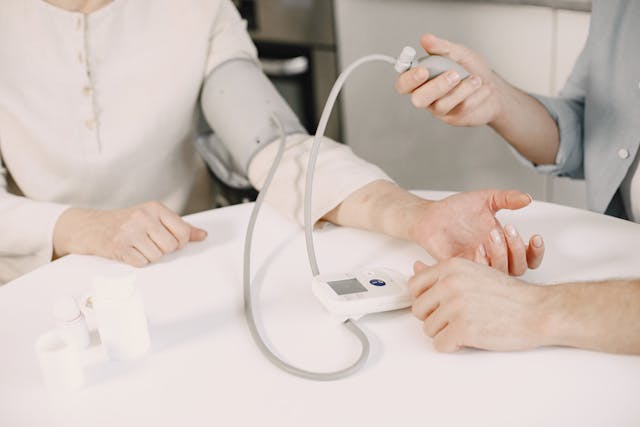
In an era where healthcare systems are increasingly burdened by chronic illnesses and lifestyle-related conditions, the importance of preventive care has never been more evident. Among the most effective tools in preventive healthcare are regular health checkups. These routine evaluations, often overlooked or postponed, play a crucial role in identifying potential health risks, detecting diseases at an early stage, and promoting long-term well-being. Rather than being reactive—seeking medical attention only when symptoms arise—regular health checkups encourage a proactive approach that prioritizes early intervention and sustained health management.
Understanding Preventive Healthcare
Preventive healthcare is centered on the idea of maintaining health and preventing disease before it manifests or progresses. It encompasses a wide range of practices, including vaccinations, lifestyle modifications, screenings, and routine medical examinations. Regular health checkups are a cornerstone of this approach, as they provide a structured opportunity for individuals to assess their overall health status and address potential concerns before they become serious.
The concept is simple yet powerful: early detection often leads to more effective treatment. Many diseases, such as hypertension, diabetes, and certain cancers, develop gradually and may not present noticeable symptoms in their early stages. Without routine checkups, these conditions can go undiagnosed until they reach an advanced stage, making treatment more complex and less effective.
Early Detection and Timely Intervention
One of the primary benefits of regular health checkups is the ability to detect diseases early. Screening tests and diagnostic evaluations conducted during these visits can identify abnormalities that might otherwise go unnoticed. For instance, elevated blood pressure readings may indicate the onset of Hypertension, while abnormal blood sugar levels can signal early Type 2 Diabetes.
Early detection significantly improves the chances of successful treatment and reduces the risk of complications. In the case of Cancer, routine screenings such as mammograms, colonoscopies, and Pap smears can identify precancerous changes or early-stage tumors, allowing for timely intervention. This not only enhances survival rates but also reduces the need for aggressive treatments.
Monitoring Chronic Conditions
For individuals already diagnosed with chronic illnesses, regular health checkups are essential for effective disease management. Conditions such as Diabetes Mellitus and cardiovascular diseases require ongoing monitoring to ensure that treatment plans remain effective and complications are minimized.
Routine visits allow healthcare providers to track key health indicators, adjust medications, and provide guidance on lifestyle modifications. This continuous monitoring helps prevent disease progression and improves quality of life. Moreover, it empowers patients to take an active role in managing their health, fostering a sense of accountability and awareness.
Risk Assessment and Personalized Care
Regular health checkups also provide an opportunity for comprehensive risk assessment. Factors such as age, family history, lifestyle, and environmental influences are carefully evaluated to determine an individual’s susceptibility to various diseases. Based on this assessment, healthcare providers can recommend personalized preventive measures tailored to specific needs.
For example, individuals with a family history of heart disease may be advised to undergo more frequent screenings and adopt heart-healthy habits. Similarly, those at risk of osteoporosis may benefit from bone density tests and dietary adjustments. This personalized approach ensures that preventive care is both relevant and effective, addressing the unique health profile of each individual.
Promoting Healthy Lifestyle Choices
Beyond diagnostics and screenings, regular health checkups serve as a platform for health education. During these visits, healthcare professionals provide valuable guidance on nutrition, physical activity, stress management, and other lifestyle factors that influence overall health.
Lifestyle-related diseases are among the leading causes of morbidity and mortality worldwide. Conditions such as obesity, diabetes, and cardiovascular disease are often linked to poor dietary habits, physical inactivity, and chronic stress. By addressing these factors during routine checkups, healthcare providers can help individuals make informed choices that reduce their risk of developing such conditions.
This preventive approach not only improves individual health outcomes but also contributes to broader public health goals by reducing the prevalence of lifestyle-related diseases.
The Economic Benefits of Prevention
From an economic perspective, regular health checkups can lead to significant cost savings for both individuals and healthcare systems. Treating advanced-stage diseases often involves expensive procedures, prolonged hospital stays, and complex interventions. In contrast, preventive care and early treatment are generally more cost-effective.
By identifying health issues early, regular checkups can reduce the need for costly treatments and hospitalizations. This not only alleviates financial burdens but also ensures more efficient utilization of healthcare resources. In the long term, investing in preventive care can lead to a healthier population and a more sustainable healthcare system.
Mental Health and Emotional Well-Being
The benefits of regular health checkups extend beyond physical health to include mental and emotional well-being. Routine visits provide an opportunity to discuss psychological concerns, such as stress, anxiety, and depression, which are increasingly prevalent in modern society.
Early identification of mental health issues allows for timely intervention, whether through counseling, therapy, or lifestyle adjustments. Addressing these concerns proactively can prevent them from escalating into more severe conditions, thereby improving overall quality of life.
Moreover, the reassurance that comes from knowing one’s health status can reduce anxiety and promote a sense of security. This psychological benefit is often underestimated but plays a vital role in holistic well-being.
Building a Relationship with Healthcare Providers
Regular health checkups facilitate the development of a strong and trusting relationship between individuals and their healthcare providers. This continuity of care ensures that medical history, preferences, and concerns are well understood, leading to more effective and personalized treatment.
A consistent relationship with a healthcare provider also encourages open communication, making it easier to discuss sensitive issues and seek guidance. This trust is particularly important in preventive care, where adherence to recommendations and lifestyle changes is essential for success.
Overcoming Barriers to Regular Checkups
Despite their numerous benefits, many individuals do not prioritize regular health checkups. Common barriers include lack of awareness, time constraints, financial concerns, and fear of diagnosis. Addressing these challenges requires a multifaceted approach that includes education, accessibility, and supportive healthcare policies.
Raising awareness about the importance of preventive care is crucial. Public health campaigns and community initiatives can play a significant role in encouraging individuals to adopt regular checkups as part of their routine. Additionally, improving access to affordable healthcare services can help overcome financial barriers.
Employers and organizations can also contribute by promoting workplace wellness programs and providing health checkup benefits. By creating an environment that supports preventive care, it becomes easier for individuals to prioritize their health.
The Role of Technology in Modern Checkups
Advancements in technology have transformed the landscape of healthcare, making regular checkups more accessible and efficient. Telemedicine, wearable devices, and digital health records have enhanced the ability to monitor health and detect potential issues.
Wearable devices, for instance, can track vital parameters such as heart rate, physical activity, and sleep patterns, providing valuable insights into overall health. Telemedicine allows individuals to consult healthcare providers remotely, reducing the need for in-person visits and making checkups more convenient.
These technological innovations complement traditional health checkups, enabling continuous monitoring and early detection of abnormalities. As technology continues to evolve, it is likely to play an even greater role in preventive healthcare.
Lifelong Benefits of Preventive Care
The impact of regular health checkups extends across all stages of life. For children, routine visits ensure proper growth and development, while for adults, they help maintain health and prevent disease. In older adults, regular checkups are essential for managing age-related conditions and preserving independence.
Adopting a preventive approach from an early age sets the foundation for a lifetime of good health. It encourages individuals to be proactive, informed, and engaged in their well-being. Over time, this mindset can lead to healthier communities and improved public health outcomes.
Conclusion
Regular health checkups are a fundamental component of disease prevention and overall health management. By enabling early detection, facilitating timely intervention, and promoting healthy lifestyle choices, they serve as a powerful tool in reducing the burden of disease. Beyond physical health, they also support mental well-being, foster strong patient-provider relationships, and contribute to economic efficiency in healthcare.
In a world where many diseases are preventable or manageable with early intervention, the value of routine health checkups cannot be overstated. Prioritizing these evaluations is not merely a medical necessity but a commitment to long-term health and quality of life. Embracing preventive care today can lead to a healthier, more resilient future for individuals and society as a whole.