 Nikhil Solanki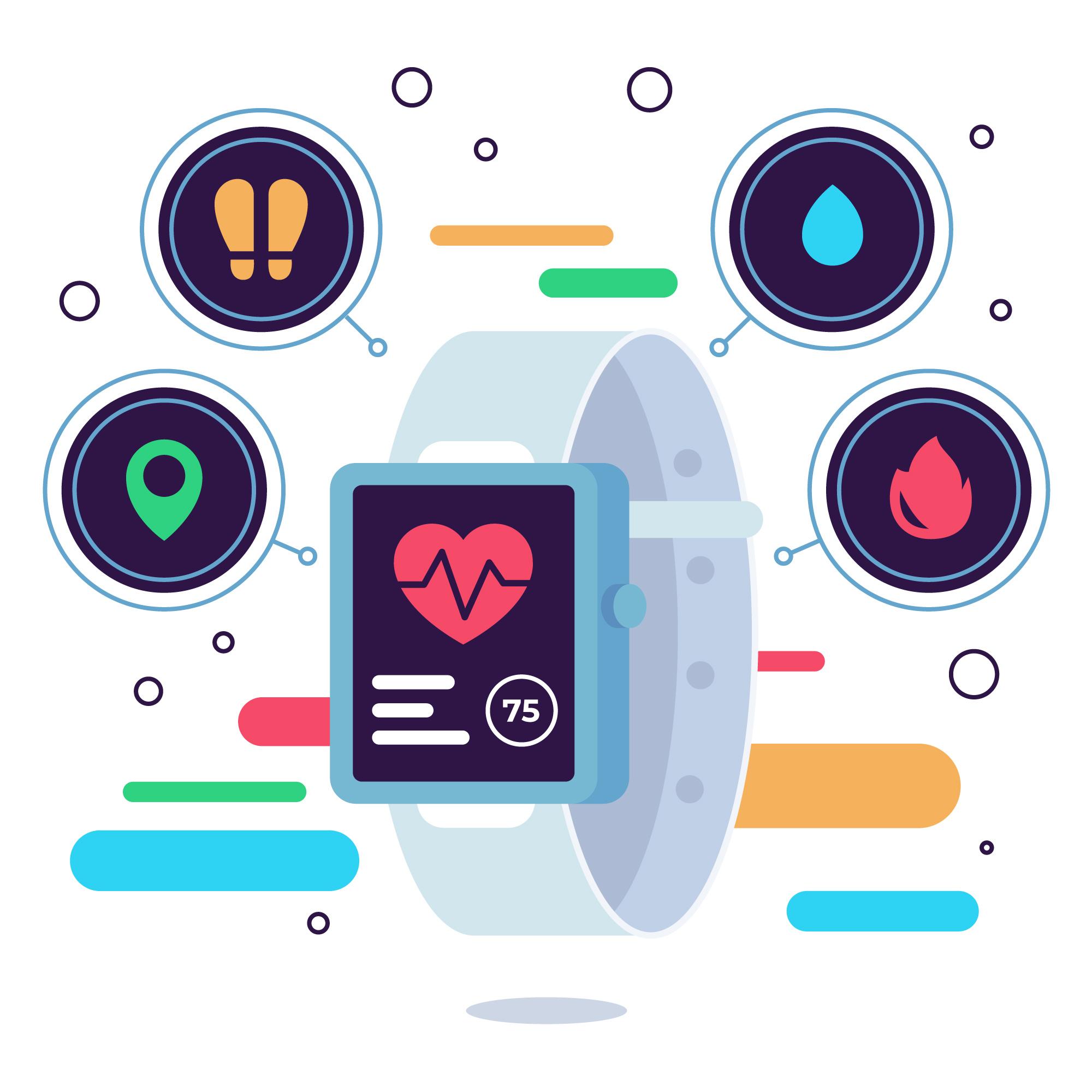
Introduction
Preventive healthcare has undergone a major transformation over the past decade, driven largely by advances in digital technology. Among these innovations, wearable health devices have emerged as powerful tools that empower individuals to take control of their health. Health Devices go beyond simple fitness tracking, offering real-time health insights, early detection of potential issues, and data-driven support for healthier lifestyles. As healthcare systems worldwide shift from reactive treatment to proactive prevention, wearable health technology is playing an increasingly critical role.
What Are Wearable Health Devices?
Wearable health devices are electronic technologies designed to be worn on the body as accessories, clothing, or implants. Common examples include smartwatches, fitness bands, smart rings, and medical-grade wearables. These devices use sensors to track various physiological metrics such as heart rate, physical activity, sleep patterns, blood oxygen levels, and even stress indicators. The collected data is typically synced with mobile applications or cloud platforms, allowing users and healthcare providers to analyze trends over time.
Key Types of Wearable Health Devices
Wearable health technology can be broadly categorized based on functionality. Fitness-focused wearables track steps, calories burned, and exercise performance. Medical wearables monitor vital signs such as ECG, blood pressure, and glucose levels. Specialized devices are designed for sleep tracking, fall detection, or chronic disease management. Each type serves a unique purpose but collectively contributes to a comprehensive view of an individual’s health.
Role of Wearable Devices in Preventive Care
Preventive care focuses on identifying health risks early and taking action before serious conditions develop. Wearable health devices support this approach by enabling continuous monitoring rather than relying solely on periodic medical checkups. By capturing daily health data, these devices help detect subtle changes that may indicate the onset of illness, allowing timely intervention.
Early Detection of Health Risks
One of the most significant advantages of wearable health devices is early detection. Irregular heart rhythms, abnormal sleep patterns, or sudden drops in activity levels can serve as warning signs for conditions such as cardiovascular disease, sleep disorders, or depression. Early alerts encourage users to seek medical advice before symptoms worsen, improving outcomes and reducing healthcare costs.
Encouraging Healthy Lifestyle Choices
Wearable devices motivate individuals to adopt healthier habits by providing real-time feedback and personalized goals. Features such as step reminders, activity challenges, and sleep coaching promote consistent physical activity and better rest. Over time, these small behavioral changes can significantly reduce the risk of chronic diseases such as obesity, diabetes, and hypertension.
Personalized Health Insights
Unlike generic health recommendations, wearable health devices offer personalized insights based on individual data. Users can understand how their body responds to exercise, stress, and sleep. This personalization enhances engagement and helps individuals make informed decisions tailored to their specific needs and health goals.
Integration with Healthcare Systems
Many wearable health devices can integrate with electronic health records and telemedicine platforms. This connectivity allows healthcare providers to access patient-generated data, improving diagnosis and treatment planning. In preventive care, continuous data sharing enables doctors to monitor patients remotely, adjust treatment plans proactively, and reduce unnecessary hospital visits.
Impact on Chronic Disease Prevention and Management
Wearable health devices are particularly valuable in preventing and managing chronic conditions. For individuals at risk of diabetes, continuous activity and glucose monitoring can help maintain healthy blood sugar levels. Heart patients benefit from ongoing heart rate and ECG monitoring, while those with respiratory issues can track oxygen saturation levels. These capabilities help prevent complications and improve long-term health outcomes.
Data-Driven Public Health Benefits
On a broader scale, anonymized data from wearable devices can support public health initiatives. Trends in physical activity, sleep, and heart health provide valuable insights into population-level health patterns. This information can guide preventive strategies, awareness campaigns, and policy decisions aimed at improving overall community health.
Challenges and Limitations
Despite their benefits, wearable health devices face certain challenges. Data accuracy can vary between devices, and not all wearables meet medical-grade standards. Privacy and data security concerns also remain significant, as sensitive health information is stored digitally. Additionally, access to wearable technology may be limited by cost, potentially widening health disparities. Cost and accessibility also play a crucial role in limiting widespread adoption. High-quality wearable health devices can be expensive, making them less accessible to individuals from lower-income communities. This disparity may contribute to unequal access to preventive healthcare tools, potentially widening existing health gaps. Additionally, some users may face challenges related to digital literacy, making it difficult to interpret health data or use device features effectively.
Finally, user adherence remains a concern. The effectiveness of wearable devices depends heavily on consistent usage. Some individuals abandon these devices over time due to discomfort, lack of motivation, or information overload. Addressing these challenges through improved design, education, and integration with healthcare systems is essential to maximize the long-term impact of wearable health technology.
Future of Wearable Health Devices in Preventive Care
The future of wearable health technology is promising, with ongoing advancements in artificial intelligence, sensor accuracy, and battery life. Emerging devices are expected to monitor more complex health indicators such as hydration levels, mental health markers, and early signs of infectious diseases. As technology evolves, wearable devices will become even more integrated into preventive care strategies. Battery life, comfort, and design will continue to improve, making devices more convenient for long-term use. As wearable technology becomes more affordable and accessible, its adoption is likely to expand across different age groups and populations. Ultimately, wearable health devices are poised to become a standard component of preventive care, supporting a shift toward more proactive, personalized, and data-driven healthcare models.
Conclusion
Wearable health devices are transforming preventive care by shifting the focus from treatment to proactive health management. Through continuous monitoring, early detection, and personalized insights, these devices empower individuals to make healthier choices and reduce the risk of chronic diseases. While challenges remain, the growing adoption of wearable health technology signals a future where preventive care is more accessible, data-driven, and effective. While challenges such as data accuracy, privacy concerns, and accessibility remain, ongoing technological advancements and improved regulatory frameworks are steadily addressing these limitations. As wearable health devices become more sophisticated and widely adopted, they will play an increasingly vital role in promoting healthier lifestyles and preventing chronic diseases.
The growing integration of wearable technology into healthcare systems signals a future where preventive care is more accessible, personalized, and effective. By encouraging individuals to take an active role in their health, wearable health devices have the potential to significantly improve health outcomes and transform the way preventive care is delivered worldwide.
For more information regarding the : How AI is Transforming Diagnostics in Hospitals visit.