 Nikhil Solanki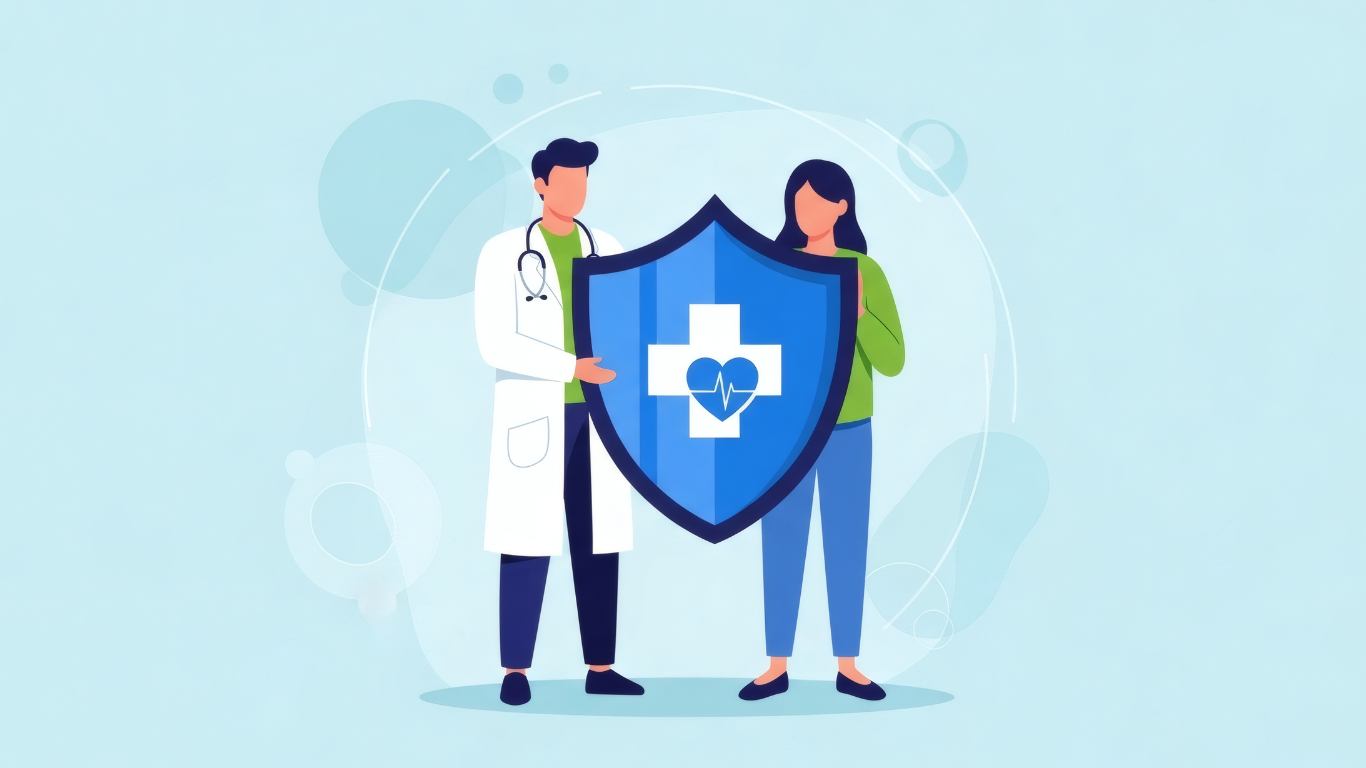
Preventive Healthcare: Taking Control of Your Health Before Problems Arise
The traditional approach to healthcare has been reactive—waiting until symptoms appear before seeking treatment. However, a growing body of evidence shows that preventive care, which focuses on maintaining health and catching issues early, offers better outcomes at lower costs. By taking proactive steps today, you can significantly reduce your risk of serious health problems tomorrow.
The Value of Regular Health Screenings
Many serious conditions develop silently, showing no symptoms until they’ve progressed significantly. High blood pressure, high cholesterol, diabetes, and certain cancers can advance for years without obvious warning signs. Regular health screenings catch these conditions in their earliest, most treatable stages.
Annual physical examinations provide opportunities to assess overall health, review medications, and discuss any concerns with healthcare providers. Blood tests reveal cholesterol levels, blood sugar, kidney function, and other vital markers. These simple tests can identify problems long before they cause noticeable symptoms.
Age-appropriate cancer screenings save lives. Mammograms detect breast cancer early when treatment is most effective. Colonoscopies identify precancerous polyps that can be removed before becoming malignant. Skin checks catch melanomas in their curable stages. Following recommended screening schedules based on age, family history, and risk factors is one of the most important preventive measures anyone can take.
Vaccination: Protection Beyond Childhood
While most people associate vaccines with childhood, adult immunizations remain important throughout life. Annual flu vaccines reduce risk of influenza and its potentially serious complications. Pneumonia vaccines protect vulnerable populations. The shingles vaccine prevents a painful condition that affects one in three adults over 50.
Staying current with recommended vaccinations becomes increasingly important with age as immune systems naturally weaken. Discussing vaccination status with healthcare providers ensures appropriate protection against preventable diseases.
Dental Health and Overall Wellness
Oral health connects directly to overall health in ways many people don’t realize. Gum disease increases risk of heart disease, stroke, and diabetes complications. Bacteria from oral infections can spread throughout the body, affecting organs far from the mouth.
Regular dental cleanings and examinations prevent small problems from becoming major issues. Brushing twice daily, flossing, and limiting sugary foods and drinks maintain oral health between dental visits. These simple habits protect both teeth and overall wellbeing.
Managing Risk Factors
Certain risk factors significantly increase disease probability. Smoking remains the leading preventable cause of death, contributing to heart disease, stroke, cancer, and respiratory conditions. Quitting smoking at any age reduces these risks, with benefits beginning almost immediately.
Excessive alcohol consumption damages the liver, increases cancer risk, and contributes to accidents and injuries. Moderating intake—defined as up to one drink daily for women and two for men—minimizes these dangers while allowing occasional enjoyment.
Maintaining healthy weight reduces risk of diabetes, heart disease, joint problems, and certain cancers. Even modest weight loss—5-10% of body weight—provides significant health benefits for those who are overweight. Sustainable changes in eating and activity patterns work better than crash diets.
Mental Health as Prevention
Mental and physical health are inseparable. Chronic stress, anxiety, and depression weaken immune function, increase inflammation, and contribute to cardiovascular disease. Addressing mental health concerns isn’t just about feeling better emotionally—it’s fundamental to physical health.
Regular stress management practices, whether through exercise, meditation, hobbies, or therapy, prevent the accumulated damage of chronic stress. Seeking help for persistent sadness, anxiety, or other mental health concerns prevents these conditions from affecting physical health.
Strong social connections also function as preventive medicine. People with robust social networks experience better health outcomes, faster recovery from illness, and longer lives than isolated individuals. Investing in relationships provides both emotional and physical benefits.
Understanding Family Health History
Genetics influence disease risk significantly. Knowing your family health history helps identify conditions you’re predisposed to develop, allowing for earlier screening and targeted prevention strategies. If close relatives developed heart disease, diabetes, or certain cancers, you may benefit from earlier or more frequent screening.
Sharing family health history with healthcare providers enables personalized preventive recommendations. Some people with strong family histories of specific cancers may need genetic testing or more aggressive screening protocols.
Environmental and Occupational Health
Environmental exposures affect health over time. Limiting exposure to air pollution when possible, using sunscreen to prevent skin damage, and avoiding harmful chemicals in work or home environments all contribute to long-term wellbeing.
For those in occupations with specific hazards—chemical exposure, repetitive motion, or physical demands—following safety protocols and using protective equipment prevents work-related health problems. Regular occupational health screenings catch issues before they become disabling.
Building Your Prevention Plan
Effective preventive healthcare requires partnership between you and healthcare providers. Start by scheduling a comprehensive physical examination if you haven’t had one recently. Discuss your personal and family health history, lifestyle factors, and any concerns.
Work with your provider to create a personalized prevention plan that includes appropriate screenings, vaccinations, and lifestyle modifications based on your unique risk profile. Regular follow-up appointments track progress and adjust strategies as needed.
Prevention isn’t about eliminating all risk—that’s impossible. It’s about making informed choices that shift odds in your favor, catching problems early when they’re most treatable, and maintaining the vitality that makes life enjoyable. The time and effort invested in preventive care today pays dividends in health, independence, and quality of life for decades to come.