 Nikhil Solanki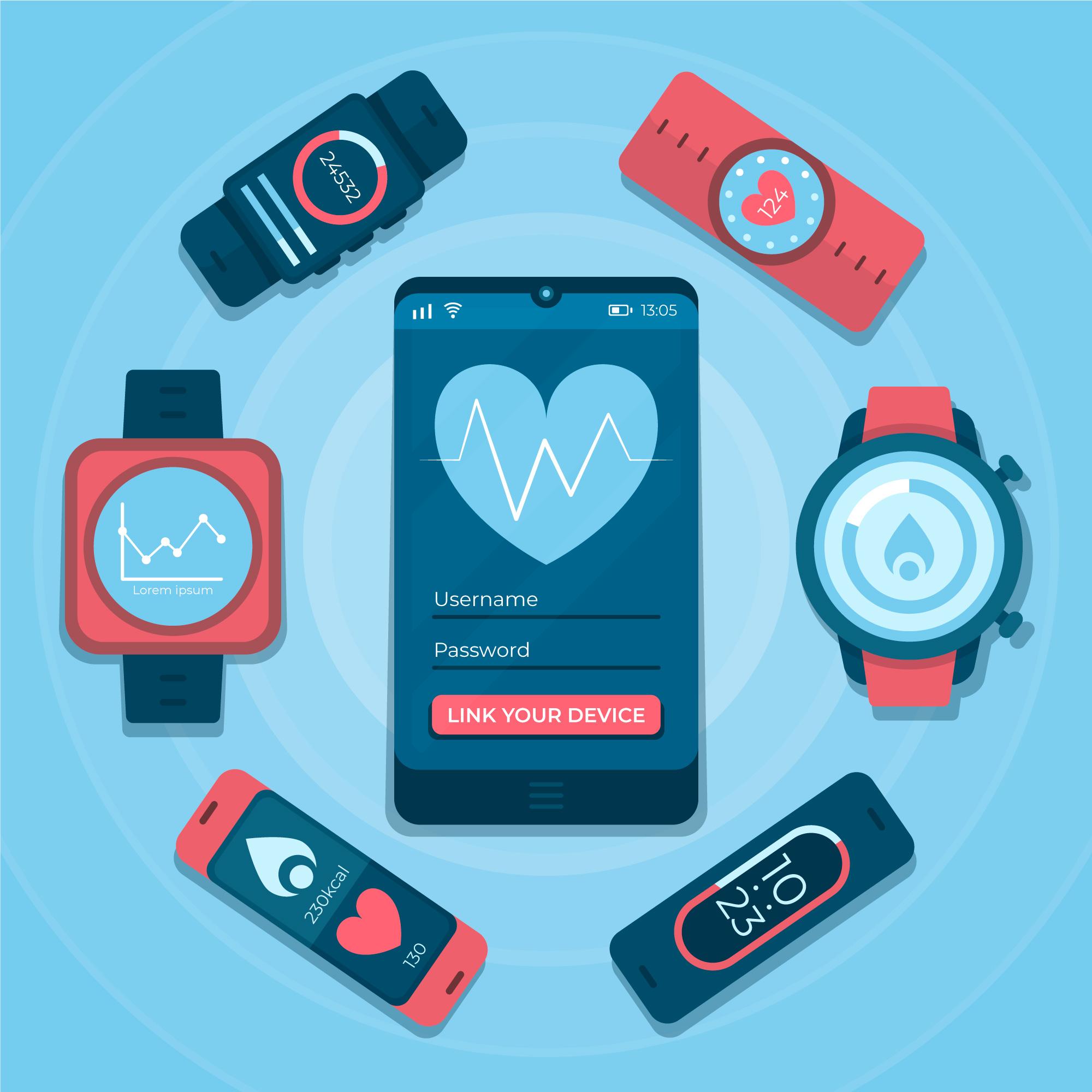
Introduction
The IoT Device industry is rapidly evolving with the adoption of smart digital technologies. One of the most impactful advancements is the use of IoT devices in healthcare monitoring.
These connected devices help track patient health in real time, improve clinical decisions, and reduce the burden on hospitals. IoT-based monitoring has become especially valuable for chronic care, elderly patients, and remote healthcare delivery.
By collecting and sharing health data continuously, IoT devices enable proactive care rather than reactive treatment. This shift improves patient outcomes, lowers costs, and supports more efficient healthcare systems.
Understanding IoT Devices in Healthcare Monitoring
IoT devices in healthcare refer to smart medical tools connected to the internet that collect, transmit, and analyze health data. These devices include wearable sensors, smart medical equipment, and remote monitoring systems used in hospitals and homes.
They measure vital signs such as heart rate, blood pressure, oxygen levels, and physical activity. The collected data flows securely to healthcare providers, allowing timely interventions and personalized care plans.
In recent years, the adoption of IoT in healthcare has accelerated due to rising chronic diseases, an aging population, and the growing need for cost-effective care solutions.
IoT devices help bridge the gap between patients and providers by enabling continuous data exchange, even outside traditional medical facilities. This shift supports a more proactive and preventive healthcare approach.
By leveraging real-time data, healthcare systems can move away from reactive treatment models and focus on early detection and long-term health management. This transformation improves outcomes while reducing unnecessary hospital visits and healthcare costs.
Types of IoT Devices Used in Healthcare
Wearable health devices are among the most common IoT tools. Smartwatches, fitness bands, and medical-grade wearables track daily health metrics and alert users to abnormalities.
Medical IoT devices also include smart glucose monitors, connected inhalers, and remote ECG machines. Hospital-based IoT systems monitor patient conditions, equipment usage, and environmental safety, improving operational efficiency.
In addition to personal and hospital-based devices, implantable IoT devices are gaining attention. These include smart pacemakers and biosensors that continuously monitor internal health conditions.
Such devices provide critical data directly from inside the body, offering higher accuracy and reliability. IoT devices are also used in medical imaging, medication tracking, and supply chain management.
Smart pill dispensers ensure medication adherence, while connected inventory systems help hospitals maintain adequate medical supplies, reducing waste and shortages.
Remote Patient Monitoring and Home Care
Remote patient monitoring allows healthcare providers to track patients outside traditional clinical settings. IoT devices enable continuous observation without frequent hospital visits.
This approach benefits elderly patients and individuals with chronic illnesses. Doctors can detect changes early, adjust treatments quickly, and reduce emergency hospital admissions. Patients feel safer and more supported while staying at home.
Home-based monitoring also reduces the burden on hospitals and clinics, allowing healthcare professionals to focus on critical cases. For patients in rural or underserved areas, remote monitoring ensures access to quality care without long-distance travel.
Additionally, remote care promotes patient independence and comfort. Being monitored in familiar surroundings often improves mental well-being and encourages patients to stay engaged with their treatment plans.
Role of IoT in Chronic Disease Management
Chronic diseases require long-term monitoring and consistent care. IoT devices help patients manage conditions like diabetes, heart disease, and asthma more effectively.
Connected devices track health trends over time and share reports with healthcare professionals. This data-driven approach supports better treatment decisions and improves patient engagement in self-care.
For example, continuous glucose monitors allow diabetic patients to understand how diet, activity, and medication affect blood sugar levels. Similarly, smart inhalers help asthma patients track usage patterns and identify triggers.
By empowering patients with real-time insights, IoT devices encourage healthier lifestyle choices and adherence to treatment plans. This ongoing engagement plays a crucial role in preventing complications and improving quality of life.
Improving Clinical Decision Making
IoT-generated data provides healthcare professionals with accurate and up-to-date patient information. This data supports faster diagnosis and better treatment planning.
Doctors can identify patterns, track progress, and evaluate treatment effectiveness. As a result, clinical decisions become more precise and timely, reducing medical errors.
When combined with analytics and artificial intelligence, IoT data becomes even more powerful. Predictive insights help clinicians anticipate health risks before symptoms worsen, enabling preventive interventions.
This continuous flow of information reduces reliance on patient recall and occasional check-ups, leading to more informed and confident medical decisions.
Enhancing Patient Safety and Quality of Care
Patient safety improves significantly with IoT-based monitoring. Smart devices alert healthcare teams when vital signs move outside safe ranges.
Hospitals use IoT systems to monitor equipment performance and patient movement, reducing risks such as falls or device failures. These measures improve overall care quality and patient trust.
Data Security and Privacy Considerations
Healthcare data is highly sensitive, making security a critical concern. IoT healthcare systems must use strong encryption and secure networks to protect patient information.
Clear data policies and compliance with healthcare regulations ensure patient privacy. Transparency builds trust and encourages wider adoption of connected healthcare technologies.
Organizations must also address risks such as unauthorized access, data breaches, and device vulnerabilities. Regular security updates and risk assessments are essential to maintaining system integrity.
Educating patients and staff about safe data practices further strengthens security and ensures responsible use of IoT technologies.
Integration with Healthcare Infrastructure
Successful IoT deployment requires seamless integration with existing healthcare systems. Electronic health records and hospital management platforms must work together with IoT devices.
Proper integration improves workflow efficiency and data accessibility. Healthcare providers can deliver coordinated care across departments and locations.
Challenges and Limitations of IoT in Healthcare
Despite its benefits, IoT adoption faces challenges. Device interoperability, data overload, and connectivity issues can affect performance.
Healthcare organizations must invest in infrastructure, training, and technical support. Addressing these challenges ensures reliable and sustainable IoT healthcare solutions.
Future of IoT Devices in Healthcare Monitoring
The future of IoT in healthcare looks promising. Advancements in sensors, connectivity, and analytics will improve device accuracy and usability.
IoT will support preventive care, personalized treatment, and population health management. As adoption grows, connected healthcare will become a standard part of modern medical practice.
Conclusion
IoT devices in healthcare monitoring are transforming how care is delivered and managed. They enable continuous monitoring, early intervention, and improved patient outcomes.
By investing in secure infrastructure and user education, healthcare systems can unlock the full potential of IoT technology. Connected monitoring will play a vital role in building smarter, patient-centered healthcare systems
For more information regarding the : How AI is Transforming Diagnostics in Hospitals visit.