 Nikhil Solanki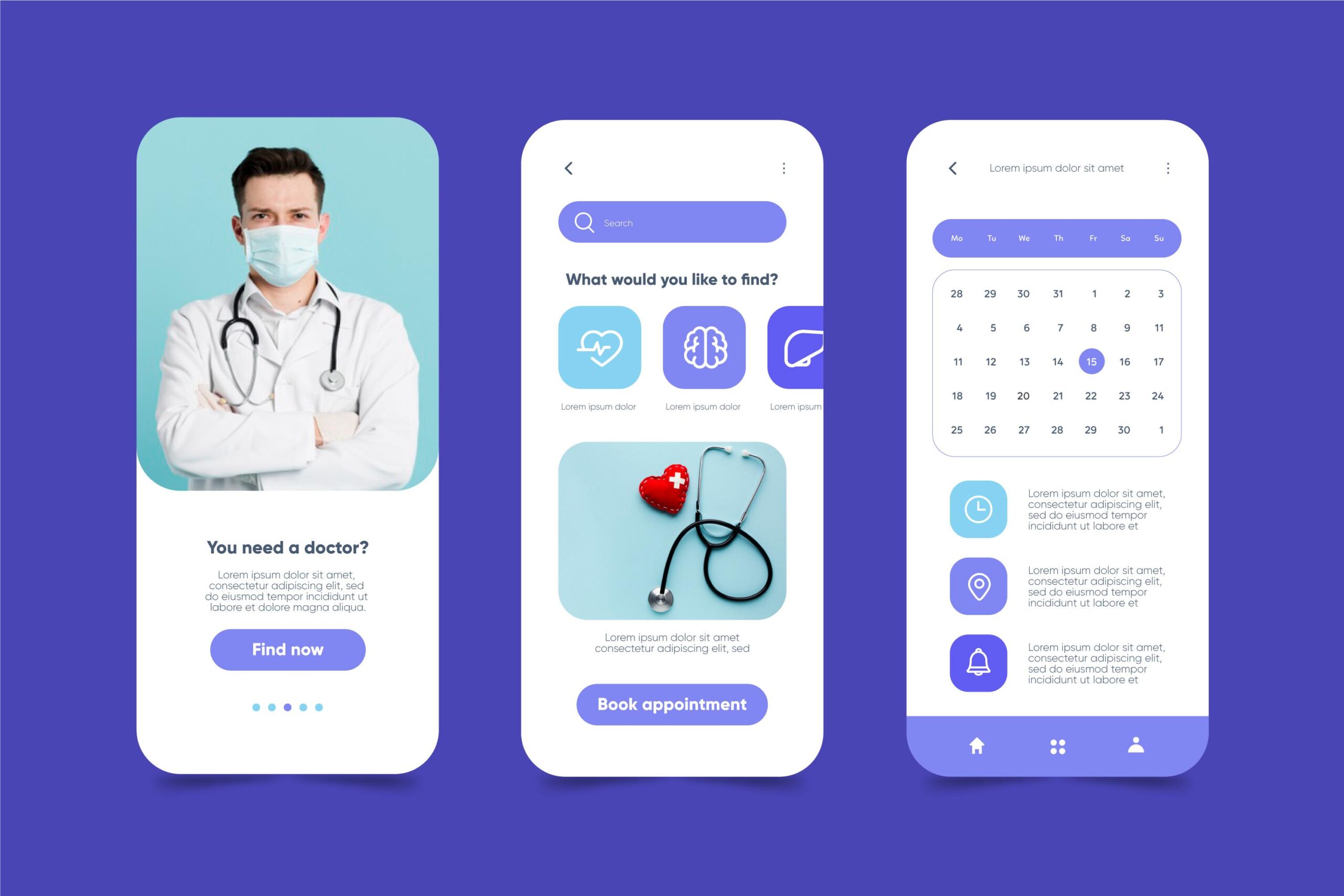
Introduction
Health apps have become an essential part of modern healthcare by helping individuals monitor and improve their physical and medical well-being. These apps support a wide range of activities, from tracking daily steps and sleep patterns to managing long-term health conditions. With the widespread use of smartphones, health apps now provide easy access to health information and self-care tools.
As healthcare continues to focus on prevention and patient involvement, it help users take greater control of their health. This article explores the evolution from simple fitness tools to advanced platforms for chronic disease management.
What Are Health Apps?
Health apps are mobile-based applications created to help people manage different aspects of their health in a simple and organized way. These apps support physical fitness, mental well-being, and medical care by allowing users to record and monitor health-related data on a daily basis.
People can use to track activities such as walking, running, sleep duration, heart rate, and calorie intake. Many health apps also include features like reminders, alerts, and progress tracking to help users stay consistent with their health goals.
In addition to personal use, health apps often support communication between users and healthcare professionals. Some apps allow users to share reports, test results, and daily health records with doctors or caregivers.
This shared access helps healthcare providers understand patient behavior outside clinical visits. By keeping health information in one secure place, health apps reduce confusion, improve organization, and support better decision-making. As smartphones become more common, health apps continue to play a growing role in everyday health management.
Fitness Tracking Through Health Apps
Fitness tracking apps focus on helping users stay active and improve physical fitness through regular monitoring. These apps track daily steps, distance covered, calories burned, heart rate, and workout time.
By presenting this information in charts and summaries, fitness apps help users clearly understand their activity levels. This visibility encourages users to stay motivated and maintain consistent exercise routines.
Fitness tracking apps also help users recognize patterns in their activity habits. For example, users can see how active they are on weekdays compared to weekends. Many apps send gentle reminders to move after long periods of inactivity.
This continuous feedback supports healthier daily behavior and reduces a sedentary lifestyle. Over time, fitness tracking apps help users build long-lasting habits that support physical health and overall wellness.
Health Apps for Chronic Disease Management
Health apps play a vital role in supporting people who live with chronic health conditions. Conditions such as diabetes, heart disease, asthma, arthritis, and high blood pressure require continuous monitoring and consistent care.
Health apps help patients record symptoms, track vital signs, and log daily health readings. This regular monitoring allows patients to understand how their condition changes over time.
Early detection of unusual patterns or symptoms can prevent serious health complications. Many health apps provide alerts when readings fall outside normal ranges. These alerts encourage patients to seek medical attention at the right time.
Some apps also generate reports that patients can share with healthcare providers. This shared data supports better treatment planning and more informed medical decisions. This may help patients stay actively involved in managing their condition instead of relying only on clinic visits.
Benefits of Health Apps
Health apps provide convenience and flexibility by allowing users to manage health information anytime and anywhere. Continuous tracking helps users understand how lifestyle choices affect their health.
This awareness encourages healthier eating, regular exercise, and better sleep habits. Health apps also reduce dependence on frequent clinic visits for routine monitoring.
By providing instant feedback, health apps help users make informed decisions about their health. Users feel more confident managing their wellness independently. Over time, this sense of control improves motivation and long-term commitment to healthy living. It empower individuals to take responsibility for their physical and mental well-being.
Medication Tracking and Health Reminders
Medication management is essential for people with chronic illnesses and long-term treatment plans. Health apps simplify this process by sending reminders for medication schedules.
Users receive alerts to take medicines at the correct time and dosage. This feature reduces missed doses and improves treatment consistency. Many apps also track medication history, allowing users to review past doses and refill schedules. Appointment reminders help users attend regular checkups and follow-up visits.
Some apps even remind users to record symptoms after taking medication. By organizing daily health tasks, medication tracking features reduce stress and confusion. These tools support better adherence to treatment plans and improve overall health outcomes.
Personalized Workouts and Activity Goals
One of the strongest features of modern health apps is personalization. These apps create workout plans based on a user’s age, fitness level, body type, and personal goals. Users can select programs focused on weight loss, muscle building, flexibility, or general fitness.
Guided instructions help users perform exercises correctly and safely. This guidance reduces the risk of injury and improves workout effectiveness. Activity goal features allow users to set daily or weekly targets such as step counts or workout minutes. Progress tracking helps users stay focused and feel rewarded as they reach milestones.
Benefits for Healthcare Providers
Healthcare providers benefit greatly from health apps through improved patient engagement and access to real-time data. Patient-generated data gives doctors insights into daily habits, symptoms, and treatment adherence.
This information supports more accurate diagnoses and personalized care plans. Health apps also improve communication between patients and healthcare teams. Remote monitoring helps providers identify patients who need immediate attention.
Data Security and Privacy
Data security is a critical concern for health apps. Reliable applications use encryption, secure access controls, and privacy policies to protect user information and build trust.
Future Trends in Health Apps
Future health apps will integrate with wearable devices and remote monitoring systems to provide real-time health insights. These advancements will further support personalized and preventive healthcare.
Conclusion
Health apps have completely changed the way people approach fitness and the management of chronic health conditions. By combining modern technology with personalized care tools, these apps help users take a more active role in their daily health routines. People can now track their physical activity, monitor vital signs, and manage medications from a single platform, which makes health management more convenient and organized. Instead of relying only on occasional clinic visits, users can monitor their health continuously and respond to changes early.
For more blog related to : Patient Management Software for Small Clinics visit .