 Anshika Jain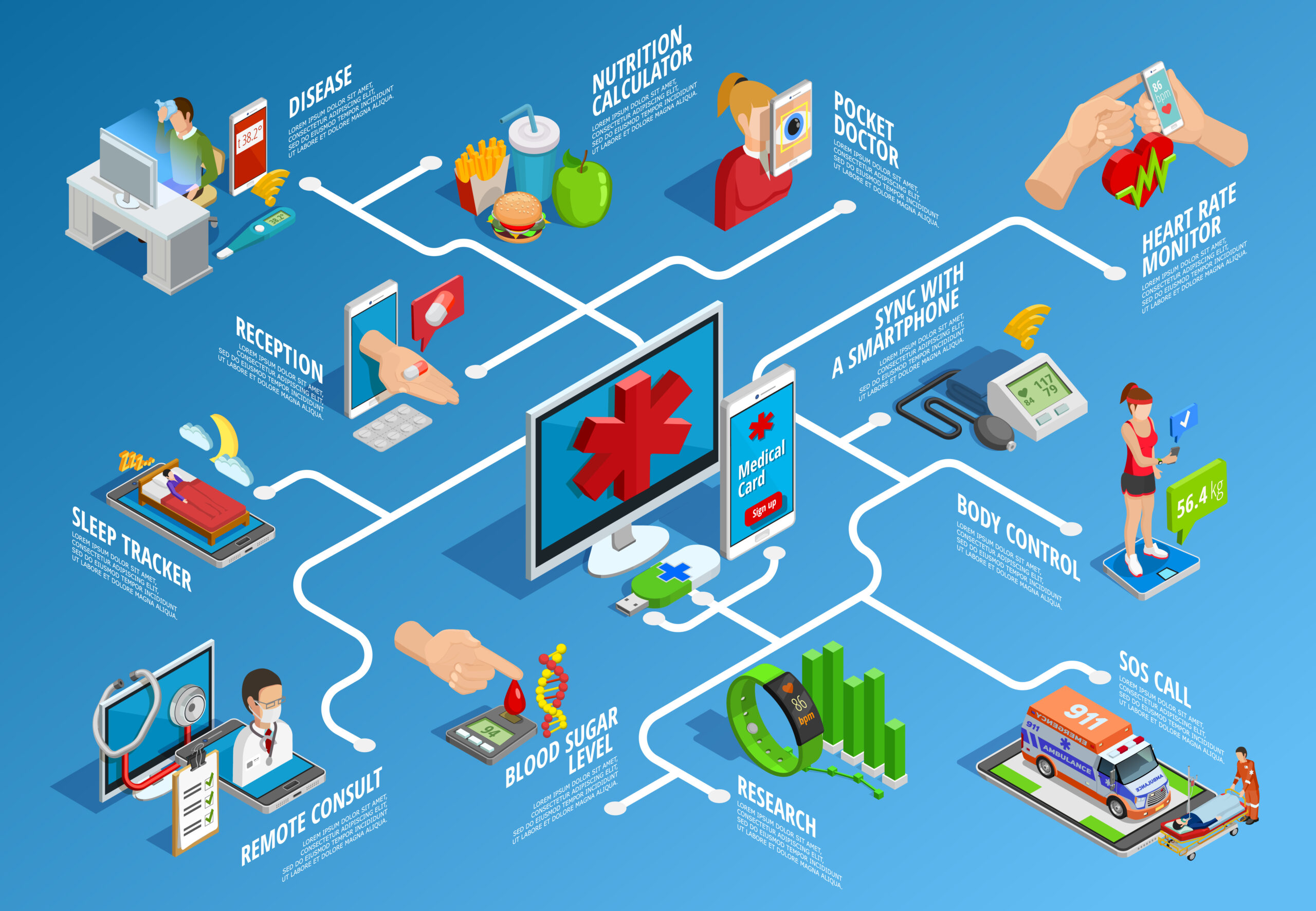
Healthcare systems around the world are facing unprecedented challenges, including rising costs, increasing patient demands, aging populations, and the growing burden of chronic diseases. These challenges highlight the urgent need for more efficient, integrated, and sustainable healthcare solutions. One promising approach to addressing these issues is the development of a unified healthcare network —a connected system where healthcare providers, institutions, technologies, and data platforms work together seamlessly.
A unified healthcare network aims to improve coordination among hospitals, clinics, laboratories, pharmacies, and public health agencies. By integrating healthcare services and enabling better communication and data sharing, such networks can enhance patient care, reduce inefficiencies, and support long-term sustainability. This article explores the concept of unified healthcare networks, their benefits, key components, challenges, and their role in building sustainable health systems for the future.
Understanding Unified Healthcare Networks
A unified healthcare network refers to an interconnected system of healthcare providers and technologies that collaborate to deliver coordinated and patient-centered care. Instead of operating in isolated silos, healthcare organizations within a unified network share information, resources, and expertise to improve overall healthcare delivery.
In traditional healthcare systems, different departments and institutions often operate independently. This fragmentation can lead to communication gaps, duplicated tests, delays in treatment, and increased healthcare costs. A unified network addresses these issues by creating an integrated ecosystem where patient information and clinical insights can flow seamlessly across the system.
Through digital technologies, standardized protocols, and collaborative frameworks, unified healthcare networks ensure that every healthcare stakeholder—from primary care physicians to specialists and public health authorities—has access to the necessary information to provide effective care.
The Need for Sustainable Health Systems
Sustainability in healthcare refers to the ability of health systems to provide high-quality care while managing resources efficiently over the long term. Many healthcare systems today struggle with sustainability due to financial pressures, resource shortages, and growing healthcare demands.
Several global trends contribute to these challenges:
-
Increasing prevalence of chronic diseases
-
Aging populations requiring long-term care
-
Rising healthcare costs and expenditures
-
Limited availability of healthcare professionals
-
Unequal access to healthcare services
These issues require innovative solutions that improve efficiency, reduce waste, and enhance collaboration across healthcare sectors. Unified healthcare networks offer a strategic approach to addressing these sustainability challenges by optimizing healthcare delivery and resource management.
Key Components of a Unified Healthcare Network
Creating an effective unified healthcare network requires several essential components that enable seamless coordination and communication among healthcare providers.
1. Integrated Digital Infrastructure
A strong digital foundation is essential for connecting different healthcare organizations within a network. This infrastructure typically includes electronic health records (EHRs), cloud-based data systems, and interoperable healthcare platforms.
Key features include:
-
Secure data sharing between institutions
-
Centralized patient records accessible by authorized providers
-
Real-time updates on patient health information
-
Integration with diagnostic tools and monitoring systems
Digital infrastructure ensures that healthcare professionals have timely access to critical patient data, enabling more informed decision-making.
2. Interoperability Standards
Interoperability refers to the ability of different healthcare systems and technologies to communicate and exchange data effectively. Without interoperability, healthcare networks cannot function efficiently.
Standardized data formats and communication protocols allow healthcare systems to share information across different platforms, ensuring smooth collaboration among providers.
Benefits of interoperability include:
-
Reduced duplication of medical tests
-
Improved accuracy of patient records
-
Faster communication among healthcare teams
-
Better coordination of patient care
3. Collaborative Care Models
Unified healthcare networks encourage collaboration among healthcare professionals from various disciplines. Instead of working independently, physicians, nurses, specialists, pharmacists, and public health experts collaborate to deliver comprehensive care.
Collaborative care models support:
-
Multidisciplinary treatment planning
-
Improved management of complex medical conditions
-
Enhanced patient monitoring and follow-up care
-
Better coordination between primary and specialized healthcare services
4. Data Analytics and Decision Support
Healthcare networks generate large volumes of data that can be analyzed to improve clinical outcomes and operational efficiency. Advanced analytics tools and decision support systems help healthcare providers interpret this data and make evidence-based decisions.
Applications include:
-
Predicting disease outbreaks
-
Identifying high-risk patients
-
Optimizing hospital resource allocation
-
Evaluating treatment effectiveness
By leveraging data-driven insights, healthcare networks can improve both patient care and system sustainability.
Benefits of a Unified Healthcare Network
Implementing a unified healthcare network offers numerous advantages for patients, healthcare providers, and healthcare systems as a whole.
Improved Patient Care
When healthcare providers have access to comprehensive patient information, they can make better clinical decisions. Unified networks ensure that medical histories, test results, and treatment plans are easily accessible across the system.
This leads to:
-
Faster diagnosis and treatment
-
Reduced medical errors
-
More personalized care
Enhanced Efficiency
Healthcare networks reduce inefficiencies caused by fragmented systems. By sharing resources and information, healthcare providers can streamline processes and reduce unnecessary procedures.
Efficiency improvements include:
-
Fewer duplicated tests and procedures
-
Shorter hospital stays
-
Faster referrals to specialists
Cost Reduction
Healthcare costs can be significantly reduced when systems operate collaboratively. Shared resources, improved preventive care, and efficient patient management help reduce overall healthcare expenditures.
Better Public Health Management
Unified healthcare networks also support public health initiatives by enabling real-time monitoring of population health data. Health authorities can track disease trends, monitor vaccination coverage, and respond more effectively to public health emergencies.
Improved Patient Experience
Patients benefit greatly from integrated healthcare systems. They no longer need to repeat medical histories at multiple facilities, and their care is coordinated across different providers.
This leads to:
-
Greater convenience
-
Improved continuity of care
-
Increased patient satisfaction
Role of Technology in Building Unified Healthcare Network
Modern technologies play a crucial role in enabling unified healthcare systems.
Artificial Intelligence and Machine Learning
AI can analyze large datasets to identify patterns, predict health risks, and support clinical decision-making. These insights help healthcare providers deliver more proactive and personalized care.
Telemedicine
Telemedicine platforms allow patients to consult healthcare providers remotely, improving access to healthcare services, especially in rural or underserved areas.
Internet of Medical Things (IoMT)
Connected medical devices can monitor patients’ vital signs and transmit data directly to healthcare systems. This enables continuous patient monitoring and the early detection of potential health issues.
Cloud Computing
Cloud-based healthcare systems provide scalable and secure platforms for storing and sharing patient data across healthcare networks.
Challenges in Creating Unified Healthcare Network
Despite their many benefits, implementing unified healthcare networks is not without challenges.
Data Privacy and Security
Healthcare data is highly sensitive and must be protected from unauthorized access or cyber threats. Strong cybersecurity measures and strict privacy regulations are essential.
Integration with Legacy Systems
Many healthcare institutions still rely on outdated technologies that may not easily integrate with modern digital platforms.
Financial and Infrastructure Constraints
Developing and maintaining a unified healthcare network requires significant investments in technology, training, and infrastructure.
Organizational Resistance
Healthcare professionals and institutions may resist change due to concerns about workflow disruptions, additional training requirements, or loss of autonomy.
Strategies for Building Effective Unified Healthcare Network
To successfully implement unified healthcare networks, policymakers and healthcare organizations should adopt strategic approaches.
Key strategies include:
-
Establishing national healthcare data standards
-
Encouraging collaboration among healthcare institutions
-
Investing in digital health infrastructure
-
Providing training for healthcare professionals
-
Developing strong regulatory frameworks for data security
By addressing these areas, healthcare systems can gradually transition toward integrated and sustainable models.
The Future of Sustainable Healthcare Systems
As global healthcare demands continue to grow, unified healthcare networks will become increasingly important. The integration of advanced technologies, collaborative care models, and data-driven decision-making will enable healthcare systems to deliver higher-quality care while maintaining financial sustainability.
Future developments may include:
-
Fully integrated national health information networks
-
AI-powered predictive healthcare systems
-
Global health data sharing platforms
-
Personalized medicine based on genetic and lifestyle data
These innovations will further strengthen healthcare networks and support the development of resilient and sustainable health systems.
Conclusion
Creating a unified healthcare network is a crucial step toward building sustainable healthcare systems that can meet the challenges of the modern world. By integrating healthcare providers, technologies, and data platforms, unified networks enable more coordinated, efficient, and patient-centered care.
Such networks reduce fragmentation in healthcare delivery, improve resource utilization, and enhance the overall patient experience. Although challenges such as data security, system integration, and financial constraints remain, strategic planning and technological innovation can overcome these obstacles.
As healthcare systems continue to evolve, unified healthcare networks will play a vital role in ensuring that healthcare remains accessible, efficient, and sustainable for future generations. By fostering collaboration and leveraging digital technologies, healthcare organizations can create a more resilient and effective global healthcare ecosystem.