 Nikhil Solanki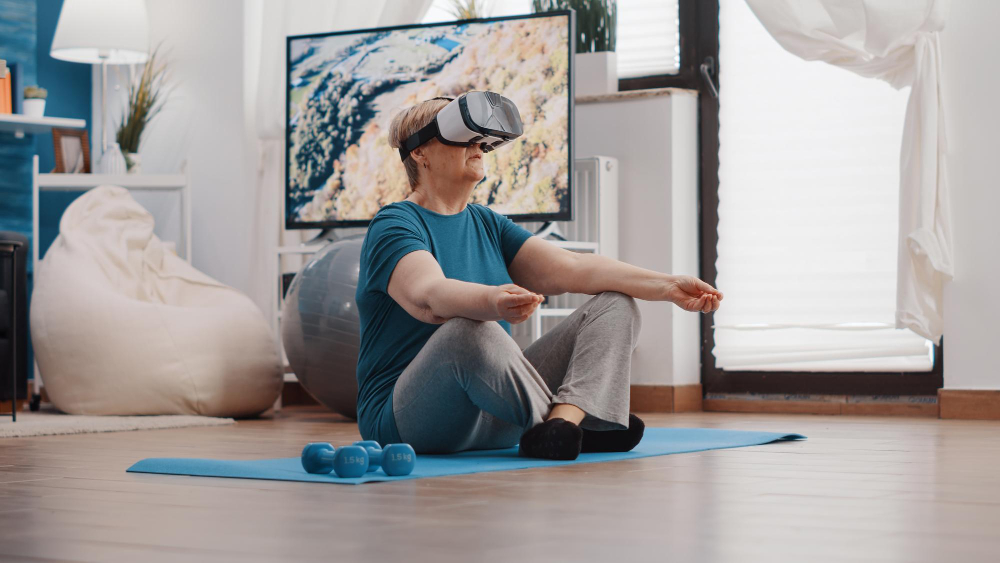
Introduction
Virtual Reality in Medical Training and Rehabilitation is reshaping modern healthcare education and patient recovery by offering immersive, interactive, and highly effective digital experiences. Virtual reality creates simulated environments where medical professionals and patients can safely practice skills, learn procedures, and recover physical or cognitive functions. As healthcare systems seek innovative solutions to improve outcomes and reduce costs, virtual reality continues to gain global recognition
Healthcare organizations increasingly adopt virtual reality to improve clinical training, patient engagement, and rehabilitation outcomes. Its ability to combine realism with safety makes it a valuable tool across multiple medical disciplines.
Role of Virtual Reality in Medical Training
Medical training requires precision, repetition, and hands-on experience. Virtual Reality in Medical Training and Rehabilitation provides realistic simulations where students and professionals can practice procedures without risk to patients. Trainees can perform surgeries, emergency interventions, and diagnostic processes in a controlled environment.
Moreover, virtual reality allows learners to repeat procedures multiple times until they gain confidence. Immediate feedback and performance tracking help identify areas for improvement. As a result, training becomes more efficient and skill-focused.
Improving Surgical Education and Skills
Virtual reality plays a significant role in surgical education. Surgeons can rehearse complex procedures using patient-specific data before entering the operating room. This preparation improves accuracy and reduces surgical errors.
Additionally, VR-based surgical simulations enhance hand-eye coordination and decision-making skills. Surgeons gain exposure to rare or high-risk cases that may not be frequently encountered during traditional training.
Enhancing Medical Education and Knowledge Retention
Virtual Reality in Medical Training and Rehabilitation improves knowledge retention through immersive learning. Medical students experience anatomy, physiology, and clinical scenarios in three-dimensional environments. This visual and interactive approach enhances comprehension compared to textbook-based learning.
Furthermore, collaborative VR platforms enable team-based training. Students and professionals can practice communication and coordination skills essential for patient care.
Applications of Virtual Reality in Rehabilitation
Rehabilitation focuses on restoring physical, cognitive, and emotional functions. Virtual Reality in Medical Training and Rehabilitation provides engaging therapy programs tailored to individual patient needs. Patients perform exercises within virtual environments that motivate participation and consistency.
VR-based rehabilitation supports recovery from stroke, spinal cord injuries, orthopedic conditions, and neurological disorders. Interactive exercises improve balance, strength, and motor coordination.
Pain Management and Mental Health Therapy
Virtual reality also supports pain management and mental health rehabilitation. Immersive environments distract patients during painful procedures or chronic pain episodes. This reduces perceived pain and anxiety.
In mental health care, VR-based therapy helps treat phobias, post-traumatic stress disorder, and anxiety disorders. Controlled exposure therapy allows patients to face fears safely while guided by healthcare professionals.
Benefits for Patients
Patients experience significant advantages from Virtual Reality in Medical Training and Rehabilitation, as VR transforms traditional treatment into an engaging and interactive experience. Instead of repetitive and often tiring exercises, patients participate in immersive activities that feel more like games than therapy. This increased engagement boosts motivation, helping patients remain consistent with their rehabilitation programs. As a result, adherence to treatment plans improves, which directly supports faster and more effective recovery.
In addition, personalized virtual environments adapt to each patient’s abilities, progress, and physical limitations. Therapists can adjust difficulty levels in real time, ensuring exercises remain challenging but achievable. This customization reduces frustration while promoting steady improvement. Patients also gain greater confidence as they visually track their progress, leading to higher satisfaction and a stronger sense of control over their recovery journey.
Benefits for Healthcare Professionals
Healthcare professionals benefit greatly from Virtual Reality in Medical Training and Rehabilitation through enhanced training tools and improved patient management. VR allows doctors, therapists, and medical students to practice procedures and therapeutic techniques in a safe, risk-free environment.
Furthermore, virtual reality supports standardized training across healthcare institutions. Every learner can access the same high-quality simulations, ensuring consistent education and performance benchmarks. Improved confidence and skill development contribute to better clinical decision-making, reduced errors, and higher patient safety standards. Over time, VR helps healthcare teams deliver more precise, effective, and compassionate care.
Integration with Healthcare Systems
Virtual Reality in Medical Training and Rehabilitation integrates seamlessly with electronic health records, learning management systems, and digital rehabilitation platforms. This integration enables healthcare teams to track patient progress, analyze performance data, and adjust treatment plans based on real-time insights. Therapists can monitor outcomes remotely and personalize therapy programs according to measurable improvements.
This connectivity improves coordination among educators, therapists, and clinicians. It also supports data-driven decision-making throughout training and rehabilitation processes.
Data Security and Ethical Considerations
Protecting patient data remains essential when using virtual reality solutions. Healthcare organizations must ensure secure data storage and compliance with privacy regulations.
Ethical considerations include informed consent, accessibility, and responsible use of immersive technologies. Transparent practices help maintain trust among users.
Challenges and Limitations
Despite its many advantages, Virtual Reality in Medical Training and Rehabilitation still faces several challenges that can limit widespread adoption. One of the primary barriers is the high initial cost of VR hardware, software development, and system maintenance. Smaller healthcare facilities and training institutions may find it difficult to invest in advanced VR solutions without clear short-term returns.
In addition, technical limitations such as hardware compatibility issues, motion sickness, and limited realism can affect user experience. Some patients and trainees may experience discomfort, eye strain, or dizziness during prolonged VR sessions, which can reduce effectiveness. Healthcare providers must also invest in proper staff training and technical support to ensure successful implementation. Without continuous updates, monitoring, and user education, the full potential of virtual reality may not be achieved.
Future of Virtual Reality in Medical Training and Rehabilitation
The future of Virtual Reality in Medical Training and Rehabilitation looks promising. Advancements in hardware, software, and artificial intelligence will improve realism and accessibility.
As technology evolves, VR will support remote training, home-based rehabilitation, and global collaboration. Its role in patient-centered care will continue to expand.
Conclusion
Virtual Reality in Medical Training and Rehabilitation is transforming healthcare education and recovery by offering safe, immersive, and effective solutions. It enhances learning, improves rehabilitation outcomes, and supports innovation across medical disciplines.
With continued investment and responsible implementation, virtual reality will remain a powerful tool in shaping the future of healthcare training and rehabilitation.
For more information regarding the : The Future of Healthcare: How AI is Transforming HealthTech visit .