 Anshika Jain
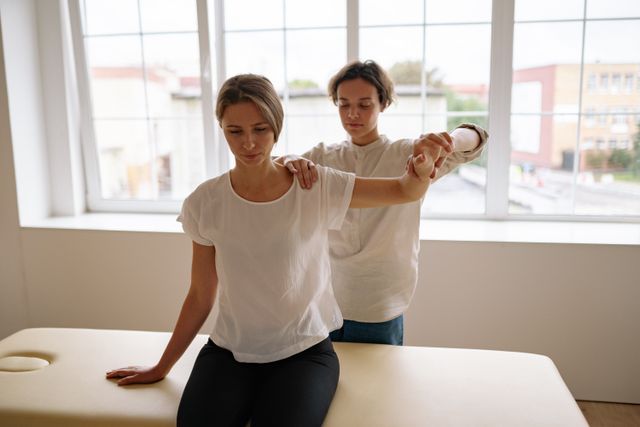
Human movement involves a complex relationship between muscles, bones, joints, tendons and the nervous system. Every time a person walks, climbs stairs, performs a squat, lifts an object or participates in a workout, different parts of the body experience mechanical forces. These forces are a normal part of movement and are necessary for maintaining strength, mobility and physical function. However, the amount and distribution of mechanical demand can vary considerably depending on posture, movement technique, speed, body structure, external resistance and fatigue.
A movement that feels comfortable for one person may place a greater physical demand on another. Even for the same individual, the demands of a movement can change according to how it is performed. For example, climbing stairs while carrying a heavy bag is mechanically different from climbing without additional weight. Similarly, performing a squat with controlled movement is different from completing it rapidly or with a load that exceeds the individual’s current capacity.
This creates an important opportunity for artificial intelligence. Could AI develop a personal joint-load atlas that maps how different movements affect the body’s joints and identifies which activities create the greatest mechanical demands? Instead of relying only on general exercise recommendations, such a system could analyse movement patterns, estimate joint loading and create an individualised picture of physical demands across daily activities and exercise routines.
A personal joint-load atlas would not simply identify movements as good or bad. Its purpose would be to help people understand how their bodies respond to different activities, recognise changes in movement patterns and make more informed decisions about exercise, recovery and physical activity.
Understanding the Concept of a Personal Joint-Load Atlas
A personal joint-load atlas can be understood as a digital representation of the mechanical demands experienced by different joints during movement. It would combine information about physical activities, movement mechanics, external resistance and individual movement characteristics to estimate where and when mechanical loading occurs.
The human body contains several major joints, including the shoulders, elbows, wrists, hips, knees, ankles and joints of the spine. Each joint contributes to movement in a different way. The knee plays an important role in walking, running, squatting and jumping, while the shoulder supports reaching, lifting and rotational movements. The hip contributes to balance, walking and powerful movements involving the lower body.
A joint-load atlas could organise information about these areas into a connected model. It might show how much estimated demand is placed on the knee during stair climbing, how shoulder mechanics change during overhead lifting or how ankle movement differs between walking on a flat surface and moving uphill.
The atlas would be personal because it would use an individual’s movement data rather than depending entirely on population averages. Two people performing the same exercise may demonstrate different joint angles, movement speeds, balance strategies and force distributions. A personalised system would attempt to recognise these differences and create a more relevant picture of movement demands.
However, it is important to distinguish between estimating mechanical load and directly measuring the forces inside a joint. Most consumer wearables and cameras cannot measure internal joint forces directly. An AI system would generally combine observable movement information with biomechanical models to estimate loading. Its results would therefore represent informed estimates rather than exact measurements of every force acting within the body.
Why Understanding Joint Load Matters
Joint loading is a normal and necessary part of physical activity. Bones and surrounding tissues respond to mechanical demands, while muscles generate forces that allow the body to move and maintain stability. Appropriate physical activity supports strength, coordination and functional capacity. Problems may arise when physical demands increase faster than the body can comfortably adapt, when recovery is inadequate or when an individual repeatedly performs movements that exceed their current capacity.
For example, someone who begins running after a long period of inactivity may suddenly increase the number of kilometres covered each week. Their muscles, tendons and joints may need time to adapt to the new demands. Similarly, a person who spends several hours sitting and then performs a high-volume workout may experience a different physical challenge from someone who has gradually developed the necessary strength and conditioning.
Understanding joint load can help make these changes more visible. Rather than recording only the number of steps or repetitions, a personal atlas could examine the types of movement performed, their estimated mechanical demands and how those demands change over time.
This information could be useful for recreational exercisers, athletes, people returning to physical activity and individuals who want to understand their movement habits. It could also support discussions with qualified physiotherapists, sports professionals and other healthcare practitioners.
Nevertheless, higher estimated joint loading does not automatically indicate injury risk. A joint can tolerate substantial mechanical demand when the body is appropriately conditioned. Conversely, relatively modest activity may cause discomfort in someone with an existing condition or reduced physical capacity. Joint-load information must therefore be interpreted alongside symptoms, medical history, recovery and professional assessment.
How AI Could Collect Movement Information
A personal joint-load atlas would require reliable information about how an individual moves. Artificial intelligence could gather this information from several sources, including smartphone cameras, wearable sensors, smartwatches and specialised movement-analysis equipment.
Computer vision could analyse video recordings of activities such as walking, squatting, lunging, jumping and lifting. Using pose-estimation techniques, an AI system could identify important body landmarks, including the shoulders, hips, knees and ankles. It could then estimate joint angles, movement speed, body alignment and changes in posture throughout an activity.
Wearable devices could provide additional information. Accelerometers and gyroscopes can detect movement, acceleration and changes in orientation. Some advanced devices also include sensors that help measure muscle activity or other physiological signals. When combined with video-based analysis, these measurements could help an AI system develop a more detailed understanding of movement.
For instance, a person could record a short video of a squat while wearing a smartwatch or motion sensor. The system might identify the movement phases, estimate knee and hip angles, examine movement symmetry and compare the results with the person’s previous sessions. It could then use a biomechanical model to estimate how the movement distributes mechanical demands across the lower body.
The quality of this analysis would depend on camera placement, sensor accuracy, lighting, clothing, movement visibility and the complexity of the activity. A smartphone recording may provide useful information about visible movement patterns, but it cannot reveal every internal force or tissue response.
Creating a Joint-by-Joint Movement Map
One of the most useful features of a personal joint-load atlas could be its ability to organise movement information by individual joints. Instead of presenting a single fitness score, the system could create a visual map showing how different activities contribute to the estimated mechanical demands placed on different parts of the body.
For example, the atlas could analyse walking, cycling, stair climbing, resistance training and household activities. It might identify that stair climbing creates different knee and hip demands compared with walking on a flat surface. It could also show that overhead lifting involves substantial shoulder movement, while repeated gripping activities place greater demands on the wrist and elbow.
The atlas could include movement duration, repetition count, estimated loading intensity and changes in technique. It could also distinguish between activities that involve repeated low-level demands and those that involve short periods of higher mechanical demand.
This would make it easier to understand the relationship between everyday activities and formal exercise. A person may complete a moderate workout but also spend the day walking long distances, carrying objects or climbing stairs. Looking only at the workout would provide an incomplete picture of the day’s physical demands.
A comprehensive atlas could therefore combine exercise sessions with selected daily activities. Over time, it might reveal patterns that are difficult to recognise through a conventional fitness tracker.
Identifying Which Movements Create Greater Demands
A central purpose of the atlas would be to compare movements and identify which activities create greater estimated mechanical demands for a particular individual. This would require more than counting repetitions. The system would need to consider movement mechanics, external resistance, speed, range of motion and the individual’s physical characteristics.
Consider two people performing a squat with the same weight. Their movement patterns may differ because of variations in body proportions, mobility, strength, balance and technique. One person may demonstrate greater forward movement of the torso, while another may use a different combination of hip and knee movement. These differences can influence how mechanical demands are distributed across the body.
AI could examine these movement characteristics and estimate how the demands change when the exercise is modified. It might compare a bodyweight squat with a weighted squat, or analyse the difference between controlled repetitions and faster repetitions. It could also examine whether changes in stance or movement depth are associated with changes in estimated joint mechanics.
The system should not automatically classify one technique as universally correct and another as unsafe. Human movement varies naturally, and different techniques may be appropriate for different individuals and activities. The objective would be to understand each person’s movement pattern and identify meaningful changes rather than enforce a single ideal posture.
Connecting Joint Load With Fatigue and Recovery
Mechanical demand does not exist independently of fatigue and recovery. A movement performed at the beginning of a workout may look different from the same movement performed after several demanding exercises. As fatigue develops, movement speed, coordination, balance and muscle activation can change.
An AI-powered atlas could compare movement quality across different stages of a workout. For example, it might observe that a person’s squat depth becomes inconsistent after repeated sets or that their balance changes during the final repetitions of a lower-body exercise. Such changes could be recorded alongside exercise duration, repetition count and estimated mechanical loading.
Wearable information could provide additional context. Heart rate, activity duration and recovery trends may help describe the overall physical demands of a session, although these measurements do not directly reveal joint stress. An AI system would need to combine these signals carefully rather than treat any single measurement as a definitive indicator of fatigue.
Over several weeks, the atlas might identify patterns between training volume, recovery time and changes in movement performance. If a person repeatedly experiences reduced movement consistency after a particular training combination, the system could highlight that pattern for review.
Such information could support more thoughtful training decisions. However, AI should not independently diagnose fatigue-related injury or decide that an individual must stop exercising based on an uncertain estimate. Pain, swelling, instability or persistent changes in movement should be assessed by an appropriate healthcare professional.
The Role of Personalisation in Joint-Load Analysis
A major advantage of an individual joint-load atlas would be its ability to learn from changes in the same person’s movement over time. Generic fitness recommendations often assume that people with similar age groups or fitness levels will respond similarly to an activity. In reality, physical capacity is influenced by many factors, including training history, body proportions, mobility, strength, previous injuries and daily activity.
An AI system could establish a baseline by analysing common movements over several sessions. It might record an individual’s usual walking pattern, squat mechanics, balance and movement speed. Later sessions could be compared with this baseline to identify changes.
For example, if a person’s walking pattern becomes noticeably different after a long period of increased activity, the system could flag the change for attention. It would not be able to determine the cause from movement data alone, but it could help the individual recognise that their usual pattern has changed.
Personalisation could also make exercise comparisons more useful. Instead of presenting a universal ranking of movements, the system could show how different activities affect the estimated demands experienced by one person. A particular exercise might be comfortable and manageable for one individual but require modification for another.
This approach could eventually support more informed conversations between individuals and qualified fitness or healthcare professionals.
Applications in Fitness, Sports and Everyday Life
A personal joint-load atlas could have applications beyond traditional gym training. In fitness programmes, it could help users understand how different exercises contribute to overall physical demands. A person planning a weekly routine might compare running, cycling, resistance training and mobility work to understand how their activities fit together.
Athletes could use movement analysis to examine training patterns across practice sessions and competitions. Coaches might review changes in running mechanics, landing patterns or movement consistency as training intensity increases. The information could help guide professional assessments and training discussions, although it should not replace sports science expertise or clinical evaluation.
For people with desk-based jobs, the atlas could offer a broader view of everyday movement. Long periods of sitting, repeated reaching, carrying bags and walking between work locations all contribute to daily physical activity in different ways. The system could help individuals understand which movements they perform frequently and how their activity patterns change across the week.
Older adults and people returning to exercise may also benefit from accessible movement tracking, provided that the technology is designed with appropriate clinical oversight. It could help monitor functional movements such as standing from a chair, walking and climbing steps. Any recommendations for individuals with health conditions or mobility limitations should be developed with qualified professionals.
How a Personal Joint-Load Atlas Could Improve Exercise Planning
Once the system has collected enough reliable information, it could help users make more informed exercise adjustments. If the atlas identifies that a particular movement repeatedly creates high estimated demands for an individual, the system might suggest reviewing the exercise’s resistance, volume, speed or technique with a qualified trainer.
For example, a person who performs several lower-body exercises in one session may discover that their weekly routine contains more repeated knee-dominant movements than they expected. This does not mean those exercises are harmful. It simply provides information that could help the person evaluate whether their training programme is balanced and appropriate for their current capacity.
AI could also compare alternative movement options. If an exercise is uncomfortable, a qualified trainer or physiotherapist may recommend a different movement that supports a similar training objective while better matching the individual’s current abilities. The atlas could provide movement data to support that decision, but it should not make clinical substitutions without appropriate oversight.
The system could also track gradual changes in training volume. Instead of encouraging sudden increases in exercise intensity, it could help users observe how their movement patterns respond as training becomes more demanding. This may support a more structured approach to progression and recovery.
The Importance of Vegetarian Nutrition in Physical Recovery
Understanding joint load is only one part of maintaining physical function. Adequate nutrition supports muscle maintenance, bone health, energy production and recovery from exercise. A vegetarian diet can provide many nutrients required for an active lifestyle when it includes a suitable variety of foods and sufficient overall energy.
Protein is important for muscle repair and maintenance. Vegetarian sources include lentils, chickpeas, kidney beans, soybeans, tofu, paneer, milk, yoghurt, nuts and seeds. Including protein-rich foods across meals can help support the body’s response to regular physical activity.
Calcium and vitamin D are important for bone health. Milk, yoghurt, paneer and appropriately fortified plant-based alternatives can contribute calcium intake. Vitamin D status may depend on sunlight exposure, dietary intake and individual circumstances, so people at risk of deficiency should discuss appropriate testing or supplementation with a healthcare professional.
Iron, vitamin B12, magnesium and zinc also contribute to normal physiological functions. Pulses, beans, whole grains, seeds and green vegetables provide several of these nutrients, while vitamin B12 requires particular attention in vegetarian diets that contain limited or no animal-derived foods. Fortified foods or supplements may be appropriate depending on dietary intake and professional advice.
Hydration is equally important, particularly during exercise in warm conditions. However, nutrition should not be presented as a direct treatment for joint pain or a substitute for appropriate medical care. A balanced vegetarian diet can support general health and physical recovery, but it cannot guarantee protection against injury or joint problems.
Technical Limitations and Accuracy Challenges
Although AI-based joint-load analysis has considerable potential, creating a reliable personal atlas would involve significant technical challenges. The most important limitation is that external movement data cannot always reveal internal joint forces accurately. A camera can estimate the position of the knee, but it cannot directly measure the force experienced by cartilage or other internal structures.
Biomechanical models can estimate joint loading by combining movement information with assumptions about body segments, muscle forces and external resistance. However, these estimates may differ from actual internal conditions. More specialised equipment, such as laboratory motion-capture systems and force platforms, can provide additional measurements, but these technologies are not always practical for everyday users.
Another challenge is individual variation. A model trained on a limited range of body types, movement patterns or activity levels may perform less accurately for people who differ from its training data. Clothing, camera angles, sensor placement and environmental conditions can also affect the quality of collected information.
AI systems may produce misleading results if they present estimates with excessive confidence. A responsible platform should explain what it measures, what it estimates and where uncertainty remains. It should also avoid presenting a single joint-load score as a complete measure of joint health.
Privacy, Data Security and Responsible AI Design
A personal joint-load atlas could collect detailed information about movement habits, exercise routines, physical limitations and daily activities. Such information may reveal aspects of a person’s lifestyle and health, making privacy and data security essential.
A responsible platform should explain what information it collects, why it is needed and how long it will be stored. Users should have meaningful control over their movement recordings and be able to review or delete their data where supported. Video recordings should receive particular protection because they may contain identifiable visual information and details about the user’s surroundings.
AI recommendations should also be transparent. If a system identifies a change in movement, it should explain which observable features contributed to that finding rather than simply presenting an unexplained warning. Users should be able to distinguish between a general movement observation and a medically meaningful assessment.
Human oversight is especially important when the system is used by people with existing joint conditions, persistent pain or mobility limitations. AI can support information gathering, but diagnosis and treatment decisions should remain with qualified healthcare professionals.
The Future of AI-Powered Joint-Load Intelligence
The future of personal joint-load atlases may involve combining computer vision, wearable sensors, biomechanical simulations and longitudinal movement records. As these technologies improve, systems may become better at comparing movement patterns across different environments and activities.
An advanced platform could eventually create a continuously updated movement profile. It might analyse how walking mechanics change across different surfaces, how exercise patterns vary with fatigue and how training adjustments influence movement consistency over several months. Instead of focusing only on individual workouts, it could provide a broader understanding of physical demands across everyday life.
Future systems may also allow users to share selected movement reports with physiotherapists, sports coaches or fitness professionals. This could make consultations more informative by providing a record of activities and movement changes between appointments. Such integration would require reliable measurements, appropriate consent and clear professional responsibilities.
The most valuable development will not necessarily be a system that predicts every possible injury. It will be one that communicates uncertainty honestly, identifies useful movement patterns and helps people understand their physical activity more clearly.
Conclusion
A personal joint-load atlas could represent an important development in AI-powered fitness and movement analysis. By combining computer vision, wearable sensors and biomechanical modelling, artificial intelligence may help individuals understand how different movements place mechanical demands on their joints. It could create a personalised record of activities, compare movement patterns and reveal how exercise routines and everyday habits contribute to overall physical demands.
Its greatest value would come from turning complex movement information into practical knowledge. People could better understand how their activities differ, observe changes in movement quality and discuss training adjustments with qualified professionals. However, estimated joint loading should never be confused with direct measurement of internal joint forces or a diagnosis of joint health.
AI should function as a supportive tool rather than an independent medical authority. When combined with professional guidance, appropriate exercise progression, sufficient recovery and balanced vegetarian nutrition, a personal joint-load atlas could help people develop a more informed relationship with movement. The goal is not to avoid mechanical demand altogether, but to understand it and manage physical activity in a way that supports long-term strength, mobility and functional health.