 Anshika Jain
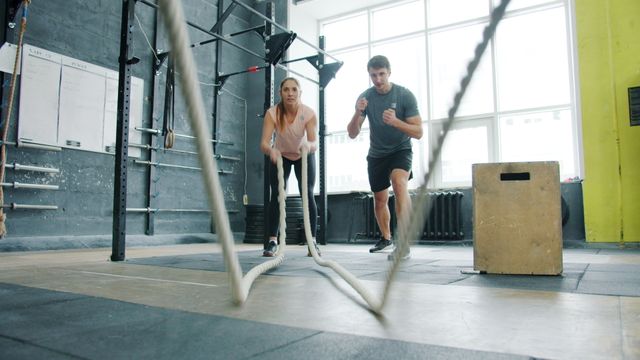
A crowded gym can disrupt even the most carefully planned fitness routine. You may arrive with a structured workout, only to discover that the squat rack is occupied, the cable machine is unavailable and the dumbbells you need are being used by other members. Waiting for equipment can interrupt training intensity, extend workout duration and make it difficult to follow a consistent exercise schedule. For people with limited time, repeatedly changing their plans can become frustrating and may eventually affect their motivation.
Traditionally, gym members have handled these situations by choosing an alternative exercise themselves, skipping the movement or waiting until the required equipment becomes free. However, these decisions are not always straightforward. Replacing a barbell squat with a leg extension, for example, does not create exactly the same training stimulus. Although both exercises involve the lower body, they differ in movement patterns, muscle involvement, coordination and loading demands. A random substitution may therefore change the purpose of the workout.
Artificial intelligence is introducing a more structured approach to this problem through AI-powered movement substitution. Instead of simply recommending another exercise that uses available equipment, an intelligent fitness system could analyse the purpose of the original movement, identify suitable alternatives and rebuild the remaining workout around the equipment currently accessible. It could consider muscle groups, movement patterns, training goals, fatigue, exercise difficulty and the user’s experience before generating a revised session.
This technology raises an interesting possibility: could a gym workout become flexible enough to adapt automatically to real-world equipment availability without losing its training purpose? Although AI cannot make every exercise perfectly interchangeable, it may help create more practical, personalised and efficient workout alternatives.
What Is AI-Powered Movement Substitution?
AI-powered movement substitution refers to the use of artificial intelligence to identify alternative exercises when a planned movement cannot be performed. The objective is not simply to replace one exercise with another but to preserve as much of the original training purpose as possible.
For example, a workout may include a cable chest fly, but the cable station may be occupied. An AI-based system could evaluate whether dumbbell fly variations, resistance-band movements or another suitable chest exercise would be appropriate. Its recommendation would depend on the equipment available, the user’s ability, the workout objective and the exercises already completed.
The technology could also make substitutions at the session level. If several machines are unavailable, the system might reorganise the workout to use accessible equipment while maintaining a reasonable balance between the targeted muscle groups and movement patterns. This is more advanced than replacing individual exercises because it requires the system to understand how each movement contributes to the overall programme.
A useful movement substitution system should distinguish between exercises that appear similar and those that provide comparable training effects. Two exercises may target the same broad muscle group but differ significantly in stability requirements, resistance direction and range of motion. AI must account for these differences before recommending a replacement.
Why Crowded Gyms Make Workout Planning Difficult
Gym programmes are often designed around a specific sequence of exercises and equipment. A person may begin with compound movements, continue with machine-based exercises and finish with isolation work. This structure can be effective when all the required equipment is available, but it becomes difficult to follow when the gym is crowded.
Equipment availability changes throughout the day. Popular machines, benches, squat racks and cable stations may remain occupied during peak hours. A person who follows a fixed workout plan may spend considerable time waiting between exercises. This can affect rest periods and reduce the time available for the rest of the session.
Unplanned substitutions can also create training imbalances. Someone who replaces every unavailable exercise with whichever machine is free may repeatedly train certain muscle groups while neglecting others. For instance, replacing a horizontal pulling exercise with another pressing movement may shift the session away from its original balance between pushing and pulling patterns.
Another challenge is exercise familiarity. Beginners may not know which alternatives are appropriate, while experienced gym users may choose exercises that are convenient but do not match the original movement’s purpose. An intelligent system could reduce this uncertainty by explaining why a particular alternative is suitable and what differences the user should expect.
How AI Can Understand the Purpose of Each Exercise
Before recommending an alternative, an AI system needs to understand what the original exercise is designed to achieve. This requires analysing more than the exercise name. It may consider the primary muscles involved, supporting muscles, movement direction, joint actions, equipment type, stability requirements and the exercise’s position within the workout.
For example, a barbell bench press is primarily a horizontal pushing movement. It involves the chest, triceps and front portion of the shoulders, while also requiring control and stability. If the bench press station is unavailable, a dumbbell bench press may provide a relatively close alternative. A suitable push-up variation may also be considered depending on the user’s strength and training objectives.
However, the alternatives are not identical. Dumbbells allow each arm to move independently and may require different stabilisation. Push-ups involve moving the body relative to the hands and can be adjusted through body position or external resistance. An AI system should recognise these distinctions rather than claiming that every replacement produces exactly the same result.
The same principle applies to lower-body exercises. A barbell squat, leg press and split squat all involve the lower body, but they place different demands on balance, coordination and joint movement. A reliable recommendation should reflect the intended training stimulus and the user’s physical capabilities.
How AI Can Rebuild a Workout Around Available Equipment
An advanced AI fitness platform could begin by receiving the user’s planned workout and a list of equipment currently available. This information might come from a gym’s connected equipment system, a user’s manual selection or a live occupancy interface where supported. The system could then compare the planned exercises with the available resources.
Suppose a person has planned a lower-body workout consisting of squats, Romanian deadlifts, leg presses and calf raises. On arriving at the gym, the squat rack and leg press are occupied. Instead of forcing the user to wait, an AI system could identify alternative movements that preserve the session’s major objectives. Depending on the available equipment and the user’s experience, it might suggest dumbbell squats, split squats or another suitable variation.
The system would then need to reconsider the complete workout rather than simply inserting replacements without examining the rest of the session. If the alternative exercise creates additional fatigue in a muscle group that is already heavily involved in another movement, the order or volume may need adjustment. The system could also recommend a different sequence to reduce unnecessary equipment changes.
This process involves several connected decisions. The AI must identify the original movement’s purpose, evaluate available alternatives, estimate their suitability, check the existing workout structure and generate a revised session. It should also explain meaningful differences so the user understands how the new plan differs from the original.
The Importance of Movement Patterns in Exercise Substitution
One of the most useful ways to organise exercise alternatives is through movement patterns. Rather than grouping exercises only by muscle group, a system can classify them according to actions such as squatting, hinging, pushing, pulling, lunging, carrying and rotating.
This distinction matters because exercises that train the same muscle group may not provide the same movement stimulus. A chest press and a shoulder press both involve pushing, but they emphasise different joint actions and muscle contributions. Similarly, a lat pulldown and a seated cable row both involve pulling, yet their movement directions and muscle emphasis differ.
AI can use movement-pattern classification to identify alternatives that are more closely related to the original exercise. If a vertical pulling movement is unavailable, the system could search for another movement that trains a similar pulling pattern rather than automatically selecting any exercise involving the back.
Movement-pattern analysis can also help maintain balance across a complete workout. If the original session includes pushing and pulling exercises, the revised plan should ideally preserve a suitable relationship between them. This does not mean that every workout must contain an identical number of each movement, but substitutions should not accidentally change the programme’s overall purpose.
Can AI Consider Fitness Goals Before Recommending Alternatives?
Different fitness goals require different exercise choices. Someone training for general fitness may prioritise accessibility, consistency and balanced development. A person focused on muscular strength may need alternatives that allow appropriate resistance and progression. Someone working on muscular endurance may prefer movements that can be performed safely for higher repetitions.
AI-powered movement substitution could use the user’s training objective to filter recommendations. For a strength-focused session, it might prioritise alternatives that allow progressive resistance and controlled technique. For a beginner, it may recommend a simpler movement that is easier to learn and perform. For someone with limited equipment, it could create a practical session using dumbbells, resistance bands and bodyweight exercises.
The system should also consider training experience. An advanced athlete may be comfortable with complex unilateral exercises, while a beginner may benefit from stable and familiar variations. Recommending a technically demanding movement simply because the required equipment is available could create unnecessary difficulty.
Personalisation should therefore involve more than matching muscle groups. It should consider what the individual is trying to achieve, what movements they can perform confidently and what equipment they can access safely.
The Role of Computer Vision and Wearable Technology
AI-powered substitution becomes more useful when it can evaluate how a person performs an exercise. Computer vision systems can analyse video footage to estimate body position, joint movement and repetition consistency. This information may help determine whether a suggested alternative is appropriate for the user’s movement ability.
For example, if a system recommends a split squat, it could provide guidance on stance, balance and controlled movement. If the user records a repetition, a computer vision model may identify visible changes in posture or range of motion. This can support technique awareness, although camera-based analysis is not a perfect assessment and may be affected by camera placement, lighting, clothing and equipment obstruction.
Wearable devices can provide additional information about movement and activity. Accelerometers and gyroscopes may help track movement patterns, while some connected devices can estimate repetition count, duration and exercise intensity. Smart gym equipment may also provide information about resistance and usage.
When these data sources are combined, an AI system could learn which alternatives are practical for a particular individual. It might identify that a user performs certain dumbbell exercises consistently but struggles with movements requiring greater balance. Such information could help refine future recommendations.
However, these systems should not make medical decisions or diagnose movement disorders. People experiencing pain, injury or unusual physical symptoms should seek appropriate professional guidance before changing their training exercises.
How AI Can Manage Workout Order, Fatigue and Recovery
Changing one exercise can affect the rest of a workout. A replacement movement may place greater demands on muscles that are already tired, require more balance or involve a different level of effort. Therefore, an intelligent system should evaluate the complete session before finalising its recommendations.
Imagine that a planned machine-based chest exercise is unavailable after the user has already completed a demanding bench press. The system may suggest an alternative, but it should consider how much additional pressing volume is appropriate. Recommending another highly demanding compound movement without considering existing fatigue may not be the best choice.
AI could also reorganise exercise order. If a particular piece of equipment becomes available later, the system might move an exercise to a different position while preserving a sensible sequence. However, the system should avoid changing the session so frequently that the user loses track of the workout or performs unnecessary movements.
Recovery information may further improve recommendations. Training history, recent session volume and user-reported fatigue can help the system understand whether the revised workout should maintain the original intensity or become more moderate. Such information is especially useful when the user has experienced several demanding training sessions in a short period.
Vegetarian Nutrition and Workout Adaptation
A well-planned vegetarian diet can support strength training, muscular recovery and general fitness. When an AI fitness platform recommends exercise substitutions, it may also help users understand how training performance relates to nutrition and recovery. However, exercise recommendations and nutritional guidance should be treated as separate but connected parts of a fitness programme.
Vegetarian sources of protein include lentils, chickpeas, beans, soybeans, tofu, tempeh, dairy products, nuts and seeds. Combining different plant-based protein sources across meals can help provide a range of essential amino acids. People who consume dairy can also include milk, yoghurt and paneer as part of a balanced eating pattern.
Carbohydrates are important for providing energy during demanding workouts. Rice, oats, whole grains, potatoes, fruits and other carbohydrate-rich foods can contribute to training fuel. Adequate hydration and sufficient overall food intake are also important, particularly for people performing regular resistance training.
AI-based fitness platforms may use meal logs and training records to identify patterns between nutrition, energy levels and exercise performance. For example, users may observe that their workouts feel more demanding when they have not eaten enough or have not recovered adequately. These observations should not replace advice from a qualified dietitian, especially for people with specific nutritional needs or health conditions.
Challenges in Building Reliable AI Movement Substitution
Although the concept is promising, creating a reliable AI movement substitution system involves several technical and practical challenges. One major difficulty is determining how closely two exercises match. Exercises that target the same broad muscle group may differ in resistance direction, joint involvement, stability requirements and difficulty. A simple exercise database may not contain enough information to make high-quality recommendations.
Equipment availability is another challenge. Not every gym has connected machines or real-time occupancy tracking. In many facilities, users may need to tell the application which equipment is free. This manual process can be inconvenient, particularly when the gym is busy. Integrating gym management systems and equipment sensors could improve accuracy, but such integration depends on the technology available at each facility.
AI systems also need reliable information about the user’s experience, training history and physical limitations. If someone has not entered their previous injury history or cannot perform a particular movement comfortably, the system may recommend an unsuitable alternative. Users should be able to report discomfort and exclude movements that are not appropriate for them.
Another limitation is that AI cannot guarantee that a replacement will create exactly the same training effect. Different exercises may recruit muscles differently, produce different levels of fatigue and require different loading strategies. The system should communicate these differences honestly instead of presenting every substitution as equivalent.
Privacy and data protection also matter. Fitness applications may collect workout histories, body measurements, videos and information from wearable devices. Users should understand how their information is stored and used, and platforms should provide clear privacy controls.
The Future of Adaptive Gym Workouts
The future of AI-powered movement substitution may involve gyms where workout plans respond dynamically to equipment availability. A user could open an application, select a planned training session and receive a revised version based on the machines, benches, free weights and training areas currently available.
More advanced platforms may connect equipment availability with individual performance records. If a preferred machine is occupied, the system could recommend a suitable alternative based on the user’s training history. If the user has already performed a similar movement earlier in the session, it could avoid unnecessary repetition and select another exercise that contributes to the overall goal.
AI may also make workout planning more accessible for beginners. Instead of searching online for alternatives every time equipment is unavailable, users could receive structured explanations of why a movement has been replaced and how to perform the new exercise. This could reduce uncertainty and help people become more confident when training in unfamiliar gym environments.
For experienced users, the technology may support more flexible programming. They could maintain a consistent training objective even when travelling, using different gym facilities or exercising with limited equipment. A workout would become less dependent on a specific machine and more focused on the movement and training outcome.
Nevertheless, the most effective systems will need to combine automation with human judgement. Trainers should remain involved when users need help with technique, complex programming or physical limitations. AI can make recommendations faster, but responsible coaching requires understanding the individual beyond the information captured by sensors.
Conclusion
Crowded gyms do not have to mean abandoned workout plans or random exercise substitutions. AI-powered movement substitution could make strength training more flexible by analysing the purpose of each exercise, identifying available equipment and recommending alternatives that preserve the main training objectives. By considering movement patterns, muscle involvement, training experience, fatigue and workout structure, these systems may help users rebuild sessions without losing sight of their fitness goals.
The most important development is the shift from equipment-based exercise selection to purpose-based workout planning. Instead of asking which machine is available, users could receive guidance on which movement best serves the objective of the original exercise. This could make training more consistent, efficient and adaptable across different gym environments.
AI will not make every exercise interchangeable, nor can it replace qualified coaching or individual judgement. Its value will depend on the accuracy of its recommendations, the quality of its data and its ability to explain the differences between movements. When developed responsibly, AI-powered movement substitution could transform crowded-gym training from an exercise in waiting into a more intelligent and adaptable fitness experience.