 Anshika Jain
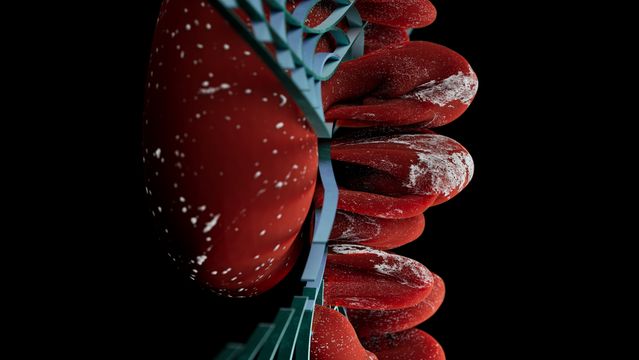
The human brain depends on a continuous supply of nutrients, oxygen and essential biochemical compounds to maintain its structure and functions. However, not every substance circulating in the bloodstream can enter brain tissue. A specialised biological structure called the blood-brain barrier (BBB) regulates the movement of molecules between the blood and the central nervous system. It protects the brain from potentially harmful substances while allowing selected nutrients and other essential compounds to reach the tissues that need them. Although this protective function is essential for maintaining neurological health, it also creates significant challenges for nutritional science, pharmaceutical research and the development of treatments for neurological conditions.
An important question emerging from modern computational biology is whether artificial intelligence can predict how different nutritional and therapeutic compounds interact with this barrier. Some substances cross through specialised transport proteins, while others are restricted, modified or actively transported back into the bloodstream. Their behaviour depends on several factors, including molecular structure, chemical properties, transporter availability, metabolism and the physiological condition of the individual. Artificial intelligence could help researchers analyse these interacting variables and estimate whether a particular compound is likely to reach the brain, in what quantity and through which biological pathway.
Blood-brain barrier transport intelligence represents an emerging research direction that combines computational chemistry, neuroscience, nutritional science and machine learning. Rather than examining compounds only according to their nutritional or therapeutic properties, this approach investigates how they behave at the biological boundary protecting the brain.
Understanding the Blood-Brain Barrier and Its Protective Function
The blood-brain barrier is formed primarily by specialised endothelial cells lining the blood vessels within the brain. These cells are connected by tightly regulated junctions that restrict the movement of substances between neighbouring cells. The surrounding biological environment also includes pericytes, astrocytes, basement membranes and other components that collectively contribute to the function of the neurovascular unit.
Unlike many blood vessels elsewhere in the body, brain capillaries do not allow unrestricted movement of substances from blood into surrounding tissues. Their selective permeability helps maintain a stable environment for neurons, which are particularly sensitive to changes in chemical composition. Excessive entry of toxins, pathogens, inflammatory molecules or other unwanted substances could interfere with normal neurological activity.
However, the BBB is not simply a physical wall. It is an active transport system containing specialised proteins that regulate the entry and removal of molecules. Nutrients such as glucose and selected amino acids rely on specific transport mechanisms to reach the brain. Other substances may enter through receptor-mediated transport or passive diffusion, depending on their molecular characteristics. Certain transport proteins also remove potentially harmful compounds from brain tissue.
This combination of physical protection and biochemical regulation makes the BBB difficult to model. A compound’s ability to enter the brain cannot always be determined by examining its size or chemical structure alone. Researchers must also consider the transport systems available at the barrier and how those systems behave under different physiological conditions.
How Nutritional Compounds Interact with the Brain’s Protective Barrier
Nutritional compounds have different relationships with the blood-brain barrier. Some are essential for brain metabolism and have dedicated transport systems, while others may enter only under particular conditions or have limited access to brain tissue.
Glucose Transport and Brain Energy Requirements
Glucose is one of the primary energy sources used by the brain. Because its movement across the BBB is regulated, it depends heavily on glucose transporter proteins, particularly GLUT1, which is expressed in brain endothelial cells. These transporters facilitate glucose movement from the bloodstream into the central nervous system.
The availability and activity of glucose transporters are therefore important for understanding how the brain receives energy. Changes in transporter expression, blood glucose conditions and neurological disease processes may influence glucose delivery. Research has also identified relationships between GLUT1 dysfunction and neurological complications, demonstrating why transporter activity matters beyond simply measuring glucose concentrations in the blood.
AI systems could analyse molecular and physiological information to estimate glucose transport under different conditions. Such models might eventually help researchers investigate how ageing, metabolic disorders or changes in vascular health influence nutrient availability within the brain. However, predicting glucose transport is not equivalent to determining an individual’s cognitive performance or diagnosing a neurological condition.
Amino Acid Transport and Competition Between Compounds
Amino acids contribute to neurotransmitter production, protein synthesis and several metabolic processes within the brain. However, their movement across the BBB is selective rather than unrestricted. Transport proteins such as LAT1, also known as large neutral amino acid transporter 1, facilitate the movement of particular amino acids across brain endothelial cells.
An important consideration is that multiple amino acids may use the same transport system. Consequently, the availability of one compound can influence the transport of another through competition for transporter access. This creates a more complex relationship than simply assuming that increasing dietary intake of an amino acid will proportionally increase its concentration in the brain.
AI could help researchers model these interactions by examining transporter affinity, circulating amino acid concentrations, molecular structures and competition between different substrates. Such predictions could improve the understanding of how nutritional conditions influence the availability of amino acids for neurological processes. Nevertheless, the relationship between dietary intake, blood concentrations and brain exposure remains dependent on digestion, metabolism, transport regulation and individual physiology.
Fatty Acids and the Delivery of Essential Lipids
The brain contains substantial quantities of lipids that contribute to cell membranes, signalling pathways and the structure of nervous tissue. Certain fatty acids are particularly important for maintaining these biological functions. However, the movement of fatty acids across the BBB involves specialised transport mechanisms and cannot be explained by assuming that all dietary fats enter brain tissue directly.
For example, the delivery of docosahexaenoic acid (DHA), an omega-3 fatty acid, involves transport pathways that include lysophosphatidylcholine-associated transport and the protein MFSD2A. This illustrates how the molecular form in which a nutrient circulates can influence its interaction with the BBB.
AI-based models could investigate how fatty acid structure, carrier molecules, transporter expression and circulating lipid profiles affect brain delivery. Such research may help scientists understand differences between lipid formulations and identify which molecular characteristics are associated with more effective transport. It could also support the development of improved delivery systems for compounds that are difficult to transport into the central nervous system.
How Therapeutic Compounds Interact with the Blood-Brain Barrier
The BBB is a major challenge in developing medicines for neurological diseases because a compound may demonstrate promising activity in laboratory experiments but fail to reach its intended target in sufficient quantities. A treatment designed to influence a brain receptor, enzyme or cellular pathway must achieve adequate exposure within the relevant part of the central nervous system.
Some small molecules can cross the barrier through passive diffusion, depending on their chemical characteristics. Others require specialised transport mechanisms or engineered delivery systems. Large biological molecules, including many antibodies and protein-based treatments, face additional difficulties because their size and molecular properties limit their ability to enter brain tissue.
Transporter proteins also influence drug availability. Efflux transporters such as P-glycoprotein and breast cancer resistance protein can move certain compounds from endothelial cells back towards the bloodstream. As a result, a drug may enter the barrier’s endothelial layer but still fail to accumulate in the brain at an effective concentration.
AI models could help researchers identify these challenges earlier in drug development. Instead of testing every candidate through lengthy experimental processes, computational systems can screen molecular structures and estimate their potential BBB permeability. This may help identify promising candidates, eliminate unsuitable compounds and guide modifications to existing drug molecules.
How Artificial Intelligence Can Predict Blood-Brain Barrier Transport
Artificial intelligence can examine relationships between molecular structure, chemical properties and experimentally measured transport outcomes. Traditional computational models often rely on predefined molecular descriptors, while more advanced machine learning systems can identify complex patterns across large chemical datasets.
A 2025 review of machine learning approaches to BBB permeability prediction describes several modelling strategies, including traditional machine learning, graph-based approaches and methods that process molecular representations such as SMILES. These techniques offer different ways to represent chemical compounds and estimate their ability to cross the barrier.
Molecular Structure Analysis
One of the first tasks in AI-based BBB prediction is understanding the chemical structure of a compound. Molecular weight, polarity, hydrogen-bonding capacity, lipophilicity and other physicochemical properties can influence how a substance interacts with biological membranes.
Machine learning models can use these characteristics to identify patterns associated with higher or lower BBB permeability. For example, a model trained on experimental measurements may learn that certain combinations of molecular properties are more frequently associated with brain penetration.
However, these predictions are not absolute rules. Two compounds with similar chemical characteristics may behave differently because they interact with different transporters, undergo different metabolic processes or are affected by biological conditions that are not represented in the model.
Transporter Interaction Prediction
A more advanced approach involves predicting how a compound interacts with specific BBB transport proteins. Instead of producing only a general permeability estimate, AI systems could examine whether a molecule is likely to be recognised by a nutrient transporter, affected by an efflux protein or dependent on receptor-mediated transport.
This distinction is important because a compound may have limited passive permeability but still reach the brain through a suitable transport pathway. Similarly, a molecule that appears capable of crossing a membrane may be actively removed by efflux transporters.
Combining transporter information with molecular descriptors could therefore produce more biologically meaningful predictions. Researchers may be able to investigate not only whether a compound can cross the BBB but also the mechanism that could facilitate or restrict its movement.
Deep Learning and Molecular Representation
Deep learning models can process molecular information in different formats. Graph neural networks represent compounds as networks of atoms and chemical bonds, allowing algorithms to investigate structural relationships. Other approaches use molecular fingerprints or text-based chemical representations to identify patterns associated with biological activity.
These models can be particularly useful when researchers need to screen large libraries of candidate compounds. However, their performance depends heavily on the quality, size and diversity of training data. A model trained primarily on conventional pharmaceutical molecules may not automatically predict the behaviour of complex nutritional compounds or naturally occurring substances accurately.
Integrating Nutritional Science with AI-Based Transport Intelligence
One of the most interesting opportunities for this research is the integration of nutritional data with BBB transport models. Conventional nutritional research often measures how much of a nutrient is consumed, absorbed or present in the bloodstream. However, these measurements do not necessarily reveal how much of that nutrient reaches the brain.
AI could help connect different stages of nutrient movement, beginning with dietary intake and digestion, followed by intestinal absorption, circulation, metabolism and interaction with BBB transport systems. By combining these datasets, researchers could develop more detailed models of nutrient availability within the central nervous system.
For example, a computational system could examine whether the circulating concentration of an amino acid, its competition with other substrates and the activity of its transport proteins are associated with differences in predicted brain exposure. Another model might investigate how the chemical form of a fatty acid influences its transport pathway.
This approach could also support the study of nutritional compounds found in plant-based foods, including polyphenols and other phytochemicals. However, the presence of a compound in a food does not establish that it crosses the BBB or produces a beneficial neurological effect. Its absorption, metabolism, circulating form and transport characteristics must be investigated separately.
Natural-product research is already exploring AI-based prediction of BBB permeability and related pharmacokinetic properties. These methods offer a starting point for investigating how computational models can evaluate compounds derived from biological sources.
The Role of BBB-on-Chip Technology in Improving AI Predictions
Computational predictions become more useful when they can be compared with experimental observations. One promising development is BBB-on-chip technology, which uses microfluidic systems and specialised cells to recreate selected features of the blood-brain barrier in a laboratory environment.
These systems can reproduce aspects of the interaction between endothelial cells and their surrounding biological environment. Researchers can introduce candidate compounds and observe how they move through the modelled barrier under controlled conditions.
When combined with AI, BBB-on-chip experiments could generate valuable datasets for improving transport predictions. Machine learning models could analyse experimental permeability measurements, transporter activity and cellular responses to identify patterns that are difficult to detect through conventional analysis alone.
Researchers could also compare predictions with observations from different cell-based models to identify where computational systems perform reliably and where they require improvement. Such integration may eventually reduce unnecessary experimentation and help prioritise promising therapeutic candidates.
However, BBB-on-chip systems are not complete representations of the human brain. Their ability to reproduce physiological conditions varies according to cell sources, experimental design and model complexity. They must therefore be validated carefully before their results can support clinical decisions.
Personalised Brain Transport Prediction
The behaviour of the BBB is not identical across every individual or every stage of life. Ageing, neurological diseases, vascular conditions, inflammation and genetic differences can influence the biological environment surrounding brain blood vessels.
These variations create an opportunity for personalised transport modelling. AI systems could eventually combine molecular information with individual biological measurements to estimate how particular compounds may behave under different physiological conditions.
For example, researchers might investigate whether changes in transporter expression are associated with differences in the predicted delivery of a therapeutic compound. Similarly, studies could examine how disease-related alterations in barrier integrity influence the movement of selected molecules.
Personalised models could also help explain why a drug produces different levels of brain exposure across individuals. However, developing clinically useful predictions will require reliable patient data, appropriate experimental validation and careful assessment of uncertainty. AI-generated estimates should not currently be interpreted as personalised medical instructions or recommendations to change medication or dietary intake.
Major Challenges in Developing Reliable AI Models
Despite its potential, blood-brain barrier transport intelligence faces several scientific and technical challenges. One major difficulty is the availability of consistent experimental data. BBB permeability measurements may differ depending on the laboratory method, experimental model, species, concentration and measurement conditions. Combining these results without accounting for their differences can introduce errors into machine learning systems.
Another challenge is that permeability is not the same as therapeutic effectiveness. A compound may cross the BBB but fail to reach the correct brain region, enter the relevant cells or interact with its intended biological target. Its concentration may also be insufficient to produce a meaningful effect or high enough to create unwanted toxicity.
Nutritional compounds create additional complexity because their behaviour can change during digestion and metabolism. A compound consumed in food may be converted into metabolites before entering circulation. AI models trained only on the original compound may therefore produce incomplete predictions about actual brain exposure.
There is also the problem of model interpretability. Researchers need to understand why an algorithm predicts that a compound will cross the BBB. Without explanations of the molecular and biological factors influencing a prediction, it becomes difficult to determine whether the model has identified a meaningful transport mechanism or simply learned a statistical association.
Finally, AI models must be tested on independent datasets and across different experimental conditions. High accuracy during training does not guarantee reliable performance in real biological systems. External validation, uncertainty estimation and experimental confirmation are essential before predictions can influence drug development or clinical research.
The Future of Blood-Brain Barrier Transport Intelligence
Future research may combine molecular AI, transporter biology, brain-on-chip experiments and physiologically based pharmacokinetic models to create more comprehensive predictions of compound movement. Rather than estimating permeability as a single outcome, these systems could model several stages, including circulation, endothelial interaction, barrier transport, tissue distribution and cellular uptake.
Another important direction is the development of models that distinguish healthy and disease-associated BBB conditions. The barrier may behave differently in certain neurological diseases, brain injuries or inflammatory conditions. AI systems trained on appropriately characterised datasets could help researchers investigate how these changes influence the delivery of specific compounds.
For pharmaceutical research, this could support the early identification of drug candidates with promising transport characteristics. For nutritional science, it could help clarify which nutrients and metabolites have plausible pathways for reaching the brain. For biotechnology, it may guide the design of delivery systems that interact with selected transport mechanisms.
The long-term objective is not to make the BBB less protective. Instead, it is to understand its selective transport processes more precisely so that essential nutrients can be studied more effectively and therapeutic compounds can be designed to reach appropriate targets without unnecessarily compromising brain protection.
Conclusion
Blood-brain barrier transport intelligence represents an important intersection of artificial intelligence, neuroscience, nutritional science and pharmaceutical development. The BBB regulates the movement of nutrients and therapeutic compounds through physical barriers, specialised transporters and active removal mechanisms. Consequently, predicting whether a substance reaches the brain requires more than examining its molecular size or chemical structure.
AI can help researchers analyse molecular properties, transporter interactions, experimental permeability measurements and physiological conditions to estimate how compounds may behave at this complex biological boundary. When combined with BBB-on-chip technology and validated experimental data, these models could improve the early evaluation of therapeutic candidates and expand research into the movement of nutritional compounds.
However, computational predictions remain estimates rather than definitive evidence of brain delivery or clinical benefit. Their reliability depends on high-quality datasets, biological accuracy, independent validation and an understanding of individual variability. As these technologies develop, AI may provide researchers with a more detailed way to investigate how the brain receives essential nutrients and how future treatments can reach the central nervous system more effectively.