 Anshika Jain
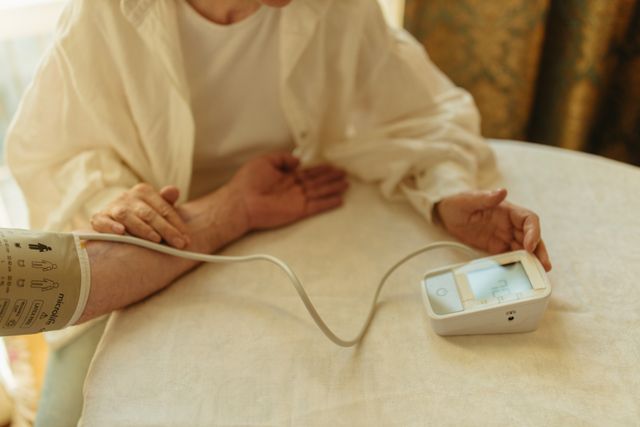
Self-care is often described as a collection of healthy habits, including eating nutritious food, exercising regularly, sleeping adequately, managing stress and maintaining personal hygiene. However, following these habits consistently is not simply a matter of knowing what is healthy. People must distribute limited resources across several competing responsibilities, including professional commitments, education, family care, household work and personal needs. As a result, even individuals who understand the importance of good health may struggle to devote sufficient time, energy and attention to maintaining it.
This creates an important question for modern health technology: can artificial intelligence understand how people distribute their limited resources across different health needs and identify where their self-care routines become difficult to maintain? The concept of Self-Care Resource Allocation Intelligence explores how AI could analyse everyday patterns to understand which health activities receive attention, which are repeatedly postponed and how competing demands influence personal well-being.
Unlike conventional health applications that primarily count steps, record meals or track sleep duration, a resource allocation system would examine the relationships between these activities. It could investigate whether demanding work schedules reduce time available for exercise, whether poor sleep affects meal preparation, or whether excessive screen use competes with activities that support physical and mental health. By combining behavioural information with contextual data, AI could potentially help individuals make more realistic decisions about their daily routines.
The objective would not be to maximise the number of health activities completed every day. Instead, it would be to understand how people can distribute their available resources more effectively without creating additional pressure or unrealistic expectations.
Understanding Self-Care as a Resource Allocation Problem
Every individual has a limited amount of time, physical energy and mental attention. These resources must be distributed across activities that may have different levels of urgency and importance. Sleep, balanced nutrition, physical activity, emotional well-being and preventive healthcare all require some degree of investment, but they compete with other responsibilities.
Time is the most visible limitation. A person who spends several hours working, commuting and managing household responsibilities may have fewer opportunities to prepare meals, exercise or complete a relaxing activity. Research on competing demands among people managing diabetes has found that employment and caregiving responsibilities can be associated with lower participation in self-care behaviours. This demonstrates that health-related decisions are influenced by the practical conditions of everyday life, rather than motivation alone.
Energy is another important resource. Two individuals may have identical schedules but different capacities to complete the same activities. Physical fatigue, inadequate sleep, demanding work and emotional strain can influence how much energy remains for cooking, exercising or maintaining a consistent routine. A schedule that appears manageable on paper may therefore be difficult to follow in practice.
Attention creates a third limitation. People regularly switch between notifications, conversations, deadlines, household responsibilities and personal tasks. This can make it difficult to concentrate on health decisions, such as planning a balanced vegetarian meal or recognising when a routine needs adjustment. Self-care resource allocation intelligence treats these three resources as interconnected rather than independent.
The Three Core Resources AI Could Analyse
Time Allocation Across Health Needs
Time allocation analysis would examine how much time a person spends on activities associated with health and how that distribution changes throughout the day or week. Relevant activities could include meal preparation, eating, walking, exercise, sleep, relaxation, personal care and healthcare appointments.
An AI system could identify patterns in which certain activities repeatedly receive less time than intended. For example, a person might plan to prepare a nutritious breakfast but regularly skip it because of an early work schedule. Another person may intend to walk in the evening but frequently postpone the activity because household responsibilities extend beyond the expected time.
The system could compare intended routines with actual behaviour and identify recurring conflicts. It might suggest a shorter activity, a different time window or a simpler meal-preparation approach. The purpose would be to identify realistic opportunities rather than assume that every individual can follow an ideal daily schedule.
Research using compositional data analysis has demonstrated why time allocation matters: increasing time spent on one activity necessarily reduces the time available for another. Studies have examined how reallocating time between sleep, sedentary behaviour and physical activity relates to health outcomes. However, the effects of a time reallocation can depend on the activities involved and the context in which the change occurs.
Energy Allocation and Physical Capacity
Energy allocation is more difficult to measure than time because it involves subjective experiences and changing physical conditions. A person may have sufficient free time for exercise but feel too exhausted to complete a demanding workout. Another person may have enough energy in the morning but experience a decline later in the day.
AI could investigate energy-related patterns by combining self-reported fatigue, sleep information, physical activity records, workload and routine changes. If a person consistently reports low energy after a particular schedule, the system could identify a possible relationship between daily demands and perceived capacity.
For example, someone who works for extended periods and sleeps irregularly may find it difficult to maintain an evening exercise routine. Instead of repeatedly recommending a longer workout, an intelligent system could suggest evaluating sleep consistency, reducing unnecessary scheduling pressure or choosing a manageable level of physical activity.
Energy estimates must remain cautious. A wearable device cannot directly measure a person’s complete physical or mental energy reserves. Heart rate, movement and sleep data are indirect indicators, and fatigue can have medical causes. AI should therefore treat energy-related predictions as estimates rather than diagnoses.
Attention Allocation and Mental Load
Attention determines which activities people notice, remember and prioritise. Even when time and physical capacity are available, frequent interruptions or mental overload can interfere with self-care decisions.
A person may spend considerable time browsing health information without converting that information into practical behaviour. Another individual may receive so many reminders from different health applications that important recommendations become difficult to distinguish from routine notifications.
AI could analyse patterns of application engagement, reminder responses and user-reported mental load to understand when digital interactions support self-care and when they create additional demands. A system might learn that a person responds more consistently to one useful reminder than to several notifications distributed throughout the day.
This is particularly important because digital health technology can unintentionally compete for the same attention it is designed to improve. The purpose of resource allocation intelligence should be to reduce unnecessary cognitive demands, not introduce another layer of monitoring.
How AI Could Build a Self-Care Resource Allocation Model
Integrating Personal Health and Behavioural Data
An effective system would need information from multiple sources. These could include activity trackers, sleep records, food diaries, calendar schedules, self-reported energy levels and personal health goals. Users might also provide information about work patterns, commuting, caregiving responsibilities and preferred meal timings.
The system could organise this information into a changing picture of daily resource distribution. For example, it might identify that a user spends more time sitting on working days, prepares fewer meals at home during busy periods and reports lower energy after nights of insufficient sleep.
Data integration would need to be selective and consent-based. A useful system should not collect every available personal detail simply because the technology makes it possible. It should gather only information that is relevant to the user’s chosen goals and explain how that information will be used.
Identifying Conflicts Between Health Activities
The next stage would involve detecting conflicts between activities. These conflicts may be direct, such as a work meeting overlapping with an exercise session, or indirect, such as a late-night workload reducing sleep and making the following day’s exercise less likely.
Machine learning models could examine historical patterns to identify which combinations of responsibilities are associated with repeated self-care interruptions. The system might discover that meal preparation becomes difficult on particular weekdays or that the user regularly abandons exercise plans after extended periods of screen-based work.
A conflict detection model could distinguish between occasional interruptions and persistent patterns. This distinction matters because a missed activity does not necessarily indicate a problem. Repeated disruption may, however, reveal that a routine is poorly matched to the individual’s circumstances.
Predicting Resource Shortages
Predictive modelling could estimate when a person is likely to experience a shortage of time, energy or attention for a planned health activity. For example, if a calendar indicates a particularly demanding day and the user has previously reported fatigue after similar schedules, the system might identify a higher likelihood of postponing exercise.
It could then suggest a more manageable alternative, such as a brief walk or a different activity window. Similarly, if a user has limited time for cooking, the system might recommend preparing a simple vegetarian meal using available ingredients rather than suggesting an elaborate recipe.
These predictions would not establish that a person will behave in a particular way. They would provide estimates based on past patterns and current information. Users should remain able to reject suggestions, correct inaccurate assumptions and decide which activities matter most to them.
Applying AI to Vegetarian Nutrition and Daily Food Planning
Nutrition is an important area where resource allocation intelligence could have practical applications. Maintaining a balanced vegetarian diet involves more than choosing healthy ingredients. It also requires time for planning, shopping, preparation, cooking and regular meals.
A person with limited time may depend heavily on packaged snacks or skip meals during demanding working days. Someone with sufficient time but low energy may find complex cooking routines difficult to maintain. An AI system could examine these barriers and help create food plans that match the user’s actual circumstances.
For example, it could suggest preparing a batch of dal, cooking whole grains in advance or keeping washed vegetables available for quick meals. It might recommend combinations involving pulses, vegetables, whole grains, nuts, seeds and dairy products, depending on the individual’s dietary preferences and nutritional requirements.
The system could also consider the relationship between nutrition and other health resources. If late working hours repeatedly lead to irregular meals, it could identify meal timing as a routine that may need adjustment. If a user spends considerable time planning meals but struggles with preparation, the system could suggest simpler recipes with fewer ingredients.
However, AI-generated food recommendations must account for allergies, medical conditions, nutritional deficiencies and individual dietary requirements. A system should not assume that all vegetarian diets are nutritionally complete or that one meal plan is appropriate for everyone. Where clinical nutrition advice is required, professional guidance remains important.
Understanding the Interaction Between Sleep, Exercise and Recovery
Self-care activities influence one another. Sleep affects alertness and perceived energy, while physical activity can influence sleep patterns and general well-being. Nutrition supports the body’s energy and recovery requirements, and stress can affect the consistency of all three behaviours.
A resource allocation system could investigate these relationships instead of treating sleep, exercise and nutrition as separate tracking categories. For example, it might identify that a person regularly schedules exercise late in the evening but also reports difficulty maintaining a consistent bedtime. This would not automatically establish that exercise is causing the sleep difficulty, but it could provide a reason to examine the timing and intensity of the activity.
AI could also identify whether a person repeatedly allocates available time to work or entertainment at the expense of sleep. It could then present the pattern in a way that helps the individual consider alternative arrangements.
Research on time reallocation suggests that the relationship between daily activities and health is complex. Replacing sedentary time with physical activity may have different associations with health depending on the duration, intensity and context of the activities involved. Therefore, AI recommendations should consider the complete daily routine rather than focus on isolated targets.
Personalised Self-Care Recommendations Through Adaptive AI
Traditional wellness applications often provide similar reminders and targets to users with very different lifestyles. A resource allocation model could move beyond fixed recommendations by learning how an individual responds to different suggestions.
For one person, a morning walk may be practical because evenings are occupied by family responsibilities. Another person may find morning exercise difficult but have more flexibility after work. Similarly, a user who enjoys cooking may prefer preparing meals from fresh ingredients, while someone with a demanding schedule may benefit from simple meal preparation and advance planning.
Adaptive AI could learn from whether recommendations are accepted, postponed, modified or ignored. Over time, it could adjust the timing, frequency and complexity of suggestions. Research into AI-enabled digital behaviour change interventions has explored the use of machine learning, reinforcement learning and conversational systems to support real-world health behaviours. However, the evidence base still has limitations, including questions about long-term effectiveness and the ability to establish causal effects.
A particularly important feature would be recommendation restraint. If a person already has a demanding day, the system should not automatically add more health tasks. It may be more useful to help protect sleep, simplify meal preparation or reduce unnecessary reminders. Effective self-care support should make healthy behaviour easier to maintain, not turn personal well-being into another performance target.
Applications in Preventive Health and Everyday Well-Being
Self-care resource allocation intelligence could support several areas of everyday health management. For people with busy professional schedules, it could identify recurring conflicts between work and health activities. For students, it could help examine how academic pressure affects sleep, meal timing and physical activity. For caregivers, it could highlight the difficulty of maintaining personal health routines while meeting family responsibilities.
It could also support people managing long-term health conditions by helping them organise routine activities such as medication schedules, dietary planning, exercise and healthcare appointments. In these cases, AI should assist with organisation and adherence rather than independently change medical treatment.
At a broader level, anonymised and responsibly collected data could help researchers understand how different populations distribute time and attention across health needs. Such analysis might reveal that certain groups experience greater barriers because of working hours, transport demands, household responsibilities or limited access to healthy food.
These applications could help shift digital wellness technology from simple activity tracking towards a more contextual understanding of everyday health behaviour.
Challenges, Privacy and Ethical Considerations
The development of this technology presents important challenges. First, personal data may be incomplete or inaccurate. Calendar entries do not necessarily represent actual activity, wearable devices cannot measure every aspect of fatigue and food diaries may not capture everything a person consumes. AI predictions based on incomplete information can therefore produce misleading conclusions.
Second, resource allocation is influenced by circumstances that technology cannot easily observe. Financial pressure, unsafe neighbourhoods, disability, caregiving responsibilities and limited access to healthcare can all affect self-care opportunities. A system that interprets these barriers as poor motivation could unfairly blame individuals for conditions outside their control.
Privacy is equally important. Health records, daily schedules, location information and behavioural patterns are sensitive. Systems should use data minimisation, clear consent, strong security and transparent explanations. Users should be able to access, correct and delete information according to the applicable data-protection requirements.
There is also a risk of excessive optimisation. If an AI system constantly evaluates whether a person has spent enough time exercising, eating well or relaxing, it may create additional stress. Self-care should remain flexible and responsive to personal circumstances. The system must recognise that rest, social connection and unstructured time can also be valuable.
Finally, predictions should not be confused with medical advice. AI may identify patterns that deserve attention, but it cannot independently diagnose the causes of persistent fatigue, sleep problems, nutritional deficiencies or other symptoms. Clinical evaluation is necessary when health concerns require medical assessment.
The Future of Self-Care Resource Allocation Intelligence
The next generation of digital wellness technology may combine behavioural analysis, wearable sensing, calendar information, conversational AI and personalised recommendation systems. Instead of simply telling people to sleep longer, exercise more or eat healthier food, these systems could examine why particular activities are difficult to maintain within an individual’s daily routine.
Future models may become better at identifying the relationship between competing responsibilities and health behaviours. They could help people understand which changes are realistic, when routines need to be simplified and where limited time or attention could be used more effectively. They may also support research into how resource distribution differs across age groups, professions, family structures and health conditions.
Nevertheless, meaningful progress will require more than accurate prediction. Researchers must establish whether AI-generated recommendations actually improve health behaviours and outcomes over time. Long-term studies, user-centred design and independent evaluation will be necessary to determine which approaches are useful and which create unnecessary monitoring burdens.
Conclusion
Self-Care Resource Allocation Intelligence represents a potential shift in how artificial intelligence supports personal health. Rather than focusing only on individual habits, it examines how people distribute limited time, energy and attention across nutrition, sleep, exercise, recovery and other health needs.
By combining behavioural data, personal schedules, self-reported experiences and health information, AI could identify recurring conflicts, estimate potential resource shortages and suggest more realistic routines. It could also help individuals maintain balanced vegetarian eating patterns, organise daily physical activity and protect time for adequate rest.
The central purpose of this technology should not be to make people complete more tasks. It should help them understand the conditions that shape their health decisions and make better use of the resources they already have. When designed responsibly, AI could become a supportive tool for practical, flexible and sustainable self-care rather than another source of pressure.