 Anshika Jain
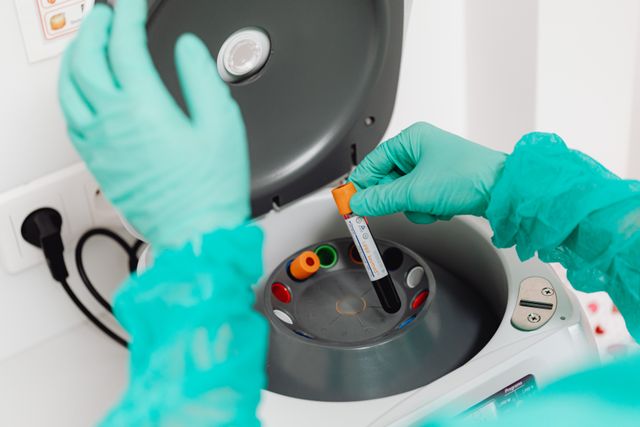
Medical diagnosis has traditionally depended on laboratories equipped with specialised instruments, trained technicians and carefully controlled testing environments. When a patient needs a blood analysis, infection screening or biochemical assessment, samples are usually collected at a healthcare facility and transported to a diagnostic laboratory. Although this system supports accurate and sophisticated testing, it can create delays, increase costs and make regular monitoring difficult for people who live far from medical centres or require frequent examinations.
Lab-on-a-chip technology could change how certain diagnostic tests are performed. By integrating miniature channels, reaction chambers, sensors and analytical components onto a small device, it aims to reproduce selected laboratory processes on a compact platform. Instead of requiring large instruments and extensive laboratory infrastructure, a small chip can manipulate tiny quantities of biological samples and perform multiple analytical steps within a limited space.
When combined with artificial intelligence, lab-on-a-chip systems could become more than miniature testing devices. AI could help interpret complex signals, identify patterns across multiple biomarkers, assess sample quality and translate measurements into useful diagnostic information. This combination may eventually bring selected forms of sophisticated testing closer to patients, including homes, community clinics and remote healthcare settings.
However, the technology is not a universal replacement for conventional laboratories. Its success will depend on analytical accuracy, affordability, clinical validation, usability and the ability to distinguish reliable results from uncertain measurements. Understanding how lab-on-a-chip health AI works provides a useful perspective on the future of decentralised diagnostics.
Understanding Lab-on-a-Chip Technology
Lab-on-a-chip, commonly abbreviated as LOC, refers to a technology that integrates one or more laboratory processes onto a small platform. These devices use microfluidics, a field concerned with controlling very small volumes of fluids through microscopic channels. A chip may contain structures designed to collect, separate, mix, transport or analyse biological samples.
Traditional laboratory procedures often involve multiple stages. A sample may need preparation, separation, chemical treatment, incubation and measurement before a result can be produced. Lab-on-a-chip devices aim to combine some of these stages within a single compact system. The sample moves through specially designed channels and reaction areas, where different analytical processes take place.
The platform may be manufactured using glass, polymers, silicon or other materials suitable for handling biological fluids. Depending on the intended application, it can include microscopic valves, pumps, electrodes, optical sensors and chemical reaction chambers. Some systems use external readers to interpret the results, while others integrate electronic components directly into the device.
The main advantage is the ability to perform selected laboratory functions using very small sample volumes. This can be useful when testing requires only a limited amount of blood, saliva, urine or another biological specimen. Miniaturisation may also reduce reagent consumption and allow certain procedures to be performed outside large diagnostic laboratories.
However, reducing the physical size of a laboratory does not automatically make every test simpler. Each diagnostic application requires a carefully designed chip that can handle its target sample, identify the relevant biological markers and produce reliable measurements.
How AI Enhances Miniature Diagnostic Laboratories
Lab-on-a-chip devices can generate different forms of data depending on their design. Some detect changes in electrical signals, while others measure light absorption, fluorescence, chemical reactions or the movement of particles through microchannels. Interpreting these signals accurately is essential to producing meaningful diagnostic results.
Artificial intelligence can support this process by analysing complex measurements and identifying patterns that may be difficult to interpret using simple thresholds. Machine learning models can be trained on validated datasets containing sensor readings, laboratory reference results and relevant clinical information. Once appropriately validated, these models may help classify signals, estimate concentrations and identify unusual patterns.
For example, a chip designed to detect infection-related biomarkers may produce several measurements rather than one straightforward positive or negative signal. AI could examine the combined pattern to help distinguish between different biological responses. In another application, a device may measure several biochemical indicators and use an analytical model to identify combinations that deserve further investigation.
AI can also support quality control. Miniature diagnostic systems may be affected by variations in temperature, sample volume, reagent condition, sensor sensitivity and manufacturing consistency. An AI model could examine the measurement conditions and identify readings that appear inconsistent with expected performance. This could help flag potentially unreliable tests rather than presenting every measurement as equally trustworthy.
Importantly, AI does not make an inaccurate chip accurate simply by processing its data. The underlying sensor, sample preparation and analytical method must first be capable of producing dependable measurements. AI should improve interpretation and workflow, not conceal weaknesses in the diagnostic process.
Microfluidics: The Technology Behind Compact Testing
Microfluidics is one of the central technologies that makes lab-on-a-chip systems possible. It involves the movement and manipulation of extremely small quantities of liquid through microscopic channels. At this scale, fluid behaviour differs from what is commonly observed in larger containers. Surface forces, channel geometry and fluid viscosity can have a major influence on how samples move.
A microfluidic chip can guide a biological sample through several specialised areas. One section may separate cells from plasma, another may mix the sample with a reagent, and a further section may contain a sensor that detects a target molecule. These processes can be integrated into a compact structure, reducing the need for separate laboratory equipment.
The design of the channels is particularly important. Their dimensions, surface properties and branching patterns influence how efficiently samples move through the device. Air bubbles, unwanted particles and variations in fluid flow can interfere with measurements. Engineers must therefore carefully control the chip’s internal structure and the conditions under which it operates.
AI could assist in optimising microfluidic design by analysing experimental results and predicting how different channel configurations affect fluid movement and detection performance. Computational models may also help researchers identify design parameters that improve mixing, reduce sample loss or increase the consistency of reactions.
This combination of microfluidics and AI could make diagnostic devices more adaptable. Nevertheless, each chip still requires testing under realistic conditions to establish whether its performance remains reliable across different sample types and user environments.
Bringing Blood Testing Closer to Home
Blood testing is one of the most important potential applications of lab-on-a-chip health AI. Blood contains a wide range of cells, proteins, hormones, metabolites and other biological indicators. Conventional laboratory equipment can measure many of these substances with high precision, but some tests require specialised instruments and trained personnel.
A lab-on-a-chip device could potentially analyse selected blood components using a much smaller sample. Depending on the design, it may separate blood cells from plasma, detect particular proteins or measure specific biochemical markers. A portable reader could then process the chip’s output and display the result.
AI may help interpret combinations of measurements and compare them with validated reference ranges. For example, a system designed for monitoring a particular chronic condition could track selected biomarkers over time and highlight changes that may require professional review.
Home-based testing could be especially useful for patients who need regular monitoring but find frequent laboratory visits difficult. It may also support healthcare delivery in areas where access to diagnostic facilities is limited.
However, not all blood tests can be transferred to a home-based chip. Some analyses require complex sample preparation, specialised laboratory conditions or more sensitive measurement techniques. A device that performs one specific test successfully should not be assumed to provide the same accuracy across an entire blood profile.
Detecting Infectious Diseases With Portable Diagnostic Chips
Infectious disease testing is another important area for lab-on-a-chip development. Many infections are identified through the detection of genetic material, antigens, antibodies or other biological markers. Some conventional testing methods require laboratory infrastructure, specialised equipment and trained professionals.
Microfluidic devices can integrate selected stages of these testing processes into a compact platform. Depending on the technology, a chip may prepare a sample, concentrate target material and perform a detection reaction. Certain systems are designed to support nucleic acid amplification, while others use immunoassays or alternative biosensing methods.
AI can contribute by analysing signals produced during detection and distinguishing meaningful patterns from background noise. It may also help assess whether a sample has been processed correctly or whether the resulting measurement falls within the system’s validated operating conditions.
Portable diagnostic chips could be valuable in community healthcare centres, emergency settings and regions where access to central laboratories is limited. Faster access to selected test results may help healthcare professionals make decisions about further examination, treatment or isolation.
Nevertheless, infection testing requires careful interpretation. A negative result does not always exclude infection, particularly when the sample is collected at an unsuitable stage of illness or contains insufficient target material. A positive result may also require clinical interpretation depending on the test design. Portable devices must communicate these limitations clearly and provide appropriate instructions for confirmatory testing when necessary.
Monitoring Chronic Conditions Through Repeated Testing
Many chronic conditions require patients to monitor selected biological indicators over extended periods. Diabetes management, kidney-related monitoring and certain cardiovascular conditions may involve repeated laboratory tests or measurements. These assessments help healthcare professionals understand how a condition is changing and whether treatment needs adjustment.
Lab-on-a-chip devices could make some forms of repeated testing more accessible. A patient may be able to perform a validated test at home or at a nearby healthcare centre without relying on a full laboratory visit for every measurement.
AI could add value by examining trends rather than treating each result as an isolated event. A series of measurements may reveal gradual changes that are not obvious from one test alone. An analytical system could compare new results with previous measurements and identify patterns that deserve clinical attention.
For example, a monitoring platform might track a specific biomarker associated with a chronic condition and display how it changes over several weeks. It could also combine measurements with information supplied by the patient, such as medication timing or symptoms, if the system has been designed and validated to use those data.
However, AI-generated trends should not be interpreted as independent treatment instructions. Changes in medication, diet or clinical management must be guided by appropriate healthcare professionals. The purpose of these systems should be to support better-informed decisions, not to replace medical supervision.
Personalised Diagnostics Through Multi-Biomarker Analysis
One of the most interesting possibilities of lab-on-a-chip health AI is the simultaneous analysis of multiple biological markers. Human health rarely depends on a single measurement. Several biomarkers may interact, and their combined pattern can provide more information than an isolated result.
A conventional diagnostic workflow may require multiple tests, sometimes performed using different instruments. A specialised microfluidic chip could potentially contain separate reaction areas for several targets. Each area would perform a particular measurement, allowing multiple results to be generated from one sample.
AI could then examine the relationship between these measurements. Instead of simply reporting that one marker is above or below a reference range, the system might identify a combination of values associated with a particular physiological pattern. This could support more detailed screening and monitoring when the model has been validated for that clinical purpose.
Multi-biomarker analysis may also contribute to personalised healthcare. Different individuals can have different baseline values because of age, biological variation, medication use and other factors. Repeated measurements could help clinicians understand how a person’s results change over time.
However, more measurements do not always produce better diagnoses. A model trained on a limited dataset may identify patterns that do not generalise to other populations. Researchers must establish that multi-marker models provide meaningful improvements over simpler diagnostic methods before they are used in clinical settings.
The Role of Biosensors in Lab-on-a-Chip Systems
Biosensors are essential components of many lab-on-a-chip platforms. A biosensor detects a biological target and converts the interaction into a measurable signal. Depending on the design, the target may be a protein, nucleic acid, metabolite, cell or other substance.
Some biosensors rely on electrical measurements. Others use optical methods, changes in fluorescence, mechanical responses or chemical reactions. The choice depends on the target molecule, the required sensitivity, the sample type and the intended testing environment.
AI can help process the signals generated by biosensors. In some applications, the raw signal may contain background interference, noise or variations caused by environmental conditions. Machine learning techniques may help identify useful signal features and estimate the likelihood that a target is present.
The system may also compare sensor performance against expected calibration behaviour. If a sensor produces an unusual response, the software could flag the measurement for review rather than generating a potentially misleading result.
Nevertheless, biosensor performance depends on factors such as selectivity, sensitivity, stability and resistance to interference. A sensor must be able to detect its intended target without responding incorrectly to unrelated substances. AI cannot reliably compensate for a sensor that lacks the necessary analytical specificity.
Applications in Rural Healthcare and Remote Communities
Access to diagnostic testing remains uneven across many regions. People living far from major hospitals may face difficulties travelling to laboratories, arranging sample transportation and receiving results within a reasonable period. In such settings, portable diagnostic technologies could support a more decentralised approach to healthcare.
Lab-on-a-chip devices may allow selected tests to be performed in primary healthcare centres, mobile clinics and community medical facilities. Some systems could be designed for operation by trained healthcare workers without requiring the infrastructure of a large diagnostic laboratory.
AI-assisted interpretation may help standardise the analysis process, especially where access to specialist laboratory expertise is limited. A connected platform could also transmit results to authorised healthcare professionals for review, supporting remote consultations and follow-up.
This does not mean that every rural clinic or home will be able to perform advanced testing independently. Devices still require maintenance, suitable storage conditions, quality control, reliable power and access to consumables. Healthcare workers must also receive appropriate training.
The most practical model may involve a combination of local testing and centralised clinical support. Routine measurements could be performed closer to patients, while complex or uncertain cases could be referred to established laboratories and medical specialists.
Challenges in Accuracy, Validation and Reliability
Despite its promise, lab-on-a-chip health AI faces significant technical and clinical challenges. The first is analytical accuracy. A diagnostic device must detect its target reliably, even when the sample contains very small quantities of the relevant substance. It must also avoid false-positive and false-negative results.
Sample preparation can be particularly difficult. Blood, saliva and other biological fluids contain multiple components that may interfere with detection. A chip must separate or manage these substances appropriately before the target can be measured. Inconsistent sample collection can further affect the result.
Manufacturing consistency is another concern. Tiny differences in channel dimensions, surface coatings or sensor properties may influence the performance of a microfluidic device. Large-scale production must maintain consistent quality across individual chips and manufacturing batches.
AI models introduce additional validation requirements. They must be tested using representative datasets and evaluated across different populations, sample conditions and operating environments. A model that performs well in a research laboratory may not achieve the same performance when used by people at home.
Regulatory oversight is also important. Diagnostic devices intended for medical decision-making generally require evidence of safety, accuracy and effectiveness under their intended conditions of use. The AI component must be evaluated alongside the physical testing platform because errors can arise from either part of the system.
Privacy, Security and Responsible Use of Diagnostic Data
Home-based diagnostic technologies may generate sensitive personal information. Test results can reveal details about a person’s health, disease risk, treatment response and biological characteristics. When devices connect to mobile applications or cloud platforms, this information may be transmitted beyond the physical testing environment.
Protecting diagnostic data requires secure storage, encrypted communication, access controls and clear consent procedures. Users should understand which information is collected, who can access it and whether it is shared with healthcare providers, technology companies or research organisations.
AI transparency is equally important. A diagnostic application should explain whether it is reporting a direct measurement, an estimated value or a model-generated interpretation. It should communicate uncertainty and avoid presenting screening results as confirmed diagnoses.
There is also a risk of over-reliance on home testing. A person may delay professional care because a device reports a normal result, even when symptoms require medical evaluation. Clear guidance must explain when users should seek medical advice regardless of the test output.
Responsible deployment should therefore combine accessible technology with clinical oversight, understandable communication and strong privacy protections.
The Future of Lab-on-a-Chip Health AI
The future of lab-on-a-chip health AI will depend on progress in microfluidics, biosensor design, materials science, electronics and machine learning. Improvements in manufacturing may make devices smaller, more affordable and easier to produce consistently. More sensitive sensors could expand the range of biological targets that can be measured using compact platforms.
AI systems may also become better at interpreting multiple signals, detecting sample-quality problems and identifying patterns across repeated measurements. Edge computing could allow certain analyses to take place directly on a portable reader or connected smartphone, reducing the need to transmit raw data to remote servers.
Another promising direction is the development of integrated diagnostic platforms that combine sample preparation, detection and result interpretation within a single workflow. These systems could reduce the number of manual steps required to perform selected tests.
However, the most successful products may not be those that attempt to reproduce an entire diagnostic laboratory on one chip. Specialised devices designed for clearly defined clinical needs may be more practical, easier to validate and more affordable. Their value will depend on whether they improve access, reduce delays or support better health outcomes compared with existing diagnostic approaches.
Conclusion
Lab-on-a-Chip Health AI could bring selected forms of laboratory testing closer to patients by combining miniature fluid-handling systems, biosensors and intelligent data analysis. These platforms may eventually support portable blood testing, infectious disease screening, chronic-condition monitoring and multi-biomarker analysis in homes and community healthcare settings.
AI could make these devices more useful by interpreting complex sensor signals, identifying patterns across several measurements and helping detect potentially unreliable results. Microfluidics could reduce sample and reagent requirements, while compact readers may make certain diagnostic procedures easier to perform outside traditional laboratories.
However, miniaturisation does not remove the need for accuracy, quality control and clinical validation. Every diagnostic application must demonstrate that it can produce dependable results under realistic conditions. Privacy, affordability, user training and access to professional medical advice will also influence adoption.
The future of decentralised diagnostics may not involve eliminating conventional laboratories. Instead, it may create a connected healthcare system in which selected tests can be performed closer to patients, while complex investigations and clinical decisions continue to receive appropriate laboratory and medical support. If developed responsibly, lab-on-a-chip health AI could make diagnostic testing more accessible, timely and personalised.