 Anshika Jain
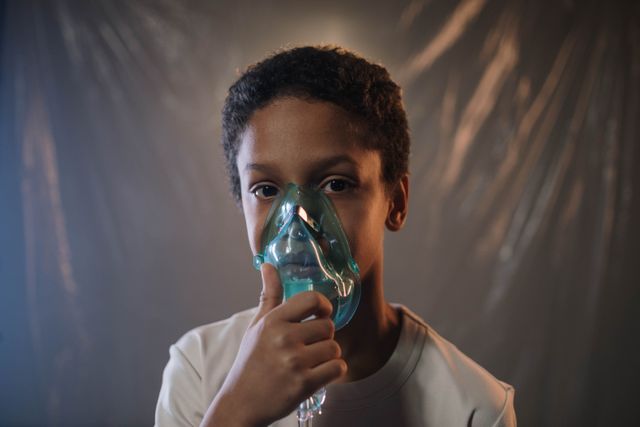
Breathing is one of the body’s most continuous and essential functions, yet people rarely pay attention to how their breathing changes throughout the day. The respiratory system automatically adjusts its activity when a person walks, exercises, speaks, sleeps, experiences stress or performs physically demanding tasks. These adjustments help maintain the supply of oxygen and the removal of carbon dioxide according to the body’s changing requirements. Although breathing usually happens without conscious effort, its patterns contain valuable information about physical activity, environmental conditions and aspects of physiological regulation.
Traditionally, respiratory assessment has relied on clinical observation, respiratory rate measurements, spirometry and other specialised medical tests. These methods can provide important information, but they generally capture breathing under specific conditions or during defined periods. Everyday breathing, however, is dynamic. A person’s respiratory rhythm may change when climbing stairs, carrying groceries, speaking during a meeting or recovering after physical exertion. Understanding these changes continuously could provide a broader picture of respiratory behaviour.
This is where Respiratory Pattern Intelligence becomes relevant. The concept explores how artificial intelligence can analyse breathing-related signals, identify changes in respiratory mechanics and recognise patterns associated with different everyday activities. AI systems could process information collected through wearable sensors, smart devices, acoustic recordings and other non-invasive technologies. By examining breathing rate, rhythm, depth, variability and recovery patterns, these systems may help distinguish normal activity-related changes from unusual patterns that deserve further attention.
However, recognising a change in breathing does not automatically explain its cause. Physical exertion, emotional stress, posture, temperature, respiratory illness and individual physiology can all influence breathing. AI must therefore interpret respiratory information in context rather than treating every variation as a sign of a health problem. Understanding the possibilities and limitations of this technology is essential to exploring how intelligent respiratory monitoring could develop.
Understanding Respiratory Patterns and Breathing Mechanics
Respiration involves the coordinated activity of the lungs, diaphragm, respiratory muscles, airways and nervous system. During inhalation, the diaphragm contracts and moves downward, while the chest cavity expands to allow air to enter the lungs. During normal exhalation, the respiratory muscles generally relax and the lungs return towards their resting position. More forceful breathing can involve additional muscles in the chest, neck and abdomen.
Breathing mechanics describe how air moves into and out of the respiratory system and how the body generates the movements required for ventilation. Several characteristics help describe this process, including respiratory rate, tidal volume, breathing rhythm, inspiratory and expiratory duration, airflow and respiratory muscle activity.
Respiratory rate refers to the number of breaths taken per minute. It commonly increases during physical activity because the body requires greater ventilation. Tidal volume represents the amount of air inhaled or exhaled during a normal breath. During exercise, both breathing rate and tidal volume may increase, although the precise response varies with activity intensity and individual physiology.
Breathing rhythm also provides useful information. A person may breathe steadily while resting but develop a faster, deeper pattern while walking uphill. During speech, breathing becomes coordinated with pauses between phrases. Sleep introduces additional variations as breathing patterns change across different sleep stages and body positions.
These characteristics should not be interpreted independently. A faster respiratory rate may be expected after exercise, while the same rate under resting conditions may require a different interpretation. Respiratory pattern intelligence aims to understand these relationships by examining several features together and comparing them with the person’s usual patterns and current activity.
What Is Respiratory Pattern Intelligence?
Respiratory Pattern Intelligence refers to the use of computational methods, particularly artificial intelligence and machine learning, to analyse breathing-related signals and identify meaningful patterns in respiratory behaviour.
The concept extends beyond simply counting breaths. A basic monitoring device may record how many times a person breathes in one minute. An intelligent respiratory system could examine how breathing changes across different activities, whether inhalation and exhalation remain coordinated, how respiratory patterns vary over time and how quickly breathing returns towards a resting state after exertion.
For example, an AI system might analyse a person’s breathing while sitting, walking, climbing stairs and speaking. It could identify differences in respiratory rhythm and compare those differences with the person’s historical measurements. It might also examine whether changes in breathing occur alongside changes in movement, heart rate or body posture.
The objective would be to create a contextual understanding of respiratory behaviour. Instead of interpreting an isolated measurement, the system would examine patterns across activities and time periods.
This approach could support research, personal wellness monitoring and selected clinical applications. It may also help identify situations in which a person experiences noticeable changes in breathing that could be worth discussing with a healthcare professional. However, respiratory pattern intelligence is not itself a diagnosis, and its usefulness depends on the accuracy of its sensors, algorithms and validation.
How AI Can Recognize Changes in Breathing Mechanics
AI-based respiratory monitoring depends on collecting reliable signals and identifying patterns that correspond to breathing activity. Different technologies can capture different aspects of respiration, and combining them may provide a more complete picture.
Wearable Sensors and Respiratory Movement
Wearable devices can monitor changes in chest or abdominal movement using technologies such as stretch sensors, pressure sensors and respiratory belts. These devices detect expansion and contraction associated with breathing. Some wearable systems use inertial measurement units to identify body movement and changes in posture that may accompany respiratory activity.
AI models can analyse these signals to estimate respiratory rate, identify breathing cycles and examine changes in movement amplitude. For example, a system may detect that chest movement becomes more pronounced during physical activity or that breathing rhythm becomes irregular during a particular period.
The interpretation must account for movement-related interference. Walking, running and changing posture can produce signals that overlap with respiratory movement. Advanced algorithms may attempt to separate these sources by combining multiple sensors or using signal-processing techniques.
Acoustic Breathing Analysis
Breathing produces sounds as air moves through the upper and lower respiratory passages. These sounds can be captured using microphones or specialised acoustic sensors placed near the body. AI systems can process audio signals to identify respiratory cycles and, under appropriate conditions, distinguish certain types of respiratory sounds.
Acoustic analysis may help identify changes in airflow patterns, breathing rhythm and the presence of sounds such as wheezing or coughing. However, environmental noise, speech, microphone position and background activity can reduce accuracy.
An ordinary smartphone microphone should not be treated as a reliable substitute for a medical respiratory examination. Acoustic signals may provide useful information in controlled or validated monitoring systems, but identifying a sound does not establish its medical cause.
Camera-Based Respiratory Monitoring
Computer vision offers another possible method for estimating breathing patterns without requiring a person to wear a sensor. Cameras can detect subtle movements of the chest, shoulders or abdomen associated with inhalation and exhalation.
Some research approaches use image-processing techniques to measure small changes in body position or movement over time. AI can then analyse the recorded motion to estimate respiratory rhythm.
This method may be useful in controlled environments, remote monitoring research and settings where physical contact with sensors is undesirable. Nevertheless, lighting conditions, clothing, camera angle, body movement and privacy restrictions can affect its performance.
Combining Multiple Physiological Signals
A more advanced system could combine respiratory movement with other physiological measurements. Heart rate, blood oxygen saturation, body temperature and physical activity data may provide additional context for interpreting respiratory patterns.
For example, a faster breathing rate accompanied by increased movement and heart rate may be consistent with physical exertion. The same respiratory change occurring while a person is resting may require a different interpretation.
Multimodal AI models could examine relationships among these signals rather than treating each measurement separately. However, additional data does not automatically produce more accurate conclusions. Sensors must be reliable, measurements must be properly synchronised and the model must be trained and validated for its intended use.
Everyday Activities That Change Breathing Patterns
Breathing mechanics are continuously influenced by physical and environmental conditions. Understanding these everyday variations is essential for developing systems that can distinguish expected physiological responses from unusual patterns.
Walking and Climbing Stairs
Walking generally increases the body’s energy requirements, resulting in adjustments to ventilation. The respiratory rate and depth may rise depending on walking speed, distance, terrain and individual fitness. Climbing stairs often creates a greater demand because the body must work against gravity.
An AI respiratory system could compare breathing patterns during different walking conditions. It might examine how quickly respiratory rate increases, whether breathing remains regular and how it changes after the person stops moving.
Such information could help establish an individual’s usual response to routine activity. However, a single increase in breathing during stair climbing should not be interpreted as evidence of respiratory impairment. Age, fitness, health status and environmental conditions influence the response.
Speaking and Conversation
Speaking changes the normal breathing cycle because speech requires controlled exhalation. People generally inhale between phrases and regulate the release of air to produce words. Longer sentences, public speaking and emotionally demanding conversations may alter breathing rhythm.
An AI system could examine the relationship between respiratory cycles and speech activity. It might identify changes in breathing pauses or variations in respiratory rhythm during extended conversation.
This area could be relevant to speech research, communication studies and selected rehabilitation settings. However, breathing patterns during conversation vary widely, and a model would need to distinguish normal speech-related changes from other respiratory events.
Exercise and Physical Exertion
Physical exercise produces substantial changes in respiratory activity. As muscles require more oxygen and produce more carbon dioxide, ventilation increases to support the body’s metabolic requirements. The magnitude of the response depends on exercise intensity, duration, fitness and individual physiology.
AI could analyse respiratory patterns during exercise and recovery. It might examine how quickly breathing increases with activity, how it changes as exercise intensity rises and how long it takes to approach the person’s usual resting pattern after exertion.
This information could be useful in sports science and fitness monitoring, particularly when combined with movement and heart-rate data. Nevertheless, consumer wearables cannot automatically provide a clinical assessment of lung function or exercise capacity.
Stress and Emotional Responses
Emotional states can influence breathing through interactions between the nervous system, respiratory control and physiological arousal. Stress may be accompanied by faster or shallower breathing, changes in respiratory rhythm or episodes of breath-holding. However, these responses differ considerably between individuals and situations.
AI systems could examine whether breathing patterns change during activities that users identify as stressful. They might compare respiratory measurements before, during and after a particular event.
Such analysis could support research into stress and breathing awareness. It should not be used to claim that a person is anxious, distressed or experiencing a particular psychological condition based solely on respiratory data. Breathing is influenced by numerous factors, and emotional interpretation requires caution.
Sleep and Rest
Breathing patterns change during sleep because respiratory control and muscle activity vary across sleep stages. Body position, nasal congestion, sleep-related conditions and other factors may also influence breathing.
AI-enabled sleep monitoring could examine respiratory rate, rhythm and variation throughout the night. When supported by validated sensors, it may help identify patterns that warrant further clinical evaluation.
However, consumer sleep trackers should not be treated as substitutes for diagnostic sleep studies. Conditions such as sleep apnoea require appropriate medical assessment, and a wearable’s estimate cannot establish a diagnosis.
Important Respiratory Features AI Could Analyse
An intelligent respiratory monitoring system would need to examine several characteristics rather than depending on one measurement.
Respiratory rate is one of the most accessible features. It provides information about how frequently a person breathes, but it does not explain the depth or effectiveness of each breath. A normal-looking rate does not necessarily indicate normal respiratory function.
Breathing variability is another important characteristic. It describes how much respiratory timing or rhythm changes across successive breathing cycles. Some variability is normal, and its meaning depends on the context, measurement quality and individual baseline.
Inspiratory and expiratory duration may also provide useful information. AI systems could examine the time taken to inhale and exhale and identify changes in the relationship between these phases. Such measurements may be useful in specialised research or validated clinical monitoring, but they are not sufficient on their own to diagnose an airway or lung condition.
Respiratory movement amplitude can indicate changes in the degree of chest or abdominal expansion. Wearable movement sensors may estimate this feature, although the result is not necessarily equivalent to a direct measurement of tidal volume.
Recovery patterns are particularly relevant to everyday activity. After exercise, breathing generally changes as the body’s demand for ventilation decreases. An AI system could track this transition and compare it with the person’s usual response. Differences may reflect several influences, including exercise intensity, fitness, temperature and health status, so they must be interpreted carefully.
Applications in Healthcare and Preventive Monitoring
Respiratory pattern intelligence may have several potential applications in healthcare, particularly when used as a supporting tool rather than an independent diagnostic system.
In clinical settings, continuous respiratory monitoring could help healthcare professionals understand how breathing changes over time. This may be relevant for patients who require observation during recovery, rehabilitation or the management of certain respiratory conditions. AI could assist by organising large volumes of measurements and highlighting unusual patterns for professional review.
Remote monitoring is another potential application. Patients using suitable connected devices could share respiratory measurements with healthcare teams between appointments. This may help clinicians review changes that would otherwise remain undocumented until the next consultation. The usefulness of such monitoring depends on the quality of the device, the patient’s condition and the clinical pathway through which the information is reviewed.
Respiratory rehabilitation could also benefit from structured breathing analysis. Some rehabilitation programmes involve breathing exercises, posture awareness and gradual physical activity. AI-supported systems may help record changes in breathing patterns during these activities and provide feedback when clinically appropriate.
In public health research, aggregated and anonymised respiratory information could contribute to studies examining environmental conditions and respiratory behaviour. Researchers may investigate whether breathing-related measurements change alongside air pollution, temperature or occupational exposure. Such studies require careful control of confounding factors and should not assume that a detected association establishes causation.
Respiratory Pattern Intelligence in Fitness and Everyday Wellness
Beyond clinical applications, AI-based respiratory monitoring could support individuals who want to understand their breathing during exercise and routine physical activities.
A fitness-oriented system might compare respiratory responses across walking, cycling and running sessions. It could help users understand how breathing changes with exercise intensity and how recovery varies across workouts. When combined with heart rate and movement data, this information may offer a more detailed picture of physical activity.
Breathing awareness may also be useful during relaxation and mindfulness practices. Some people use controlled breathing exercises to develop greater awareness of respiratory rhythm. An AI-enabled device could provide feedback on the timing of inhalation and exhalation, provided its measurements are sufficiently accurate for that purpose.
However, wellness applications should avoid making unsupported medical claims. A breathing score cannot establish that the lungs are healthy, and an algorithm should not encourage someone to ignore symptoms because a device reports a normal pattern. Persistent or severe breathing difficulties require appropriate medical attention.
Challenges and Limitations of AI-Based Respiratory Analysis
Despite its potential, respiratory pattern intelligence faces significant technical and scientific limitations.
The first challenge is measurement accuracy. Respiratory movement sensors may be affected by clothing, body position and physical movement. Camera-based systems may struggle in poor lighting or when the body is partially obstructed. Acoustic systems may record background sounds that make breathing difficult to identify.
The second challenge is individual variation. Respiratory patterns differ according to age, body size, fitness, health status, activity and other personal factors. An AI model trained on a limited population may perform poorly when applied to people whose characteristics differ from those represented in its training data.
A third challenge involves distinguishing normal variation from meaningful changes. Breathing naturally changes throughout the day, and an algorithm that flags every variation could generate unnecessary alerts. Systems need to understand activity context and individual baselines while communicating uncertainty clearly.
There is also a risk of overinterpreting physiological signals. A faster respiratory rate may occur during exercise, fever, anxiety or several medical conditions. The measurement alone cannot identify which explanation is correct. Respiratory AI should therefore support assessment rather than replace clinical reasoning.
Finally, long-term monitoring raises privacy concerns. Breathing data may reveal information about sleep, physical activity, health and daily routines. Responsible systems must use informed consent, secure storage, limited data collection and clear controls over sharing.
The Future of Respiratory Pattern Intelligence
Future developments may make respiratory monitoring more continuous, contextual and personalised. Smaller wearable sensors, improved signal processing and more efficient AI models could support the analysis of breathing patterns during ordinary activities without requiring complex equipment.
One promising direction is the development of individual respiratory baselines. Instead of comparing every person with a single population average, AI systems could learn how an individual’s breathing usually responds to walking, rest, sleep and exercise. Changes could then be interpreted against that person’s historical patterns.
Another direction involves combining respiratory information with environmental data. Air quality, temperature, humidity and activity conditions may help explain why breathing changes in particular settings. For example, a respiratory pattern observed during outdoor exercise may need to be interpreted differently from one recorded indoors under controlled conditions.
Future systems may also improve the separation of respiratory movement from unrelated body motion. More advanced sensor fusion and machine-learning techniques could make it easier to analyse breathing during walking or other activities that introduce movement-related interference.
Nevertheless, progress will depend on rigorous validation. AI models must be tested across diverse populations and real-world environments, with their performance compared against appropriate reference measurements. Their intended use must also be clearly defined, distinguishing wellness feedback from medical monitoring and diagnosis.
Conclusion
Respiratory Pattern Intelligence offers an emerging approach to understanding how breathing mechanics change during everyday activities. By analysing respiratory rate, rhythm, movement, breathing duration and recovery patterns, AI could help identify relationships between respiration and activities such as walking, speaking, exercising, sleeping and responding to stress.
Its value lies in moving beyond isolated measurements towards a more contextual understanding of breathing. A respiratory rate recorded after climbing stairs has a different meaning from the same measurement taken while resting. AI may help interpret these differences by combining respiratory signals with information about movement, posture and individual patterns.
However, breathing is influenced by many physiological and environmental factors, and no single sensor can capture every aspect of respiratory function. AI-generated observations must therefore be scientifically validated, interpreted cautiously and used with appropriate privacy protections.
Ultimately, respiratory pattern intelligence could make breathing behaviour easier to monitor and understand. Its most important contribution may be helping individuals and healthcare professionals recognise meaningful changes over time while maintaining a clear distinction between everyday physiological variation and signs that require medical evaluation.