 Anshika Jain
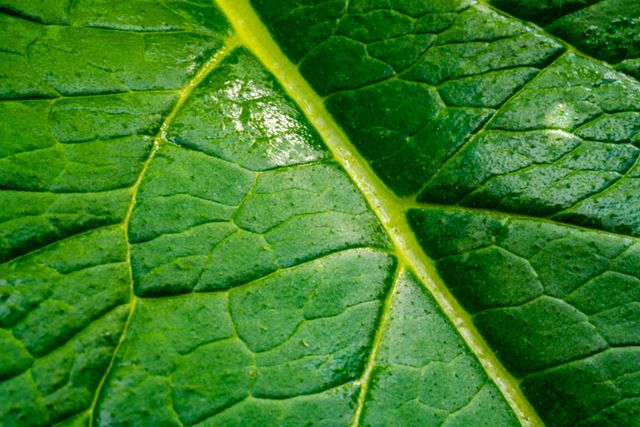
Vegetables are essential components of a balanced diet, providing dietary fibre, vitamins, minerals, antioxidants and a wide range of bioactive compounds. However, their nutritional value is influenced by more than their chemical composition. The physical structure of a vegetable also plays a significant role in determining how its nutrients become accessible during digestion. One of the most important structural components responsible for these effects is the plant cell wall. It forms a protective framework around plant cells, influences their texture and controls how water, digestive enzymes and other substances interact with the nutrients stored inside them.
Despite the importance of vegetables in human nutrition, their digestive properties can vary considerably. Two vegetables containing similar amounts of fibre, carbohydrates and other nutrients may behave differently during digestion because of differences in cell wall composition, thickness, organisation and resistance to breakdown. Even the same vegetable can produce different digestive responses depending on its variety, maturity, growing conditions, storage and cooking method.
Plant Cell Wall Engineering explores how these structural characteristics could be modified to produce vegetables with more predictable nutritional and digestive properties. Artificial intelligence may become an important part of this process by analysing plant cell structures, identifying relationships between genetic characteristics and digestive behaviour, and helping researchers predict how particular modifications could influence food texture, nutrient release and fibre breakdown. By combining plant science, food engineering and computational modelling, researchers could move towards a more precise understanding of how vegetable structures influence digestion.
Understanding the Plant Cell Wall and Its Role in Digestion
The plant cell wall is a complex structure surrounding individual plant cells. Unlike animal cells, which do not have rigid external cell walls, plant cells possess this protective framework to maintain their shape, provide mechanical strength and regulate interactions with their environment. In vegetables, the cell wall is also an important determinant of texture, moisture retention and digestibility.
The primary components of plant cell walls include cellulose, hemicellulose and pectin. These substances form interconnected networks with different structural and chemical properties. Cellulose consists of long chains of glucose molecules organised into strong microfibrils. Hemicellulose interacts with cellulose and contributes to the overall stability of the wall, while pectin forms a complex network that helps bind neighbouring cells together and influences tissue softness.
The proportions and arrangements of these components vary across vegetable species and even between different tissues of the same plant. Leafy vegetables, roots, stems and fruits do not share identical cell wall structures. For example, the cell walls of leafy greens must support thin and flexible tissues, whereas root vegetables require structural strength to withstand physical pressure during growth.
These differences influence what happens when vegetables enter the digestive system. Human digestive enzymes cannot efficiently break down all the structural carbohydrates present in plant cell walls. Cellulose, for example, is not digested by human enzymes in the same way as starch. Some components can be partially transformed by microorganisms in the large intestine, while others contribute to faecal bulk or pass through the digestive tract with limited fermentation.
The cell wall can also restrict the release of nutrients contained inside plant cells. When the structure remains intact, some nutrients may be less accessible to digestive enzymes. When cooking, chopping, grinding or chewing disrupts the wall, the internal contents become more exposed. Therefore, digestive behaviour depends not only on the quantity of nutrients in a vegetable but also on how those nutrients are physically enclosed.
Why Vegetable Digestibility Is Difficult to Predict
Vegetable digestibility is influenced by multiple interacting characteristics. Fibre content is an important factor, but it does not provide a complete explanation of how a vegetable behaves during digestion. Two vegetables with similar total dietary fibre measurements may differ in their proportions of soluble and insoluble fibre, the strength of their cell walls and the accessibility of their internal nutrients.
For example, the softness of cooked vegetables often reflects changes in pectin structures that help hold plant cells together. During heating, some pectin compounds become more soluble or undergo structural changes, weakening the connections between neighbouring cells. As a result, vegetables become softer and easier to break apart. However, the extent of this transformation depends on temperature, cooking duration, acidity, mineral content and the original composition of the vegetable.
Maturity also affects cell wall organisation. As vegetables develop, their tissues may become firmer or more fibrous because of changes in cellulose, hemicellulose and other structural compounds. A young vegetable and a mature version of the same vegetable may therefore have different textures and digestion-related characteristics.
Storage introduces additional variability. Temperature, humidity and storage duration can influence water content, cell wall enzymes and tissue firmness. Some vegetables soften during storage, while others lose moisture and become tougher. These changes can affect how the vegetable responds to cooking and how easily its tissues break apart during chewing and digestion.
Traditional laboratory testing can measure individual components, but predicting the combined effect of these factors remains challenging. This is where artificial intelligence could contribute by analysing multiple sources of information simultaneously and identifying patterns that are difficult to detect through conventional analysis.
What Is Plant Cell Wall Engineering?
Plant Cell Wall Engineering refers to the scientific modification of cell wall characteristics to influence the physical, nutritional and functional properties of plant tissues. It involves understanding how the components of the cell wall are produced, organised and modified during plant development, and how these processes affect the final characteristics of vegetables.
The objective is not necessarily to make every vegetable softer or easier to digest. Different dietary and food-processing applications require different structural properties. A vegetable intended for fresh consumption may need to retain firmness, while a vegetable developed for soups or purees may benefit from controlled softening during cooking. Similarly, some applications may prioritise the accessibility of specific nutrients, while others may focus on maintaining fibre structure and producing desirable textures.
Researchers can investigate cell wall engineering through plant breeding, genetic research, biotechnology and controlled agricultural practices. By studying genes associated with cellulose synthesis, pectin modification and hemicellulose production, scientists can explore how particular biological mechanisms influence tissue structure.
However, modifying one component may affect several other characteristics. Reducing cell wall strength could improve softness but might also affect shelf life, resistance to physical damage and disease susceptibility. Increasing certain structural components could improve firmness while making the vegetable more difficult to process. Therefore, successful engineering requires a balance between multiple properties rather than optimising a single characteristic.
AI could help researchers understand these relationships before conducting extensive experimental trials.
How AI Could Analyse Plant Cell Wall Structures
Artificial intelligence can process large datasets containing information about plant genetics, tissue composition, microscopy images, physical properties and laboratory digestion experiments. By connecting these different data sources, machine learning models could identify relationships between cell wall architecture and digestive behaviour.
One potential application is computer vision-based cell wall analysis. Microscopy images can reveal the arrangement of plant cells, the thickness of their walls and the organisation of tissue structures. Image analysis models could be trained to recognise differences in cell size, wall boundaries, tissue density and structural damage. This information could then be compared with measurements of texture, moisture retention and nutrient release.
Machine learning could also analyse the chemical composition of cell walls. Laboratory techniques can provide measurements of cellulose, hemicellulose, pectin and other components. When combined with information about vegetable variety and growing conditions, these measurements could help identify patterns associated with particular structural characteristics.
A predictive model could potentially estimate how a vegetable’s tissue will respond to heating, mechanical processing or simulated digestion. For instance, it might identify combinations of pectin composition, cell wall thickness and tissue maturity that are associated with faster softening during cooking.
Such predictions would not replace laboratory testing. Instead, they could help researchers identify promising varieties and processing conditions for further investigation. The value of AI would come from its ability to integrate several interacting variables into a single analytical framework.
Predicting How Cell Wall Composition Influences Digestion
One of the most promising applications of AI in plant cell wall engineering is the prediction of how structural components influence the release and accessibility of nutrients.
Cellulose, hemicellulose and pectin do not behave identically during digestion. Their physical structures and chemical properties influence how they interact with water, enzymes and microorganisms. AI models could examine these components individually and in combination to predict their possible effects on digestive processes.
For example, cellulose-rich structures may contribute to the physical integrity of plant tissues and limit the release of certain intracellular nutrients when the cells remain intact. Pectin characteristics may influence tissue softening and the separation of neighbouring cells during cooking. Hemicellulose composition can also affect cell wall flexibility and the accessibility of other structural components.
A predictive system could combine these characteristics with information about particle size, cooking temperature and simulated gastrointestinal conditions. It might then estimate how much the tissue structure changes during processing and how this could influence nutrient accessibility.
However, nutrient accessibility should not be confused with nutrient absorption. A nutrient becoming more exposed during digestion does not automatically mean that the body absorbs more of it. Absorption depends on additional factors, including nutrient chemistry, digestive conditions, interactions with other dietary compounds and individual physiology. Reliable models would therefore need clearly defined experimental outcomes rather than treating digestibility as a single universal measurement.
The Role of AI in Designing Vegetables With Controlled Texture
Texture is one of the most visible outcomes of plant cell wall structure. The firmness of carrots, the crispness of cabbage and the softness of cooked spinach are influenced by differences in tissue organisation and cell wall composition.
AI could help plant scientists identify the biological characteristics responsible for these differences. By comparing genetic information, microscopy images and mechanical measurements, researchers could develop models that estimate the texture of vegetables under different conditions.
For example, a model might investigate why two carrot varieties with similar moisture content respond differently to cooking. It could examine differences in pectin structure, cell wall composition and tissue organisation to identify the factors associated with firmness retention.
This could support the development of vegetables with more predictable cooking characteristics. Food manufacturers could potentially use such information to select varieties that maintain their shape during processing or soften within a controlled temperature range.
For consumers, predictable texture could improve the consistency of vegetable-based meals. For food processors, it could reduce variations in cooking time, product quality and processing efficiency.
Nevertheless, texture prediction would require extensive validation because the relationship between cell wall composition and texture is affected by several variables. A model trained on one vegetable variety or cooking method may not accurately predict the behaviour of another.
AI-Guided Modification of Pectin and Cellulose
Pectin and cellulose are particularly important targets in plant cell wall research because they influence tissue strength, firmness and structural stability.
Pectin plays a major role in the middle lamella, the region that helps hold neighbouring plant cells together. Changes in pectin composition and modification can influence how easily cells separate during cooking and processing. Enzymes such as pectin methylesterases participate in pectin modification, affecting its interactions with other cell wall components.
AI could help researchers analyse how different patterns of pectin modification relate to vegetable softening. By combining gene expression data, enzyme activity measurements and texture analysis, machine learning models could identify biological pathways associated with particular tissue characteristics.
Cellulose presents a different engineering challenge. Its strong microfibril structure provides mechanical support and contributes to the resistance of plant tissues. Altering cellulose synthesis could change firmness, flexibility and structural integrity. However, substantial changes may also affect plant growth and resilience.
Predictive models could help researchers identify modifications that produce desirable food characteristics without creating unacceptable agricultural trade-offs. Such systems would need to account for the fact that plant cell wall components interact with one another. Changing cellulose production, for instance, may influence the organisation of other wall components rather than producing an isolated effect.
Applications in Different Vegetable Categories
Plant cell wall engineering could have different applications depending on the type of vegetable and its intended use. In leafy vegetables such as spinach, cabbage and kale, researchers could investigate how cell wall composition influences tenderness, moisture retention and the response to cooking. AI could help distinguish between varieties that retain desirable texture and those that soften more rapidly.
In root vegetables such as carrots, beetroot and radishes, the focus could be on controlling firmness and structural breakdown. These characteristics are important for fresh consumption, cooking, freezing and industrial processing. Models trained on cell wall composition and mechanical measurements could help predict how different varieties respond to heat and storage.
In vegetables such as broccoli and cauliflower, tissue structure influences both texture and nutrient accessibility. Researchers could investigate whether differences in cell wall architecture affect the release of compounds during chewing and digestion. AI could connect microscopy observations with food composition and simulated digestion measurements to identify promising structural characteristics.
Legume-based vegetables and edible pods also offer research opportunities. Their cell walls can contain substantial amounts of structural carbohydrates, and maturity can strongly influence tenderness. Predictive systems could help estimate when pods are likely to reach a desirable harvest stage based on growth, structural and compositional information.
These applications illustrate that plant cell wall engineering would not produce one universal vegetable design. Instead, it could support the development of varieties with characteristics suited to different culinary, nutritional and processing requirements.
Connecting Agricultural Conditions With Digestive Properties
The properties of a vegetable begin developing long before it reaches the kitchen. Soil conditions, water availability, temperature, sunlight, nutrient supply and agricultural management can influence plant growth and tissue development.
These environmental factors may affect cell wall formation and the chemical composition of plant tissues. Consequently, vegetables of the same variety may show differences when grown under different conditions.
AI could combine agricultural data with laboratory measurements to investigate these relationships. Information about soil properties, irrigation, climate and crop maturity could be connected with measurements of cellulose, hemicellulose, pectin and tissue firmness.
Such a system could help researchers understand how agricultural conditions influence the final structural properties of vegetables. It might also identify growing conditions associated with more consistent texture and processing performance.
This approach could contribute to precision agriculture by connecting crop management with food quality. However, it would require reliable data collected across different seasons, locations and cultivation systems. Without sufficient geographical and environmental diversity, models could produce predictions that work only under the conditions represented in their training datasets.
Developing a Digital Twin of Vegetable Cell Wall Behaviour
A more advanced possibility is the development of a digital twin representing the structural behaviour of a vegetable tissue. A digital twin is a computational model designed to represent important characteristics and responses of a real-world system.
In plant cell wall research, such a model could combine microscopic structure, chemical composition, genetic information and mechanical properties. Researchers could use it to simulate how a vegetable might respond to changes in temperature, moisture, pressure or processing conditions.
For example, a digital model of a carrot tissue could be used to explore how different pectin characteristics influence softening during heating. Another model could investigate how changes in cell wall structure affect tissue breakdown under simulated digestive conditions.
AI could improve these simulations by learning from experimental observations and identifying patterns that conventional mathematical models may not capture easily. Over time, validated digital twins could help researchers compare alternative cell wall designs before investing in expensive breeding or laboratory experiments.
However, plant tissues are complex biological systems. A useful digital twin would need to represent the interactions between cells, cell walls, water and chemical compounds. It would also need to account for natural variation between individual vegetables. Therefore, this remains an emerging research direction rather than an established tool for designing commercially available vegetables with guaranteed digestive properties.
Potential Benefits for Food Processing and Nutrition
More predictable plant cell wall properties could benefit several areas of food production. In food processing, variations in vegetable firmness can create challenges for cutting, cooking, freezing, drying and packaging. Vegetables with more consistent structural characteristics could improve production efficiency and reduce differences between batches.
In product development, manufacturers could select varieties according to the intended application. A vegetable designed to retain firmness might be suitable for frozen mixed vegetables, while a variety with controlled softening characteristics could be useful in soups, purees and ready-to-eat meals.
There may also be opportunities in nutritional research. Better understanding of cell wall structure could help explain why nutrient release differs between vegetables and how preparation methods influence nutrient accessibility. This could support the development of more evidence-based food processing recommendations.
For consumers, the potential benefit would be greater consistency in the texture and preparation behaviour of vegetables. However, it would be misleading to suggest that AI-designed cell walls could guarantee easier digestion or improved nutrient absorption for every individual. Human digestive responses vary, and food structure is only one part of a much larger biological process.
Scientific and Ethical Challenges
Despite its potential, AI-guided plant cell wall engineering faces significant scientific challenges. One of the biggest is the difficulty of collecting consistent and comprehensive data. Cell wall composition can be measured through several laboratory methods, but results may differ depending on sample preparation, analytical techniques and the plant tissue being examined.
Another challenge is the relationship between laboratory measurements and actual human digestion. Simulated gastrointestinal systems can provide valuable information about food breakdown, but they cannot fully reproduce the complexity of the human digestive tract. Microbiome composition, digestive enzyme activity and individual dietary patterns can influence how fibre is processed.
There are also important agricultural considerations. Modifying cell wall characteristics may affect plant growth, resistance to pests, tolerance to environmental stress and post-harvest storage. A vegetable with desirable softness might be more vulnerable to physical damage during transportation. Similarly, modifications that improve processing characteristics could unintentionally affect other plant functions.
Genetic engineering and advanced breeding approaches also raise questions about regulation, environmental impact, consumer acceptance and equitable access to agricultural technologies. Any new variety would need to be assessed for food safety, nutritional composition, environmental performance and practical value.
AI introduces an additional concern: prediction errors. Models may identify statistical relationships without establishing biological causation. Researchers must therefore validate predictions through controlled experiments and avoid treating computational results as proof of improved digestive outcomes.
The Future of AI-Designed Vegetable Structures
The future of plant cell wall engineering could involve closer integration between artificial intelligence, plant genomics, microscopy, food chemistry and human nutrition research. Instead of examining individual structural components separately, researchers may develop systems that connect genetic characteristics with cell wall architecture, processing behaviour and digestive outcomes.
Multimodal AI could be particularly valuable in this area. A single model might analyse gene expression data, high-resolution microscopy images, chemical measurements and cooking experiments to develop a more complete understanding of vegetable structure. This could help identify combinations of biological characteristics associated with particular food properties.
Researchers could also explore personalised food applications. In the future, information about food composition and preparation may help nutrition professionals make more informed recommendations for people with different dietary requirements. However, this would require strong clinical evidence and careful consideration of individual digestive differences. AI should not be used to make unsupported medical claims or replace professional nutritional advice.
Another important direction is sustainable vegetable production. Plant cell wall research could support the development of varieties that maintain quality during storage and transportation, potentially reducing food waste. Better knowledge of structural properties could also help manufacturers use different vegetable tissues more efficiently in food products.
Ultimately, the most useful systems will not simply aim to produce vegetables that break down as quickly as possible. They will seek to balance texture, nutritional quality, agricultural resilience, storage stability and processing requirements.
Conclusion
Plant Cell Wall Engineering offers an important opportunity to understand how the physical structure of vegetables influences their texture, nutrient accessibility and behaviour during digestion. Cellulose, hemicellulose and pectin form complex networks that determine how plant tissues respond to cooking, mechanical processing and digestive conditions. Differences in these structures help explain why vegetables with similar nutritional compositions can behave differently when consumed.
Artificial intelligence could accelerate research by connecting plant genetics, microscopy, chemical composition, agricultural conditions and experimental digestion data. Predictive models may help researchers identify cell wall characteristics associated with specific textures and processing outcomes, while digital twins could provide a way to simulate structural changes before conducting physical experiments.
However, designing vegetables with predictable digestive properties will require more than computational predictions. It will depend on reliable laboratory evidence, biological validation, agricultural assessment and, where appropriate, human studies. AI cannot independently guarantee better digestion or greater nutrient absorption simply by identifying a particular cell wall structure.
The long-term potential lies in developing a more precise relationship between plant structure and food functionality. By combining plant science with AI-driven analysis, researchers could move towards vegetables whose texture, processing performance and nutritional characteristics are better understood and more consistent. This could create new possibilities for food innovation while preserving the agricultural and nutritional importance of vegetables.