 Anshika Jain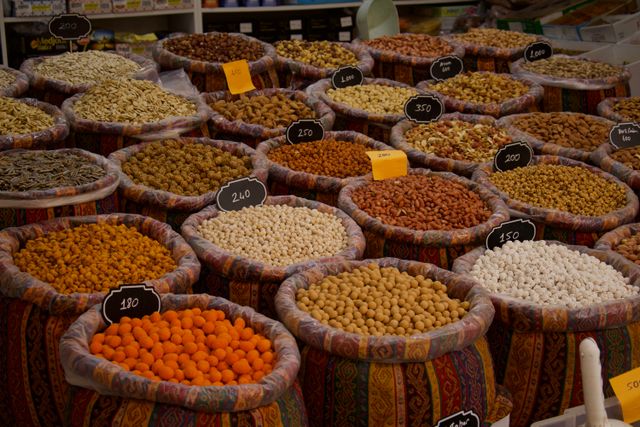
Snacking has become an important part of modern eating habits. Busy schedules, long commutes, work-from-home routines, study sessions and increasing screen time have made snacks a regular part of the day for millions of people. For years, packaged chips, biscuits, instant noodles, sugary beverages and other convenient products have occupied a major place in the snack market because they are inexpensive, easy to store and readily available. However, changing attitudes toward nutrition are encouraging consumers to reconsider what they eat between meals.
The growing interest in healthier snacks is not simply about removing one food from the kitchen and replacing it with another. It reflects a broader change in how people think about convenience, nutrition, energy and everyday wellness. Consumers are increasingly looking for snacks that can provide protein, fibre, whole grains, fruits, vegetables and other nutrients while still being convenient enough for modern lifestyles.
This shift is sometimes described as the healthy snacking revolution. It does not mean that packaged food is disappearing. Instead, the snack category itself is expanding, with traditional foods, minimally processed ingredients, homemade recipes and newer health-focused products becoming part of everyday eating routines.
Why Snacking Habits Are Changing
One of the biggest reasons behind changing snack preferences is greater awareness of nutrition. People have easier access to information about ingredients, calories, protein, fibre, added sugar and food processing than previous generations. Nutrition information is available through websites, mobile applications, social media and digital health platforms.
This greater access to information has encouraged many consumers to examine what they regularly eat rather than considering snacks simply as something to satisfy hunger. A packet of chips or a sugary biscuit may still be convenient, but consumers may increasingly compare it with alternatives that offer greater nutritional value.
Lifestyle changes are also contributing to the shift. Students, professionals and families often need food that can be prepared quickly and consumed between work, classes, travel and other activities. Healthy snacks therefore need to combine nutrition with convenience. A food that is nutritious but difficult to prepare may not become a practical everyday replacement for packaged snacks.
The Return of Traditional Snacks
One of the most interesting developments in healthy snacking is the renewed interest in traditional foods. Many regional cuisines already contain snack options based on grains, pulses, nuts, seeds, fruits and vegetables.
In India, traditional foods such as roasted chana, makhana, poha, sprouts, dhokla and various homemade preparations are increasingly being considered as alternatives to highly processed snacks. These foods can be adapted according to individual dietary preferences and preparation methods.
The renewed interest in traditional foods also reflects a broader movement toward understanding local ingredients. Millets, lentils, peanuts, sesame, coconut and seasonal fruits are finding their way into contemporary snack routines.
This does not mean that every traditional food is automatically healthy. Preparation methods, portion sizes and added ingredients still matter. However, traditional food cultures can provide a useful source of inspiration for creating balanced snacks.
Nuts and Seeds Become Everyday Snacks
Nuts and seeds have become popular among consumers looking for nutrient-dense snack options. Almonds, walnuts, pistachios, peanuts, pumpkin seeds, sunflower seeds, chia seeds and flaxseeds can be incorporated into different snack routines.
These foods provide varying combinations of protein, healthy fats, fibre, vitamins and minerals. They are also relatively easy to carry, making them practical for office workers, students and travellers.
The popularity of nuts and seeds has also contributed to the growth of products such as nut mixes, roasted seeds and seed-based snack bars. Consumers increasingly have options beyond traditional fried snacks.
However, portion size remains relevant because nuts and seeds can be energy-dense. A healthy snack still needs to fit within an individual’s overall dietary needs rather than being consumed without considering quantity.
Fresh Fruits as a Simple Alternative
Fresh fruit remains one of the most accessible alternatives to processed snacks. Apples, bananas, oranges, guavas, papayas, berries, watermelon and seasonal fruits can provide natural sweetness while contributing fibre and micronutrients.
Fruit can also address the desire for sweet snacks without relying entirely on confectionery or sugar-heavy products. The convenience factor is particularly important because many fruits require little preparation.
The growing popularity of fruit-based snacks has also encouraged creative combinations. Fruit can be paired with yoghurt, nuts or seeds to create a more filling snack. Homemade fruit bowls and smoothies have also become common in many households.
The important distinction is that whole fruit generally provides more fibre and structure than many fruit-flavoured processed products. Consumers therefore increasingly distinguish between foods made primarily from whole ingredients and products that simply use fruit-related flavours or marketing.
Greek Yogurt, Curd and Other Protein-Rich Choices
Protein has become an increasingly visible part of conversations about healthy eating. This has influenced snacking as well, with consumers looking for foods that may help them feel satisfied between meals.
Yogurt, curd and Greek yogurt can be used as convenient snack options. They can be combined with fruit, nuts or seeds to create different flavour and texture combinations.
For vegetarian consumers, dairy-based snacks can provide one convenient source of protein. Those who avoid dairy can explore alternatives based on soy or other plant ingredients, depending on their nutritional requirements.
The increasing popularity of protein-focused snacks also demonstrates how consumers are becoming more interested in the nutritional composition of food rather than focusing only on taste and calories.
Roasted Foods Instead of Fried Snacks
Roasting has become a popular preparation method for people seeking alternatives to deep-fried snacks. Roasted chickpeas, makhana, peanuts, seeds and certain vegetables can provide crunchy textures that consumers traditionally associate with chips and other fried products.
This is significant because texture is an important part of snacking. People do not choose snacks only because they are hungry. Crunchiness, saltiness, sweetness and convenience can all influence food choices.
Healthier alternatives therefore need to address the sensory experience as well as nutritional considerations. A roasted snack that provides a satisfying crunch can become more attractive as a replacement for fried foods.
At the same time, the label “roasted” does not automatically make every product nutritionally superior. Salt, added oils, flavouring ingredients and portion sizes still matter.
Homemade Snacks Are Making a Comeback
The growing interest in healthy eating has encouraged some households to return to homemade snacks. Homemade preparation provides greater control over ingredients and cooking methods.
People can adjust the amount of salt, sugar and oil in recipes and experiment with whole grains, vegetables, pulses and nuts. Homemade snacks can also be adapted for different dietary preferences.
For example, a family may prepare roasted makhana at home instead of buying a heavily flavoured packaged snack. Another household may prepare vegetable sandwiches, homemade hummus, sprouts or millet-based dishes for afternoon consumption.
However, homemade food also requires time. This is why meal preparation habits and batch cooking are becoming relevant to healthy snacking. Preparing certain foods in advance can make nutritious choices more convenient during busy days.
The Growth of High-Protein Snacks
Protein has become one of the most prominent trends in the modern snack industry. Protein bars, roasted pulses, protein-rich yogurts, nut products and other high-protein foods are increasingly visible in stores and online marketplaces.
The popularity of these products is partly connected with fitness culture. People who exercise regularly may pay greater attention to protein intake and recovery. However, the trend has expanded beyond gyms.
Students and working professionals may also choose protein-rich snacks because they can be convenient and filling. This has encouraged food companies to develop products targeted at broader audiences.
Nevertheless, consumers should distinguish between naturally protein-rich foods and highly processed products marketed primarily around protein content. Reading the nutritional label can provide more useful information than relying only on packaging claims.
Millets and Whole Grains in Modern Snacking
The growing awareness of whole grains has also influenced the snack category. Millets such as ragi, jowar, bajra and foxtail millet are being incorporated into crackers, baked snacks, bars and homemade recipes.
Millets have long been part of traditional food cultures in India and other parts of the world. Their renewed popularity demonstrates how older ingredients can become part of modern food trends.
Whole grains can provide fibre and other nutrients, depending on the specific food and preparation method. However, consumers should still examine the complete ingredient list because a product made with a whole grain may also contain significant amounts of sugar, salt or fat.
The healthy snacking movement is therefore encouraging people to look beyond individual ingredients and consider the overall composition of a food.
Vegetable-Based Snacking
Vegetables are also becoming more visible in snack routines. Carrot sticks, cucumber slices, bell peppers, tomatoes and other raw vegetables can be paired with dips such as hummus or yogurt-based preparations.
Vegetable-based snacks can be particularly useful for people who want to increase their intake of plant foods during the day. They also introduce different textures and flavours compared with conventional packaged snacks.
The growing popularity of air-fried and baked vegetable preparations has further expanded the possibilities. People can experiment with ingredients such as sweet potatoes, beetroot, cauliflower and zucchini to create different snack experiences.
As with other foods, preparation matters. A vegetable-based snack can become significantly different nutritionally depending on the amount of oil, salt or sauce added.
Popcorn Is Getting a Healthier Image
Popcorn is another snack that illustrates how preparation can influence perceptions of healthy eating. Plain air-popped popcorn can provide whole grains and fibre, while heavily buttered or sugar-coated versions can contain substantially more calories and added ingredients.
As consumers become more interested in healthier snacking, lightly seasoned popcorn has become an alternative to some traditional crunchy snacks.
The popularity of popcorn also highlights an important principle in healthy eating: the same basic food can fit into different dietary patterns depending on how it is prepared and consumed.
The Influence of Fitness Culture
Fitness culture has played a significant role in changing snack preferences. Gyms, sports communities, wellness creators and nutrition-focused digital content have increased public attention toward protein, hydration, meal timing and balanced eating.
This influence can be seen in the growing popularity of foods such as smoothies, protein-rich snacks, nuts, seeds and fruit-based combinations.
However, social media can also create unrealistic expectations. Not every snack needs to be perfectly nutritious, visually attractive or connected to a fitness goal. A sustainable approach to eating generally needs to accommodate individual preferences, cultural foods and occasional indulgences.
The healthy snacking revolution is therefore most useful when it encourages better everyday choices rather than promoting the idea that certain foods are universally “good” or “bad.”
The Rise of Convenient Health-Focused Products
Convenience remains one of the most important factors in food choices. This has created a growing market for packaged products positioned as healthier alternatives.
Consumers can now find products such as roasted snacks, whole-grain crackers, nut mixes, dried fruit, granola, protein bars and seed-based products in supermarkets and online stores.
These products can be useful for busy lifestyles, but consumers need to look beyond health-focused packaging. Terms such as “natural,” “high protein,” “multigrain” or “no added sugar” do not necessarily provide a complete picture of nutritional quality.
Checking serving size, ingredient lists and nutrition information can help consumers understand what they are actually purchasing.
Snacking Among Students and Young Professionals
Students and young professionals are an important part of the changing snack culture. Long study sessions, college schedules, office work and commuting can create frequent opportunities for snacking.
For students, healthier snacks can provide an alternative to relying entirely on sugary drinks, fried foods and packaged snacks during long academic days. Fruit, nuts, roasted pulses, yogurt and homemade foods can offer convenient options.
Digital platforms are also influencing how younger consumers discover food ideas. Short videos, recipes and fitness content frequently introduce new snack combinations. This can encourage experimentation but can also spread misleading nutritional claims.
Developing basic food and nutrition literacy can therefore help young consumers make more informed choices rather than following every online food trend.
The Role of Food Technology
Technology is also contributing to the healthy snacking movement. Food companies are experimenting with plant-based ingredients, alternative proteins, improved processing techniques and new formulations.
At the consumer level, nutrition apps and food-tracking tools can help people monitor dietary patterns. Digital platforms can also make recipes and nutrition education more accessible.
However, technology cannot replace individual judgement. Nutritional requirements vary between people, and dietary decisions can be influenced by age, activity level, health conditions, allergies and cultural preferences.
The most useful role of technology may therefore be to provide information and convenience while allowing individuals to make decisions appropriate to their circumstances.
Sustainability and the New Snack Culture
Health is not the only factor influencing the changing snack market. Environmental concerns are also affecting consumer choices.
People are increasingly interested in plant-based foods, local ingredients and reducing food waste. Seasonal fruits, pulses, grains and locally available ingredients can fit into both health-focused and sustainability-oriented eating patterns.
Packaging is another consideration. While packaged healthy snacks can be convenient, they can also generate additional waste. This has encouraged interest in reusable containers and homemade snacks among some consumers.
The future of healthy snacking may therefore involve a combination of personal nutrition, convenience and environmental awareness.
Is the Healthy Snacking Revolution Really Sustainable?
The biggest challenge is consistency. People may experiment with healthier snacks for a few weeks but return to familiar foods when schedules become busy.
For healthier snacking habits to become sustainable, nutritious choices need to be convenient, affordable and enjoyable. People are more likely to continue a habit when it fits naturally into their lifestyle rather than requiring excessive preparation or restriction.
This is why the future of snacking is unlikely to be based on completely eliminating traditional packaged foods. Instead, consumers may develop more varied snack routines in which whole foods, homemade options and thoughtfully selected packaged products coexist.
What the Future of Snacking Could Look Like
The future snack market is likely to become increasingly diverse. Traditional foods may appear alongside modern health-focused products, while consumers may have more choices based on protein, fibre, plant ingredients and whole grains.
Personalisation could also become more important. Digital tools may help people identify snack options according to their dietary preferences, activity levels, schedules and nutritional goals.
At the same time, consumers are likely to become more interested in transparency. Clear ingredient information and credible nutritional claims can become important factors when choosing between competing products.
The healthy snack of the future may therefore not be defined by a single ingredient or trend. Instead, it may be defined by a balance between nutrition, taste, affordability, convenience and sustainability.
Conclusion
The healthy snacking revolution reflects a broader change in the way people approach everyday food. Consumers are exploring alternatives to traditional packaged snacks, including fruits, nuts, seeds, roasted pulses, yogurt, vegetables, whole grains, millets and homemade preparations.
This transformation is being influenced by nutrition awareness, fitness culture, changing lifestyles, digital content and growing interest in sustainable food choices. At the same time, convenience remains essential, which explains why healthier packaged products are also becoming more common.
The most important development may be that snacking is increasingly being treated as part of an overall eating pattern rather than an isolated indulgence. People are beginning to ask what a snack contributes to their day, how it fits their lifestyle and whether it provides lasting satisfaction.
The future of snacking will likely combine traditional food knowledge with modern convenience and technology. Rather than completely abandoning packaged foods, consumers may increasingly build balanced snack routines that include more whole and minimally processed ingredients. In this evolving food culture, the goal is not perfection but practical choices that can support everyday nutrition while still leaving room for taste, variety and enjoyment.