 Anshika Jain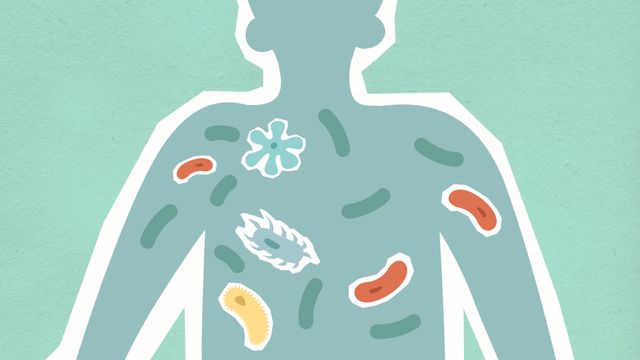
In recent years, gut health has become one of the most discussed topics in wellness, nutrition, fitness, and preventive healthcare. From probiotic drinks and fermented foods to fibre-rich diets and microbiome testing, people are paying increasing attention to the relationship between their digestive system and overall well-being. The gut microbiome, which consists of trillions of microorganisms living inside the digestive tract, has become a major focus of scientific research and public conversation.
Earlier, digestive health was often discussed mainly in relation to problems such as acidity, constipation, bloating, or indigestion. Today, the conversation has expanded to include immunity, metabolism, mood, energy, sleep, and long-term health. Social media platforms, wellness influencers, nutrition experts, and healthcare professionals have contributed to the popularity of the gut health movement. However, this growing interest also raises important questions about what is scientifically established, what remains under research, and how individuals can support their gut health through practical lifestyle choices.
Understanding the gut microbiome requires moving beyond short-term wellness trends. A healthy digestive system is not created by one expensive supplement, a single drink, or a restrictive diet. Instead, it is influenced by consistent eating habits, physical activity, sleep, stress management, and individual health needs.
Understanding the Gut Microbiome
The gut microbiome refers to the community of microorganisms that live in the digestive tract, particularly in the large intestine. These microorganisms include bacteria, viruses, fungi, and other microscopic organisms. Although the word “bacteria” often creates negative associations, many bacteria in the gut perform useful functions and contribute to normal bodily processes.
The gut microbiome helps break down certain components of food that the human body cannot fully digest on its own. Some gut bacteria ferment dietary fibre and produce short-chain fatty acids, which support the health of the intestinal environment. The microbiome also interacts with the immune system and contributes to the maintenance of the intestinal barrier.
Every individual has a unique gut microbiome. Its composition can be influenced by genetics, age, geography, diet, medication use, lifestyle, infections, and other environmental factors. This means that a food or supplement that works well for one person may not produce the same result for another.
A healthy microbiome is not necessarily defined by the presence of one specific “good” bacteria. Researchers are increasingly interested in microbial diversity, the functions microorganisms perform, and the balance between the microbiome and its host. The concept of gut health is therefore complex and cannot be measured accurately through a single symptom or universal checklist.
Why Gut Health Has Become a Major Wellness Trend
The growing popularity of gut health is connected to several changes in the way people understand wellness. Consumers are becoming more interested in preventive health and are looking for ways to support their bodies through everyday habits. Instead of focusing only on treating illness, many people are paying attention to nutrition, digestion, sleep, and lifestyle as interconnected aspects of health.
Social media has also played an important role in increasing awareness. Videos about fermented foods, fibre-rich meals, digestive-friendly recipes, and probiotic products are frequently shared across digital platforms. Influencers often present gut health as the foundation of physical and mental well-being, making the subject attractive to people who want simple solutions for complex health concerns.
The wellness industry has responded with a wide range of products, including probiotic supplements, prebiotic powders, digestive teas, kombucha, yoghurt-based drinks, and microbiome-focused testing services. Some of these products may be useful in specific situations, but their benefits depend on the ingredients, the person’s health condition, and the quality of the available evidence.
The trend has created a valuable opportunity for public education, but it has also encouraged exaggerated claims. People should be cautious when a product promises to “reset” the gut, remove all toxins, cure multiple conditions, or deliver immediate improvements in health.
The Connection Between the Gut and Digestion
One of the most direct roles of the gut microbiome is its relationship with digestion. The digestive system breaks down food into nutrients that the body can absorb and use. Gut microorganisms support this process by helping ferment certain types of dietary fibre and other compounds that pass through the small intestine without being completely digested.
When people consume fibre-rich foods such as vegetables, fruits, legumes, whole grains, nuts, and seeds, they provide material that certain gut microorganisms can use. The fermentation of fibre produces compounds, including short-chain fatty acids, that are involved in maintaining the intestinal environment.
A diet that lacks fibre and relies heavily on highly processed foods may provide fewer resources for beneficial microbial activity. However, dietary needs differ between individuals, and sudden increases in fibre can sometimes cause gas or bloating. Gradually changing eating habits and drinking enough water may help the digestive system adjust.
Digestive discomfort should not automatically be blamed on an unhealthy microbiome. Bloating, abdominal pain, irregular bowel movements, and other symptoms can have several causes, including food intolerances, gastrointestinal conditions, medication effects, and changes in routine. Persistent or severe symptoms should be discussed with a qualified healthcare professional.
Gut Health and the Immune System
The gut and immune system are closely connected. A significant part of the body’s immune activity is associated with tissues surrounding the digestive tract. The gut lining acts as a protective barrier, helping separate the contents of the digestive system from the internal environment of the body.
The gut microbiome interacts with immune cells and may influence how the body responds to different substances and microorganisms. A diverse and functioning microbiome is believed to support healthy immune regulation, although the exact relationship is still being studied.
This connection has increased interest in gut health during discussions about immunity. People often assume that consuming probiotics or fermented foods will automatically strengthen their immune system. In reality, immune health depends on multiple factors, including nutrition, sleep, physical activity, vaccinations, existing medical conditions, and exposure to infections.
Gut-friendly eating should therefore be considered one part of a broader health-supporting lifestyle rather than a replacement for medical care or evidence-based preventive measures.
The Relationship Between the Gut and Mental Well-Being
The connection between the digestive system and the brain is commonly known as the gut-brain axis. It involves communication through several pathways, including the nervous system, immune signalling, hormones, and microbial activity.
People sometimes describe the gut as a “second brain,” but this phrase should not be interpreted literally. The digestive system contains an extensive network of nerves, and communication takes place between the gut and the central nervous system. This relationship may influence digestion, appetite, stress responses, and aspects of emotional well-being.
Research into the gut-brain axis has generated interest in whether changes in the microbiome may be associated with mood and neurological health. However, many questions remain unanswered, and research findings should not be interpreted as proof that probiotics or specific foods can treat anxiety, depression, or other mental health conditions.
Stress can also influence digestion. During periods of prolonged stress, some people experience changes in appetite, bowel habits, acidity, or abdominal discomfort. Supporting mental well-being through regular sleep, movement, relaxation practices, social connection, and professional support when needed may benefit both emotional and digestive health.
Probiotics: What People Should Know
Probiotics are live microorganisms that may provide health benefits when consumed in adequate amounts and under appropriate conditions. They are found in some fermented foods and dietary supplements. However, not all probiotic products contain the same microorganisms, strains, or quantities.
The effects of probiotics can be strain-specific, meaning that research on one particular microorganism cannot automatically be applied to every probiotic supplement. Evidence may support the use of certain probiotics for particular digestive concerns, but benefits are not universal.
Fermented foods such as yoghurt containing live cultures, some traditional fermented vegetables, and other cultured foods may form part of a balanced diet. However, fermentation methods differ, and not every fermented product contains live microorganisms at the time of consumption.
People with weakened immune systems, serious medical conditions, or specific health concerns should seek medical advice before using probiotic supplements. Products marketed as natural are not automatically suitable for everyone.
Prebiotics and the Importance of Dietary Fibre
While probiotics provide live microorganisms, prebiotics are substances, often certain types of dietary fibre, that can be used by beneficial microorganisms in the gut. Prebiotics are naturally present in a variety of plant-based foods.
Onions, garlic, bananas, oats, legumes, asparagus, and other vegetables and whole foods contain fibres or compounds that may support microbial activity. The specific prebiotic content depends on the food, its maturity, preparation method, and portion size.
Increasing dietary fibre gradually is often a more practical approach than immediately purchasing a specialised supplement. A varied diet containing vegetables, fruits, whole grains, pulses, nuts, and seeds can provide different types of fibre and other nutrients.
People with specific digestive disorders may need individualised dietary guidance. Some high-fibre foods can worsen symptoms for individuals with certain conditions, so dietary changes should be adjusted according to personal tolerance and professional recommendations.
Traditional Foods and the Modern Gut Health Movement
Many foods now promoted as part of the gut health trend have long been present in traditional food cultures. Fermented foods, pulses, whole grains, seasonal vegetables, and homemade preparations are common in various regional diets.
In India, foods such as idli, dosa, kanji, curd, fermented batters, lentils, millets, and a wide range of vegetables can contribute to dietary variety. Their nutritional value depends on preparation methods, ingredients, portion sizes, and the overall eating pattern.
The modern wellness industry sometimes presents traditional foods as newly discovered solutions. However, their importance should be understood within their cultural and nutritional contexts rather than through exaggerated health promises. Traditional eating patterns often include diversity, seasonal ingredients, home cooking, and shared meals, all of which may support healthier lifestyle habits.
At the same time, traditional foods are not automatically appropriate for every person. Individual allergies, intolerances, hygiene practices, and medical conditions must be considered.
The Impact of Highly Processed Diets
The growing focus on gut health has also encouraged discussions about ultra-processed foods. These foods can vary considerably in their nutritional composition, and not all processed foods have the same effects. Processing itself is not always harmful; pasteurisation, freezing, cooking, and other methods can improve food safety and convenience.
The concern often relates to dietary patterns that contain large amounts of products high in added sugars, sodium, unhealthy fats, and refined ingredients while providing limited fibre and micronutrients. When such foods regularly replace fruits, vegetables, pulses, and whole grains, overall dietary quality may decline.
A balanced approach is more sustainable than treating every packaged food as unhealthy. People can focus on including more minimally processed foods while considering affordability, accessibility, culture, convenience, and personal preferences. Healthy eating should be realistic enough to maintain over time.
Gut Health, Fitness, and Everyday Energy
Gut health has become increasingly popular within the fitness community. Individuals who exercise regularly often pay attention to digestion, nutrient absorption, energy levels, and recovery. A balanced digestive system can support the body’s ability to process nutrients, but gut health alone does not determine athletic performance.
Fitness goals require adequate energy, protein, carbohydrates, fats, hydration, and rest. People who suddenly adopt restrictive diets in the hope of improving their microbiome may unintentionally reduce their nutrient intake or struggle to meet exercise demands.
Regular physical activity may also influence the gut microbiome and digestive function. Walking, strength training, cycling, yoga, and other forms of movement can support general health. The most suitable exercise routine depends on fitness level, age, medical history, and personal goals.
Instead of following extreme diet trends, individuals can combine balanced nutrition with consistent movement and sufficient recovery.
The Risks of Overpromising Gut Health Solutions
The popularity of the gut microbiome has created a market for products and services that promise rapid results. Some companies advertise gut “cleanses,” detox drinks, restrictive elimination plans, and expensive microbiome tests. Consumers should examine these claims carefully.
The human microbiome is highly individual and changes over time. A test that identifies certain microorganisms does not necessarily provide a complete assessment of digestive health or predict future illness. Similarly, the absence of a particular bacterial species does not automatically mean that a person is unhealthy.
Extreme cleanses and unnecessary restrictions may create nutritional deficiencies, increase anxiety around food, or worsen digestive symptoms. Individuals should be cautious of claims that describe one food, supplement, or routine as suitable for everyone.
Reliable health information should explain the limitations of research and avoid promising guaranteed results. Consulting registered dietitians, qualified doctors, or other appropriate healthcare professionals can help people make decisions based on their specific circumstances.
Practical Ways to Support Gut Health
Supporting gut health does not require following every new wellness trend. A consistent eating pattern that includes a variety of plant-based foods can provide different types of fibre and nutrients. People can gradually include vegetables, fruits, whole grains, pulses, nuts, and seeds according to their preferences and tolerance.
Adequate hydration supports normal bodily functions, while regular physical activity can contribute to digestive and general health. Sleep is also important because irregular or insufficient sleep can affect appetite, stress, and daily routines.
Eating meals mindfully may help individuals recognise hunger, fullness, and food-related discomfort. Keeping a simple record of recurring symptoms may be useful when discussing concerns with a healthcare professional, although self-diagnosis should be avoided.
Antibiotics should be used only when prescribed and as directed by a qualified medical professional. These medicines can affect gut microorganisms, but they are important treatments when medically necessary. People should not avoid prescribed antibiotics or take supplements without appropriate guidance.
The Future of Gut Microbiome Research
Scientific interest in the gut microbiome is likely to continue growing. Researchers are studying the relationship between microorganisms, diet, immune responses, metabolic health, and different diseases. Future developments may improve understanding of individual differences and lead to more personalised approaches to nutrition and healthcare.
However, the microbiome is a complex ecosystem, and translating laboratory findings into practical recommendations can take time. Researchers must evaluate the quality of evidence, account for differences between individuals, and determine whether observed associations represent direct causes.
Personalised nutrition may eventually use information about diet, lifestyle, health history, and microbial activity to offer more targeted recommendations. Such developments should be supported by reliable research, transparent testing methods, and appropriate medical oversight.
The future of gut health should focus not only on commercial products but also on public education, access to nutritious food, preventive healthcare, and realistic lifestyle guidance.
Conclusion: Moving Beyond the Trend
The gut health trend reflects a growing interest in the connection between digestion and overall well-being. The gut microbiome plays important roles in digestion, immune interaction, and communication within the body. Research into the gut-brain axis and microbial diversity has expanded public understanding of how different body systems may be connected.
At the same time, gut health should not be reduced to a marketing slogan or a quick-fix solution. Probiotics, fermented foods, fibre, and supplements may have different effects depending on the individual and the specific situation. Scientific evidence must be considered carefully, especially when products make broad health claims.
A practical approach involves eating a varied diet, staying physically active, maintaining healthy sleep habits, managing stress, and seeking professional advice when symptoms persist. The most valuable lesson from the gut health movement is that long-term well-being is usually supported by consistent, balanced habits rather than extreme changes.
As more people learn about the gut microbiome, the conversation can become more meaningful when it combines scientific curiosity with realistic expectations. Gut health is not about achieving perfection. It is about understanding the body, making informed choices, and building sustainable habits that support overall health.