 Anshika Jain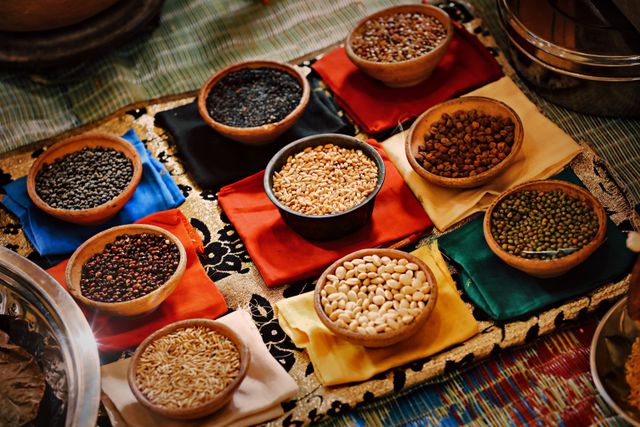
India has one of the world’s most diverse and historically rich food cultures. Across its regions, generations have developed recipes based on locally available grains, pulses, vegetables, spices, fruits, and traditional cooking methods. Many of these foods were created to provide nourishment, support seasonal health, reduce food waste, and make the most of agricultural resources. However, with the growth of fast food, packaged meals, and modern eating habits, several traditional Indian foods gradually became less common in everyday urban diets.
Today, many ancient and regional Indian foods are experiencing a renewed interest. From millets and fermented dishes to forgotten grains, herbal beverages, and traditional sweets, these foods are being rediscovered by health-conscious consumers, chefs, nutrition enthusiasts, and younger generations. Their return is not simply a nostalgic movement. It is also connected to growing awareness about balanced diets, sustainable agriculture, local ingredients, and the importance of preserving culinary heritage.
Modern restaurants, food entrepreneurs, home cooks, and digital creators are introducing traditional foods in contemporary formats. Dishes that were once associated mainly with rural kitchens or older generations are now appearing on café menus, food delivery platforms, social media pages, and modern household tables. This transformation demonstrates how ancient food traditions can adapt to changing lifestyles while retaining their cultural identity.
Understanding the Heritage of Ancient Indian Foods
Ancient Indian food traditions developed through a combination of geography, climate, agriculture, cultural practices, and local knowledge. Different regions created their own food systems based on the crops that grew naturally in their surroundings. In coastal areas, coconut, rice, and seafood influenced culinary practices, while dry regions often relied on millets, pulses, and preserved ingredients.
Traditional Indian diets were not limited to a single type of grain or cooking method. They included fermented foods, sprouted pulses, seasonal vegetables, pickles, chutneys, herbal drinks, and a wide range of grains. Many recipes were designed to use ingredients efficiently and provide variety throughout the year.
Food was also connected to festivals, religious practices, family gatherings, and seasonal changes. Certain dishes were prepared during harvest celebrations, while others were associated with specific weather conditions or cultural events. This relationship between food and community gave traditional recipes significance beyond their nutritional value.
The renewed interest in ancient Indian foods is encouraging people to explore this diversity. Instead of viewing traditional cuisine as outdated, many consumers are beginning to recognise its relevance to modern concerns such as sustainable eating, local sourcing, and dietary variety.
The Revival of Millets in Modern Diets
Millets are among the most important traditional grains experiencing a modern revival in India. Varieties such as ragi, bajra, jowar, foxtail millet, and little millet have been cultivated in different parts of the country for centuries. These grains were valued for their adaptability to local climates and their role in traditional farming systems.
In recent decades, polished rice, refined wheat products, and convenience foods became more common in many households. As a result, some millet-based dishes became less frequent in urban diets. However, rising interest in whole grains and dietary diversity has brought millets back into public attention.
Modern consumers are using millets in a variety of ways. Traditional preparations such as ragi porridge, bajra rotis, and jowar bhakri continue to be consumed, while new products include millet-based cookies, breakfast cereals, noodles, dosa mixes, and baked snacks.
Millets can contribute fibre and several essential nutrients, although their nutritional value varies by variety and preparation method. They are not a replacement for a diverse diet, but they can provide an alternative to relying heavily on a limited number of grains. Their renewed popularity also creates opportunities for farmers, food producers, and small businesses working with traditional crops.
Ragi: From Traditional Porridge to Contemporary Food Products
Ragi, also known as finger millet, has long been used in several Indian regions, particularly in Karnataka and other parts of southern and central India. It is traditionally prepared as porridge, roti, mudde, dosa, and other regional dishes.
Ragi is known for its calcium content and is also a source of dietary fibre and other nutrients. Traditionally, it was valued as an accessible grain that could be used in meals for different age groups. Ragi-based porridges have often been prepared for children and families, although individual nutritional needs vary.
Today, ragi is appearing in modern food products such as energy bars, pancakes, breakfast mixes, baked goods, and health-oriented snacks. Restaurants and cafés may also use ragi flour in contemporary interpretations of traditional dishes.
This transformation illustrates how an ingredient can move between generations and food formats. While traditional ragi preparations remain important, modern adaptations make the grain more accessible to people who may not be familiar with its original culinary uses.
Jowar and Bajra in Everyday Cooking
Jowar and bajra are other traditional grains gaining attention among consumers interested in regional and whole-grain foods. Jowar, commonly known as sorghum, is used in dishes such as bhakri, rotis, and porridges. Bajra, or pearl millet, is particularly associated with the cuisines of Rajasthan, Gujarat, Maharashtra, and other regions.
These grains have historically been important in areas where agricultural conditions may be challenging for certain crops. Their ability to grow in comparatively dry environments has made them valuable in traditional farming communities.
Modern kitchens are incorporating jowar and bajra into breads, savoury pancakes, crackers, and flour blends. Some people use them to add variety to their meals, while others are exploring them as alternatives to refined flour.
However, traditional grains should not be presented as universal solutions for every dietary concern. Their suitability depends on preparation, portion size, individual nutritional requirements, and overall eating patterns. Their modern comeback is most meaningful when it encourages diversity rather than replacing one food preference with another.
Fermented Foods and Traditional Food Knowledge
Fermentation is an important part of Indian food culture. Dishes such as idli, dosa, dhokla, kanji, and certain regional beverages depend on fermentation processes that influence flavour, texture, and digestibility. Fermented foods have been prepared for generations using household techniques and locally available ingredients.
The growing interest in fermented foods is partly connected to discussions about the relationship between diet and gut health. Fermentation can change the properties of food and may support the development of certain beneficial microorganisms, depending on the ingredients and process. However, the effects vary, and fermented food should not automatically be treated as a medical solution.
Traditional fermentation methods also demonstrate the practical knowledge of earlier communities. Families learned how to manage temperature, time, ingredients, and storage conditions without relying on modern industrial equipment.
Today, fermented Indian foods are being introduced to new audiences through restaurants, cooking workshops, packaged food products, and online recipes. Modern food businesses are also experimenting with fermentation to develop new flavours while drawing inspiration from established regional practices.
Kanji and Traditional Indian Beverages
Indian food culture includes a wide range of traditional beverages prepared from grains, fruits, herbs, spices, and fermented ingredients. Kanji, a tangy fermented drink traditionally made using ingredients such as black carrots or mustard, is one example that has gained renewed interest.
Other traditional beverages include sattu drinks, jaljeera, aam panna, chaas, ragi-based drinks, and various regional herbal preparations. These beverages were often consumed according to local climate, seasonal availability, and cultural preferences.
Modern consumers are increasingly exploring alternatives to heavily sweetened packaged drinks. This has created opportunities for traditional beverages to be presented in more contemporary formats. Cafés and food brands may offer them in attractive bottles, modern serving glasses, or combinations with new ingredients.
However, the nutritional profile of these beverages depends on the recipe. Added sugar, salt, and processing methods can significantly influence their suitability for different diets. Traditional identity and health claims should therefore be considered separately. A beverage can be culturally valuable without being appropriate for unlimited consumption.
The Growing Interest in Traditional Pulses
Pulses have played a central role in Indian diets for centuries. Lentils, chickpeas, black gram, green gram, pigeon peas, and other legumes are used in dals, curries, snacks, fermented foods, and flour-based preparations.
Traditional Indian households often used different pulses to create variety in taste and nutrition. These ingredients provided plant-based protein, fibre, and other nutrients. Their affordability also made them important in everyday meals across different communities.
Modern dietary discussions have increased awareness of pulses, particularly among people interested in vegetarian and plant-focused eating patterns. Foods such as sattu, traditional dal preparations, sprouted pulses, and roasted gram are being reintroduced through contemporary meal plans and packaged products.
Food entrepreneurs are also developing pulse-based snacks, ready-to-cook mixes, protein-rich products, and alternative flours. These innovations can make traditional ingredients convenient for busy consumers. At the same time, traditional cooking methods continue to offer valuable ways to use pulses in balanced meals.
Forgotten Vegetables and Regional Ingredients
The revival of ancient Indian foods is not limited to grains and pulses. Several traditional vegetables, leafy greens, roots, and seasonal ingredients are also receiving renewed attention. Many of these foods were once commonly used in regional kitchens but became less visible as food systems became more standardised.
Regional greens, raw bananas, colocasia, drumstick leaves, amaranth, and various gourds continue to be used in traditional recipes. Their availability differs across regions and seasons, but they can contribute flavour and dietary variety.
Modern chefs are incorporating these ingredients into salads, soups, curries, snacks, and plated dishes. This approach allows local produce to appear in new formats without completely abandoning traditional recipes.
Rediscovering regional ingredients can also encourage consumers to understand seasonal eating. Rather than depending only on a small number of widely marketed vegetables, people may explore ingredients that are cultivated locally and traditionally used in their communities.
Traditional Indian Sweets in a Modern Market
Indian sweets have long been associated with festivals, celebrations, religious ceremonies, and hospitality. Many traditional sweets are prepared using ingredients such as jaggery, sesame, coconut, gram flour, rice, milk, and nuts.
Today, consumers are showing interest in regional sweets that may have received less attention than widely known products. Examples include sesame-based preparations, millet ladoos, traditional rice sweets, jaggery-based treats, and region-specific festival delicacies.
Modern sweet shops and home bakers are experimenting with presentation, portion sizes, packaging, and ingredient combinations. Some products are marketed using terms such as natural sweeteners or traditional recipes, but these descriptions should not automatically be interpreted as proof that a product is low in sugar or suitable for every diet.
The modern revival of Indian sweets demonstrates that traditional recipes can evolve while remaining connected to cultural celebrations. The key is to preserve the culinary story while being transparent about ingredients and preparation methods.
Jaggery and the Return of Traditional Sweeteners
Jaggery has traditionally been used in Indian cooking as a sweetener in beverages, sweets, snacks, and savoury dishes. It is produced by concentrating sugarcane juice or other plant-based sources, depending on the variety and region.
In recent years, jaggery has gained popularity among consumers looking for alternatives to refined sugar. It is often included in traditional recipes such as til ladoos, chikkis, payasam, and regional sweets.
Although jaggery may retain small amounts of minerals depending on its processing, it remains a concentrated source of sugar. Replacing refined sugar with jaggery does not automatically make a food suitable for unrestricted consumption. The overall quantity and dietary context remain important.
Its renewed popularity is nevertheless significant from a cultural perspective. Jaggery connects modern food preferences with traditional preparation methods and regional agricultural practices. It also supports the continued use of ingredients that have been part of Indian cooking for generations.
Ancient Food Practices and Sustainable Eating
Many traditional Indian food practices were shaped by the need to use resources carefully. Seasonal cooking, food preservation, fermentation, drying, pickling, and the use of locally available ingredients helped households manage changing agricultural conditions.
These practices offer useful ideas for modern discussions about sustainability. Choosing seasonal produce, reducing food waste, using local grains, and preparing food at home can support more thoughtful consumption. Traditional recipes may also encourage people to use different parts of ingredients rather than discarding them unnecessarily.
However, ancient food practices should not be idealised without considering modern realities. Food safety, nutritional requirements, storage conditions, and access to ingredients have changed over time. Some traditional methods require careful handling to prevent contamination, particularly in fermented or preserved foods.
The most practical approach is to combine traditional knowledge with current food safety standards and reliable nutritional information. This allows people to preserve valuable practices while adapting them to contemporary lifestyles.
The Role of Restaurants and Food Entrepreneurs
Restaurants and food entrepreneurs play an important role in bringing traditional Indian foods to new audiences. Modern establishments may reinterpret regional dishes through presentation, portion size, cooking techniques, or ingredient combinations.
A traditional millet roti may be served with a contemporary vegetable preparation, while a regional drink may be presented as a café speciality. Such adaptations can encourage customers to explore foods they might not otherwise encounter.
Small businesses also contribute to the revival of traditional food ingredients. Home-based food producers, regional snack makers, and local farmers may create products using traditional grains, pulses, spices, and cooking methods.
For this revival to be meaningful, businesses should communicate clearly about the origins of their recipes and avoid making unsupported health claims. Respecting regional communities and acknowledging traditional knowledge can help ensure that commercial success does not disconnect food from its cultural background.
Social Media and the Rediscovery of Indian Food
Digital platforms have significantly changed how people discover and share food traditions. Recipes that were once passed mainly through families and local communities can now reach audiences across India and around the world.
Food creators often document traditional cooking methods, regional ingredients, village recipes, and family dishes. Videos showing the preparation of millet breads, fermented foods, traditional sweets, and seasonal meals can encourage viewers to try these recipes at home.
Social media also creates opportunities for younger generations to participate in food preservation. They may record recipes from older family members, experiment with traditional ingredients, and present regional dishes in new ways.
At the same time, digital content should be approached critically. A recipe’s popularity does not guarantee its authenticity, safety, or nutritional accuracy. Viewers should consider the source of information and recognise that regional food traditions often contain multiple legitimate variations.
The Influence of Health and Wellness Trends
The modern comeback of ancient Indian foods is closely connected to growing interest in wellness and balanced eating. Consumers are exploring whole grains, plant-based proteins, fermented foods, traditional beverages, and less processed ingredients.
Many traditional Indian foods naturally contain ingredients that fit into these interests. However, it is important to distinguish between a food’s nutritional characteristics and exaggerated health claims. No single ingredient can replace a varied diet, regular physical activity, or professional medical guidance when needed.
Traditional foods can contribute to healthy eating when they are prepared with suitable portions and balanced combinations. For example, a meal containing grains, pulses, vegetables, and yoghurt may provide a range of nutrients, while the amount of oil, salt, and sugar can be adjusted according to individual needs.
The most valuable outcome of the revival may be the encouragement of dietary diversity. Instead of following temporary food trends, consumers can learn about traditional ingredients and incorporate them thoughtfully into their regular meals.
Challenges in Preserving Traditional Food Culture
Although traditional Indian foods are becoming more popular, their preservation faces several challenges. Urbanisation, changing work schedules, reduced cooking time, and the availability of processed foods can make traditional preparation methods less convenient.
Some regional ingredients are also becoming difficult to find in urban markets. Younger generations may know the names of certain dishes but may not be familiar with their preparation techniques or cultural context.
Commercialisation can create another challenge. When traditional foods are modified for mass production, their ingredients and cooking methods may change significantly. While adaptation is a natural part of food culture, excessive standardisation can reduce regional diversity.
Preservation requires active participation from families, culinary educators, farmers, food businesses, and cultural organisations. Documenting recipes, supporting local producers, and teaching traditional cooking methods can help maintain culinary knowledge for future generations.
How Modern Households Can Reintroduce Traditional Foods
Modern households do not need to completely change their diets to reconnect with ancient Indian food traditions. Small and practical changes can create opportunities to explore traditional ingredients and recipes.
Families can begin by replacing one grain occasionally with millet, preparing a regional dal, experimenting with seasonal vegetables, or making a traditional beverage at home. Learning one family recipe from an older relative can also help preserve cultural knowledge.
Traditional foods can be adapted to modern schedules through meal preparation and simplified cooking methods. However, convenience should not eliminate the essential character of the dish. Understanding the original ingredients and preparation process can help households make informed adaptations.
The goal is not to treat ancient foods as superior to every modern food. Instead, traditional and contemporary ingredients can be combined to create a varied, practical, and culturally meaningful diet.
Conclusion
The comeback of ancient Indian foods reflects a growing interest in cultural heritage, nutritional diversity, sustainable eating, and regional culinary traditions. Millets, traditional pulses, fermented foods, seasonal vegetables, jaggery-based recipes, and regional beverages are being rediscovered by consumers, restaurants, food entrepreneurs, and younger generations.
This revival is not simply about bringing old recipes back to the table. It is about understanding the knowledge, agricultural practices, and cultural values connected to those foods. Modern adaptations can make traditional dishes more accessible, but preserving their history and regional identity remains equally important.
Ancient Indian foods offer valuable lessons about using local ingredients, reducing waste, preparing balanced meals, and appreciating seasonal diversity. When combined with modern food safety practices and reliable nutritional information, these traditions can remain relevant in contemporary lifestyles.
The future of Indian food culture may therefore depend on a meaningful connection between heritage and innovation. By exploring traditional ingredients and supporting regional food practices, modern consumers can enjoy familiar flavours while helping preserve the culinary knowledge that has shaped Indian society for generations.