 Anshika Jain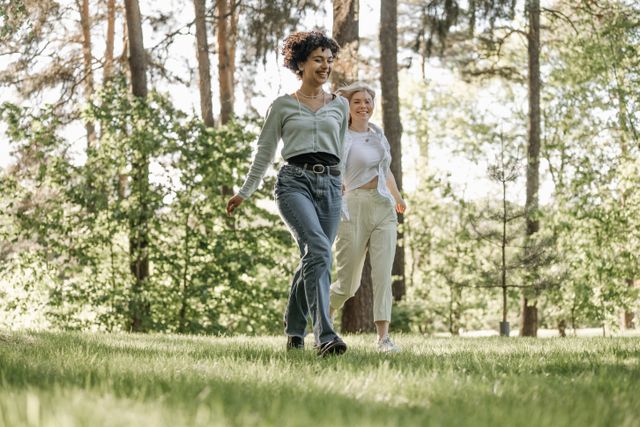
In a world where busy schedules, long working hours, screen time, and sedentary lifestyles have become part of everyday life, staying physically active can sometimes feel difficult. Many people believe that being active requires a gym membership, expensive equipment, intense workouts, or hours of free time. However, one of the most effective forms of physical activity is also one of the simplest: walking.
Walking is a natural movement that most people can easily incorporate into their daily routine. It does not require complicated training, special equipment, or a high level of fitness. Whether it is a short walk around the neighborhood, a morning stroll in the park, walking to work, or simply moving around during breaks, regular walking can contribute significantly to overall physical and mental well-being.
More importantly, walking is an activity that can be adapted to different lifestyles and fitness levels. A beginner can start with a few minutes a day and gradually increase the duration and pace. Someone who is already active can make walks more challenging by walking faster, choosing hills, or increasing the distance.
Walking Makes Physical Activity More Accessible
One of the biggest advantages of walking is accessibility. Almost anyone can start walking without needing extensive preparation. Unlike many forms of exercise that require learning specific techniques or purchasing equipment, walking is something people already know how to do.
A comfortable pair of shoes and a safe place to walk are usually enough to get started. This makes walking particularly useful for people who find traditional exercise intimidating or difficult to fit into their schedules.
The simplicity of walking also removes many of the psychological barriers associated with exercise. There is no need to feel pressured to complete a difficult workout or compare performance with others. Walking allows individuals to focus on consistent movement rather than perfection.
For someone who has been inactive for a long time, even a short daily walk can be a meaningful beginning. The goal is not necessarily to walk for hours but to create a habit of moving regularly.
Walking Supports Heart Health
Regular physical activity plays an important role in maintaining cardiovascular health, and walking can be a practical way to increase daily movement.
When you walk at a moderate or brisk pace, your heart works harder to circulate blood throughout your body. Over time, regular walking can help support cardiovascular fitness and contribute to a healthier lifestyle.
Walking can also be easier to maintain consistently than highly intense exercise. Consistency matters because physical activity is most beneficial when it becomes a regular part of life rather than something done occasionally.
A person who walks for a reasonable amount of time most days may gradually build better endurance and become more comfortable with physical activity. As fitness improves, walking speed and distance can be increased according to individual ability.
Walking Can Help Manage Body Weight
Maintaining a healthy body weight involves several factors, including nutrition, sleep, metabolism, and physical activity. Walking can contribute to the physical activity side of this equation by helping the body use energy throughout the day.
The number of calories burned while walking depends on factors such as walking speed, distance, body weight, terrain, and duration. A brisk walk generally requires more energy than a slow stroll.
However, the real advantage of walking is that it can be repeated frequently. A short walk after meals, a walk during a lunch break, or choosing to walk instead of using a vehicle for a short journey can gradually increase daily movement.
Walking should not be viewed as a quick solution for weight loss. Instead, it can become part of a sustainable lifestyle that combines regular movement with balanced nutrition and other healthy habits.
Walking Strengthens Everyday Fitness
Exercise is not only about athletic performance. Functional fitness is also important because it helps people handle everyday activities more comfortably.
Walking regularly can improve endurance and help the body become accustomed to sustained movement. Over time, activities such as climbing stairs, shopping, traveling, or walking longer distances may feel easier.
Walking also involves several muscles in the legs and lower body. When walking on different surfaces or inclines, the body has to adjust its movement and balance. This can make ordinary walks more physically engaging.
For older adults, maintaining regular movement is particularly valuable for supporting independence and mobility. However, people with health conditions, significant pain, or mobility limitations should seek appropriate professional guidance before changing their physical activity routine.
Walking Is Beneficial for Mental Well-Being
The benefits of walking are not limited to the body. Walking can also provide an opportunity to step away from work, screens, responsibilities, and constant notifications.
A walk outdoors can create a change of environment and provide time to breathe, observe surroundings, and mentally reset. For many people, this simple break can feel refreshing after spending hours sitting at a desk or concentrating on demanding tasks.
Walking can also become a useful way to manage everyday stress. Instead of remaining seated while feeling overwhelmed, taking a short walk can provide a healthy change in routine.
The experience can be even more enjoyable when walking takes place in a green space, quiet neighborhood, or park. Natural surroundings may provide a calming environment that makes physical activity feel less like a task and more like personal time.
Walking Can Support Better Sleep Habits
A healthy lifestyle involves more than exercise alone. Sleep is another important part of overall well-being, and regular daytime physical activity can support healthy sleep habits.
People who spend most of the day sitting may find it difficult to create a natural balance between periods of activity and rest. Adding movement throughout the day can help break up prolonged inactivity.
A pleasant evening walk can also become part of a relaxing daily routine. Rather than spending every evening in front of a screen, taking some time to walk can provide an opportunity to slow down and transition toward the end of the day.
Of course, sleep quality is influenced by many factors, including stress, sleep schedules, caffeine consumption, environment, and health conditions. Walking is one helpful lifestyle habit rather than a guaranteed solution for sleep problems.
Walking Helps Break Up Long Periods of Sitting
Modern lifestyles often involve extended periods of sitting. Office work, online learning, driving, television, and smartphone use can all contribute to sedentary behavior.
Even people who exercise regularly can spend many hours sitting during the rest of the day. This is why finding opportunities for movement throughout the day can be valuable.
A short walk between work sessions, walking while talking on the phone, taking the stairs when appropriate, or moving around during breaks can help introduce more activity into a sedentary routine.
The idea is simple: do not wait for one specific workout session to become active. Look for small opportunities to move throughout the entire day.
Walking Can Improve Energy and Productivity
It may seem surprising, but taking a break to walk can sometimes make it easier to return to work with greater focus.
Sitting in the same position for several hours can leave people feeling mentally tired. A brief walk provides a physical and environmental change that may help refresh attention.
For students, a short walking break between study sessions can provide a useful transition. For office workers, walking during a lunch break or taking a brief movement break can help divide the working day into more manageable periods.
Walking can also be combined with everyday responsibilities. Instead of viewing movement as something separate from productivity, people can use walking as part of their daily routine.
Walking Can Be a Social Activity
Exercise does not always have to be done alone. Walking can become an enjoyable social activity with friends, family members, colleagues, or neighbors.
A regular walking routine with another person can make the activity more enjoyable and may provide additional motivation to remain consistent. Conversations during walks can also create valuable opportunities to spend time together without the distraction of screens.
Families can take evening walks together, friends can meet for a weekend walk, or colleagues can occasionally replace a seated conversation with a walking discussion when circumstances allow.
This social aspect makes walking different from many structured workouts. It can combine movement, connection, and relaxation at the same time.
Walking Does Not Have to Be Complicated
One common mistake people make when starting a fitness routine is trying to change everything at once. They may create an ambitious schedule and then struggle to maintain it.
Walking offers a more flexible alternative.
Someone who currently does very little physical activity can begin with a manageable amount of walking and gradually build the habit. The important factor is to avoid turning the activity into an unnecessary source of pressure.
A five- or ten-minute walk may seem small, but small actions can become meaningful when repeated consistently. As the habit develops, a person may naturally begin walking longer or more frequently.
The best walking routine is one that fits realistically into everyday life.
How to Make Walking More Enjoyable
Walking becomes easier to maintain when it is enjoyable rather than treated as a chore. Exploring different routes can prevent boredom. Parks, quiet streets, walking paths, and other safe environments can provide variety.
Listening to music or podcasts may make longer walks more entertaining, while walking without headphones can provide an opportunity to observe the surroundings and disconnect from digital distractions.
Some people also enjoy setting simple walking goals. Instead of focusing only on distance or step counts, goals can include walking on a certain number of days each week or taking a short walk during a particular part of the day.
Technology can also be used positively. Smartphones and fitness trackers can help people understand their activity patterns, although numbers should be treated as helpful information rather than a measure of personal worth.
Walking Can Fit Into a Busy Schedule
A lack of time is one of the most common reasons people give for not exercising. Walking can help overcome this barrier because it can be divided into smaller periods.
For example, instead of trying to find one long period for exercise, someone might take a short walk in the morning, another during a break, and another in the evening.
Small changes can also increase daily movement. Walking to nearby destinations instead of driving, parking slightly farther away when practical, taking stairs instead of elevators when appropriate, or walking while having a phone conversation can all create additional opportunities for movement.
These changes may appear insignificant individually, but together they can make a noticeable difference in how active a person is throughout the day.
Brisk Walking Can Add More Intensity
Walking does not always have to be slow or relaxed. People who are comfortable with regular walking can increase the intensity by gradually increasing their pace.
Brisk walking makes the body work harder and can provide a stronger cardiovascular challenge than a casual stroll. Walking uphill or on varied terrain can also increase the physical demand.
However, intensity should be appropriate for the individual’s current fitness level. There is no benefit in pushing so hard that walking becomes painful or unsafe.
The objective is to create sustainable activity. A comfortable, consistent walking habit is generally more valuable than occasional extreme effort.
Walking Can Encourage a More Active Lifestyle
Perhaps the greatest benefit of walking is that it can change the way people think about physical activity.
When movement becomes a normal part of everyday life, exercise no longer feels like an isolated event. Instead, activity becomes integrated into daily routines.
Someone who starts taking regular walks may eventually become more interested in hiking, cycling, recreational sports, strength training, or other forms of exercise. Walking can therefore serve as an entry point into a broader active lifestyle.
It also encourages people to notice how much they move during the day. Once awareness increases, it becomes easier to identify opportunities to reduce unnecessary sitting and increase movement.
Safety Should Always Come First
Although walking is generally accessible, safety should not be ignored. People should choose suitable footwear and, when possible, walk in safe areas with appropriate lighting and pedestrian facilities.
When walking outdoors in hot weather, especially in regions with high temperatures, it is important to consider the time of day, hydration, sun exposure, and personal tolerance for heat. During extreme weather, an indoor walking environment may be a better option.
Anyone experiencing unusual chest pain, severe breathlessness, dizziness, fainting, or significant pain during physical activity should stop and seek appropriate medical advice.
People with existing health conditions or significant mobility concerns should discuss suitable activity levels with a qualified healthcare professional.
Making Walking a Long-Term Habit
The key to benefiting from walking is consistency. A person does not need to transform their lifestyle overnight. Instead, the habit can grow gradually.
Choosing a regular time can make walking easier to remember. Some people prefer mornings because walking starts the day with movement, while others enjoy evening walks as a way to unwind.
It can also help to connect walking with an existing routine. A person might walk after breakfast, during a lunch break, after dinner, or while listening to a favorite podcast.
The more naturally walking fits into everyday life, the less likely it is to feel like another responsibility.
Small Steps Can Create Meaningful Change
Modern fitness culture sometimes focuses heavily on intense workouts, advanced equipment, complicated programs, and impressive performance goals. These approaches can be useful for some people, but they can also make physical activity seem inaccessible.
Walking provides a reminder that health does not always require complexity.
A short walk can represent a decision to move instead of remain seated. A daily walk can become a moment of relaxation. A brisk walk can become a form of cardiovascular exercise. A family walk can become quality time. A walk outdoors can become an opportunity to clear the mind.
The value of walking comes not from making it complicated but from making it consistent.
Conclusion
Walking is one of the simplest ways to stay active because it requires very little preparation and can fit into almost any lifestyle. It can support cardiovascular fitness, everyday mobility, energy, mental well-being, and an overall more active routine.
Its greatest strength is flexibility. Walking can be slow or brisk, short or long, indoors or outdoors, alone or with others. It can be a dedicated workout or simply a natural part of getting through the day.
For people who feel that exercise is too difficult, expensive, time-consuming, or intimidating, walking offers a practical place to begin. There is no need to wait for the perfect fitness plan or the perfect schedule. Start with a manageable walk, build the habit gradually, and allow movement to become a natural part of everyday life.
Sometimes, improving your health does not begin with a complicated workout. It begins with something as simple as putting on your shoes and taking the first step.