 Nikhil Solanki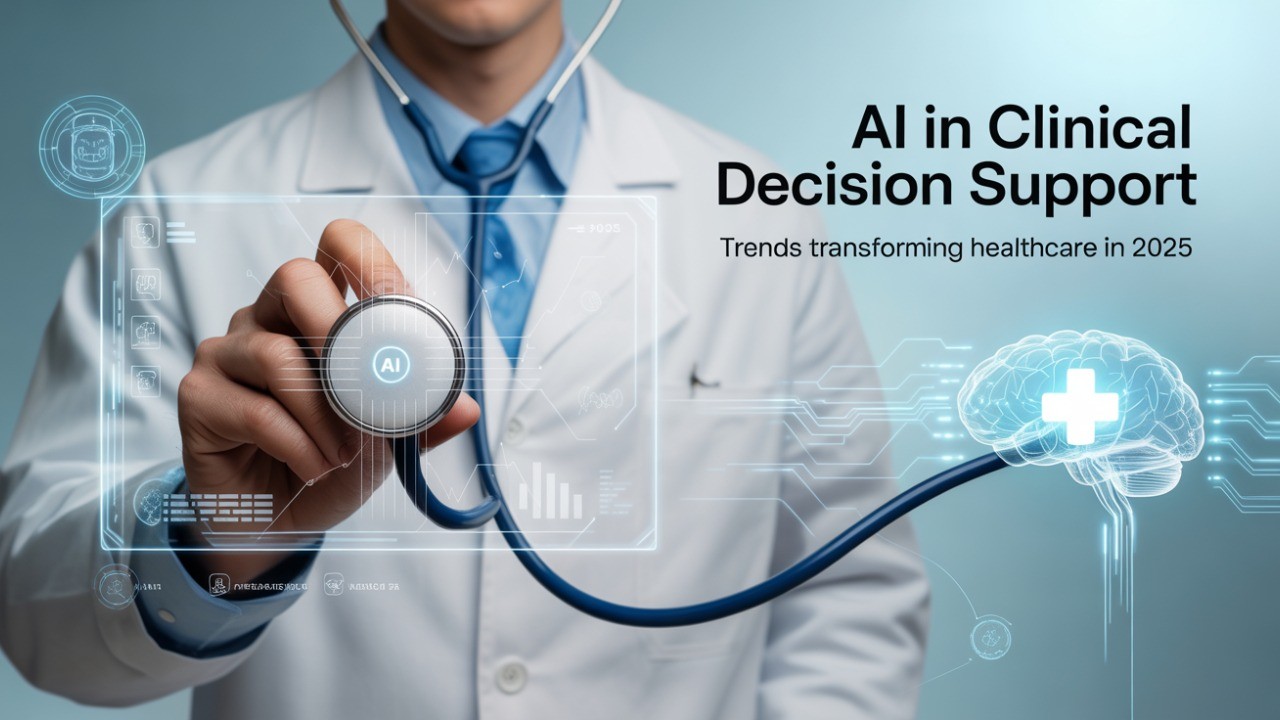
AI in Healthcare: Decision Support vs Diagnosis – Establishing Boundaries
As artificial intelligence becomes increasingly capable of analyzing medical data and identifying disease patterns, healthcare faces a critical question: where should the line be drawn between AI providing decision support to physicians and AI making diagnostic determinations independently? This distinction carries profound implications for patient safety, professional responsibility, and the future of medical practice.
The Fundamental Distinction
Decision support systems provide physicians with information and recommendations while keeping final diagnostic authority in human hands. Diagnostic AI makes independent determinations about patient conditions, potentially without physician review.
This difference matters tremendously. Decision support augments human expertise, while diagnostic AI could replace aspects of clinical judgment, altering the physician’s role and accountability structure.
Regulatory Perspectives and Frameworks
Healthcare regulators worldwide grapple with how to classify and oversee AI systems. The FDA distinguishes between clinical decision support exempt from device regulation and AI diagnostic tools requiring rigorous approval processes.
AI in healthcare decision support vs diagnosis establishes responsible boundaries that protect patients while enabling beneficial innovation. Clear regulatory frameworks help developers understand requirements and give providers confidence in AI tool safety.
The Question of Accountability
When AI provides decision support and physicians make final diagnostic calls, accountability remains clear. But when AI makes autonomous diagnoses, accountability becomes murky.
This affects medical malpractice liability, professional licensing, quality assurance, and patient safety and trust.
Clinical Validation Requirements
Decision support tools and diagnostic AI require different validation standards. Support systems can launch with moderate accuracy if they clearly present limitations. Diagnostic AI must meet higher accuracy thresholds.
Validation should demonstrate performance matching human specialists across diverse patient populations.
Preserving Clinical Judgment
Medicine remains as much art as science. Experienced clinicians integrate quantitative data with subjective patient presentation and clinical intuition. Decision support AI can enhance this process without replacing human judgment.
Autonomous diagnostic AI risks deskilling physicians who defer to algorithms without developing diagnostic reasoning capabilities. Maintaining clinical judgment requires preserving physician authority over final decisions.
The Role of Human Oversight
Digital health regulations around the world increasingly require human oversight for AI systems making consequential healthcare determinations. This approach ensures AI recommendations receive expert review before affecting patient care.
Even highly accurate AI systems occasionally make errors that human experts would recognize. Mandatory human review catches these failures before they harm patients.
Patient Transparency and Consent
Patients deserve to know when AI influences their care. Transparent disclosure allows informed consent about AI involvement in healthcare.
Some patients may prefer human-only diagnosis, while others embrace AI assistance. Respecting preferences requires thoughtful policies around disclosure and choice.
Building Responsible AI Systems
Responsible AI development recognizes appropriate boundaries between support and diagnosis. Developers should design systems that enhance rather than replace physician judgment.
The best AI tools make physicians better at diagnosis.
The Path Forward
Healthcare AI’s future involves sophisticated decision support that enhances clinical capabilities while preserving physician authority over diagnostic determinations. This approach maximizes AI benefits while maintaining accountability and the human elements of medical care.