 Nikhil Solanki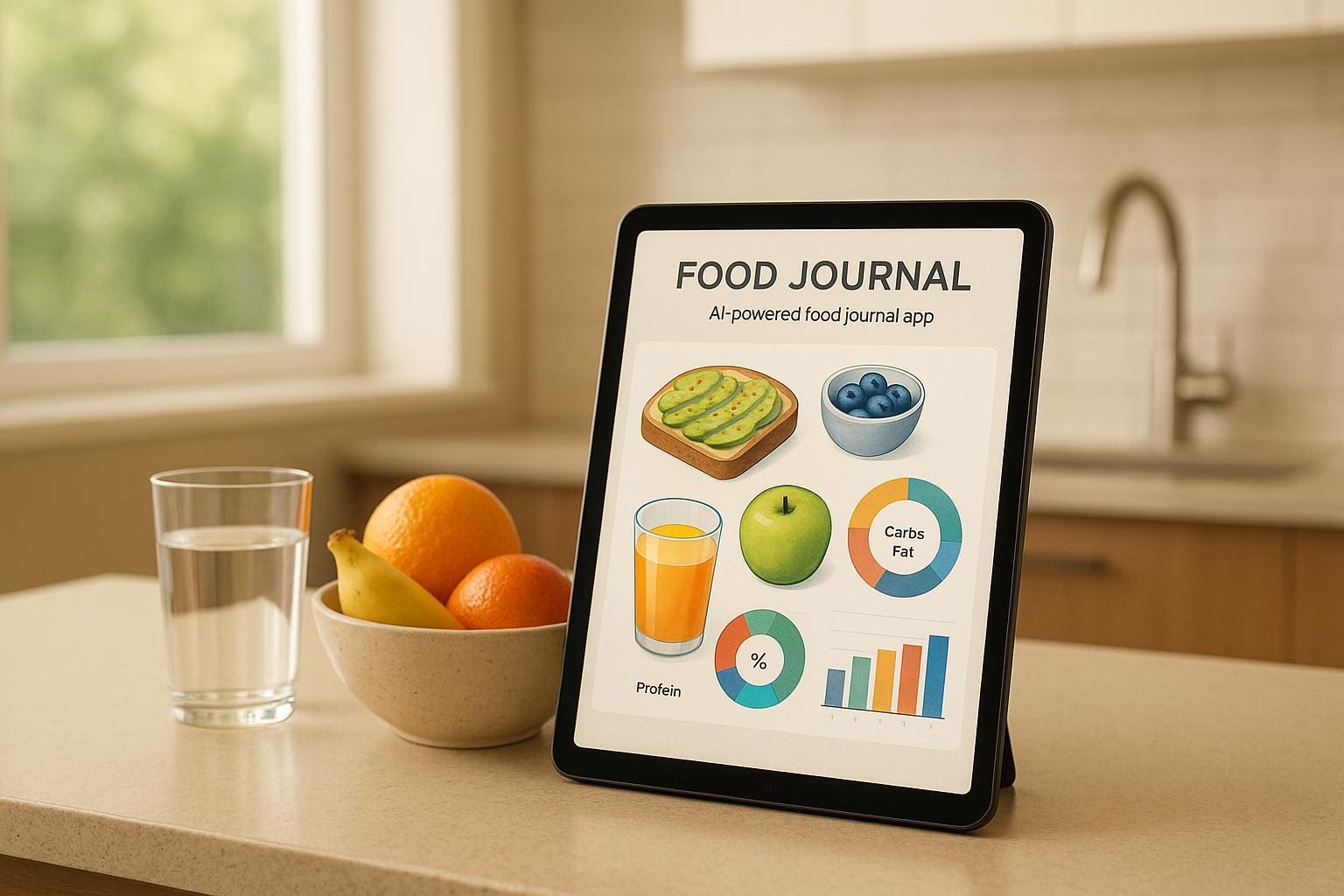
Nutrition AI: How Smart Technology is Revolutionizing Dietary Health
Nutrition has always been fundamental to health, yet tracking what we eat and understanding its impact on our bodies has remained frustratingly imprecise. Artificial intelligence is transforming this landscape by making nutrition tracking effortless, analysis sophisticated, and dietary recommendations genuinely personalized to individual metabolic responses and health goals.
Beyond Calorie Counting
Traditional nutrition tracking focused on simple calorie mathematics. AI-powered nutrition platforms recognize that human metabolism is far more complex. Different people respond differently to identical foods based on genetics, gut microbiome composition, stress levels, sleep quality, and activity patterns.
Machine learning algorithms analyze how specific foods affect your blood sugar, energy levels, and overall wellbeing. This personalized approach reveals that the “healthy diet” isn’t universal—what optimizes health for one person might be suboptimal for another.
Real-Time Nutritional Intelligence
Modern AI nutrition tools use computer vision to identify foods from photos, automatically logging meals with impressive accuracy. Users simply photograph their plate, and the AI recognizes ingredients, estimates quantities, and calculates comprehensive nutritional profiles.
This seamless tracking removes the friction that causes most people to abandon traditional food diaries, making consistent nutrition monitoring sustainable for long-term health management.
Connecting Diet to Health Outcomes
Nutrition and lifestyle form the foundation for preventing chronic diseases and optimizing wellbeing. AI systems connect dietary patterns to measurable health outcomes by integrating nutrition data with health metrics from wearables and medical tests.
When your glucose monitor shows blood sugar spikes, AI correlates these with specific meal components, revealing personal triggers that generic dietary advice might miss.
Predictive Nutrition Planning
AI doesn’t just track past meals—it predicts future nutritional needs based on your schedule, activity plans, and health goals. Planning a high-intensity workout? The system suggests meals that optimize performance and recovery. Struggling with afternoon energy crashes? AI analyzes patterns and recommends dietary adjustments.
This predictive capability transforms nutrition from reactive tracking to proactive planning, helping people make better food choices before problems arise.
Population-Level Insights for Individual Benefit
Population health intelligence leverages massive datasets to identify nutritional patterns that promote health or contribute to disease. AI systems learn from millions of dietary records, discovering connections between eating patterns and health outcomes.
These insights then personalize to individual contexts, offering recommendations grounded in broad evidence but tailored to personal circumstances and metabolic profiles.
Addressing Nutritional Gaps
Many people consume too much of certain nutrients while remaining deficient in others. AI nutrition tracking identifies these imbalances by analyzing dietary patterns over time, flagging potential deficiencies and highlighting problematic excesses.
Making Healthy Eating Accessible
AI democratizes nutritional expertise previously available only through expensive dietitians. AI-powered nutrition tools provide quality guidance to anyone with a smartphone.
The future of nutrition lies in intelligent systems that understand your unique biology and help you make food choices that genuinely serve your health goals.